











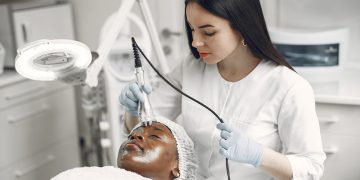

Combination peels have become one of the most advanced and customizable tools in aesthetic dermatology for those seeking smoother texture, brighter tone, and visibly younger-looking skin. Unlike single-acid peels, combination peels strategically blend multiple exfoliating agents with different molecular weights and mechanisms, allowing deeper penetration, broader benefits, and more controlled outcomes. As a result, they can target fine lines, pigmentation, dullness, acne, and mild scarring all at once.
But with so many peel types available—glycolic blends, TCA mixes, AHA/BHA pairings—it can be difficult to understand which formula works best for anti-aging goals. This article provides a clear, in-depth look at the different types of combination peels, the concerns they address, risks and downtime, how often to repeat them, and the essential post-care that ensures safe and effective results.
What Types of Chemical Peels Are Used in Combination Treatments?
Combination peels pair acids that complement each other in strength, molecule size, and penetration depth. This makes the treatment more controlled but also more effective than single-acid options.
1. AHA + BHA Peels (Glycolic + Salicylic)
A common beginner-friendly combination.
Glycolic acid (AHA)
- Small molecule, penetrates well
- Boosts collagen
- Smooths fine lines
Salicylic acid (BHA)
- Oil-soluble, cleans pores
- Reduces inflammation
Best for:
- Early signs of aging
- Texture roughness
- Mild pigmentation
- Acne-prone aging skin
2. Glycolic + Lactic Peels
Both AHAs, but with complementary benefits.
Glycolic acid: deep penetration
Lactic acid: more hydrating, gentle
Best for:
- Sensitive aging skin
- Dullness
- Mild wrinkles
- Dry or dehydrated skin
3. TCA Combination Peels (TCA + AHA/BHA/Retinoid)
Trichloroacetic acid is a medium-depth peeling agent often buffered with other acids or retinoids.
Common mixes include:
- TCA + salicylic
- TCA + lactic
- TCA + retinoic acid (yellow peel)
Best for:
- Moderate wrinkles
- Sun damage
- Pigmentation
- Loss of firmness
4. Jessner’s Peel
A classic multi-acid blend containing:
- Lactic acid
- Salicylic acid
- Resorcinol
It can also be layered with TCA for a stronger anti-aging effect.
Best for:
- Deep pigmentation
- Textural irregularities
- More stubborn sun damage
- Thickened, resilient skin types
5. Retinol or Retinoic Acid Layered Peels
Retinoids promote rapid cellular turnover and amplify collagen stimulation. They are often layered after an AHA or Jessner peel to increase penetration.
Best for:
- Fine lines around eyes and mouth
- Uneven tone
- Brightening dull skin
What Targeted Anti-Aging Benefits Do Combination Peels Offer?
Different acids target different layers and skin concerns, making combination peels powerful multi-action treatments.
1. Reduction of Fine Lines and Wrinkles
Acids such as glycolic and TCA stimulate fibroblasts, which:
- thicken the dermis
- increase collagen production
- smooth surface lines
Fine perioral and periocular lines respond particularly well.
2. Brightening of Pigmentation and Sun Damage
Peels reduce melanin by:
- accelerating exfoliation
- interrupting pigment production
- removing damaged superficial cells
Lactic, glycolic, TCA, and Jessner blends are especially effective against:
- sunspots
- uneven tone
- melasma (with ongoing treatment)
3. Improved Skin Texture and Smoothness
Combination peels help resurface:
- rough patches
- shallow acne scars
- enlarged pores
- thickened or leathery skin
Jessner + TCA is commonly used for more visible resurfacing.
4. Boosted Radiance and Hydration
Lactic acid and mandelic acid promote moisture retention while exfoliating gently.
5. Clarification for Acne-Prone Aging Skin
Many adults struggle with both aging and breakouts. Using AHA + BHA blends helps by:
- clearing pores
- reducing inflammation
- preventing pigmented acne marks
- softening fine lines
6. Improving Skin Firmness
Medium-depth and retinoid-enhanced peels can stimulate deeper dermal remodeling, improving:
- elasticity
- firmness
- overall tightness
What Risks and Downtime Should You Expect from Combination Peels?
The depth of the peel determines the intensity of side effects.
1. Light Combination Peels (AHA + BHA, Glycolic + Lactic)
Downtime: 0–2 days
Side effects:
- mild redness
- light flaking
- slight tightness
Suitable for most skin types.
2. Medium-Depth Combination Peels (Jessner + TCA, TCA blends)
Downtime: 5–10 days
Side effects:
- swelling
- significant peeling
- brownish “frost” or crusting
- sensitivity to sun and heat
Not ideal for very sensitive or reactive skin types.
3. Higher-Risk Considerations
All peels carry possibilities such as:
- post-inflammatory hyperpigmentation (PIH)
- prolonged redness
- uneven peeling
- infection if skin barrier is compromised
- allergic reaction (especially to resorcinol)
4. Contraindications
Avoid or postpone chemical peels if you:
- have active eczema or dermatitis
- are using isotretinoin (within the last 6 months)
- have open wounds
- are pregnant, depending on acid type
- have recently tanned or use tanning beds
- have very dark skin without professional supervision (risk of PIH)
How Frequently Should Combination Peels Be Performed?
The best schedule varies by peel strength, skin concern, and tolerance.
1. Light Combination Peels
Ideal frequency: every 2–4 weeks
Used for maintenance or mild anti-aging improvements.
2. Medium-Depth Peels
Ideal frequency: every 3–6 months
Required for more visible textural rejuvenation or sun damage repair.
3. Layered or Retinoid-Enhanced Peels
Ideal frequency: every 6–8 weeks
Promotes steady collagen stimulation without overwhelming the skin.
4. Treatment Plans for Anti-Aging
A typical anti-aging program might involve:
- 3–6 light peels + 1 medium peel yearly
- or: alternating AHA/BHA peels with retinoid peels
- or: quarterly Jessner peels for pigmentation management
Consistency is key for long-term benefits.
What Post-Care Is Essential for Healing and Maintaining Results?
Proper aftercare can protect your skin barrier, reduce complications, and preserve results.
1. Strict Sun Protection
The most important step.
Use:
- SPF 50
- broad-spectrum filters
- physical sunscreens if skin is sensitive
Avoid direct sun for 1–2 weeks.
2. Gentle Cleansing and Hydration
Use:
- fragrance-free cleansers
- ceramide moisturizers
- hyaluronic acid serums
Avoid:
- scrubs
- retinoids
- acids
- exfoliating tools
for at least a week (or longer for medium peels).
3. Avoid Picking or Peeling Skin
Let flakes fall off naturally to avoid:
- scarring
- hyperpigmentation
- infection
4. Cool Compresses for Comfort
Helps relieve redness and tightness after stronger combinations.
5. Resume Active Ingredients Gradually
Retinoids and acids should be introduced slowly after healing—usually 7–14 days post-peel.
6. Maintain Results With a Good Routine
Use:
- antioxidants (vitamin C)
- retinoids (after healing)
- gentle exfoliants (once per week)
This supports long-lasting glow and firmness.
Conclusion
Combination chemical peels represent one of the most effective non-invasive anti-aging treatments available today. By pairing acids with complementary actions, these peels resurface texture, brighten tone, smooth fine lines, fight pigmentation, and stimulate collagen for long-term improvements.
Whether you opt for a gentle AHA/BHA blend or a more intensive Jessner + TCA peel, your results depend on:
- proper peel selection
- realistic goals
- a trained professional
- diligent post-care
When used thoughtfully and consistently, combination peels can be a game-changing component of a comprehensive anti-aging strategy.