

























Cosmetic ear reshaping is traditionally associated with otoplasty—a surgical procedure that adjusts ear size, position, or projection. But in recent years, demand for non-surgical alternatives has grown dramatically. Adults and teens seeking subtle improvements, symmetry correction, or reduced ear prominence are increasingly turning to minimally invasive and non-invasive approaches that involve no incisions, far less downtime, and more natural-looking refinement.
Although non-surgical ear reshaping cannot fully replicate the dramatic structural changes possible with surgery, it offers meaningful aesthetic benefits for suitable candidates. This article explores the techniques, expectations, limitations, and long-term considerations of cosmetic ear reshaping without surgery.
What Non-Invasive Techniques Are Used for Ear Reshaping?
Non-surgical ear reshaping focuses on adjusting ear contour, angle, or prominence using injectable fillers, thread lifting, laser-assisted tightening, and taping methods. While results are more subtle than surgery, each technique serves a specific purpose.
1. Dermal Fillers for Structural Refinement
Injectable fillers—usually hyaluronic acid (HA) or calcium hydroxyapatite—can refine the shape of:
- the antihelix
- the earlobe
- the helix rim
- hollows or asymmetries
Fillers add structure and definition, enhancing symmetry or restoring volume lost through aging or trauma.
Common uses include:
- reshaping collapsed or folded cartilage areas
- smoothing indentations
- plumping deflated earlobes caused by heavy earrings
- correcting slight asymmetry
2. Thread Lifting for Minor Ear Position Adjustment
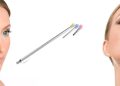
PDO or PLLA threads can gently pull the ear closer to the head or lift drooping earlobes.
Threads are inserted using fine needles and provide:
- subtle repositioning
- improved ear contour
- mild lifting or tightening
- collagen stimulation over time
They are not strong enough to recreate a full otoplasty result but can provide noticeable refinement.
3. Laser or Radiofrequency Skin Tightening
For ears with loose or sagging skin—often in older adults—energy-based devices stimulate collagen contraction.
They help:
- tighten earlobe skin
- reduce droopiness
- enhance earlobe firmness
This method is sometimes combined with fillers for optimal rejuvenation.
4. Non-Surgical Ear Taping for Adolescents
In younger patients, typically infants or young children, long-term ear shaping can be achieved through structured taping or splinting.
Although less effective in adults, ear taping:
- helps mold cartilage during early development
- offers non-invasive correction for prominent ears
- is most effective during the first few months of life
What Are the Procedure Steps for Non-Surgical Ear Reshaping?
The exact steps depend on the technique, but most non-surgical ear procedures follow a similar sequence designed to ensure safety and precise shaping.
1. Consultation and Assessment
A specialist evaluates:
- ear symmetry and projection
- cartilage flexibility
- skin thickness
- aesthetic goals
- whether non-surgical options can realistically meet expectations
Photos may be taken for planning.
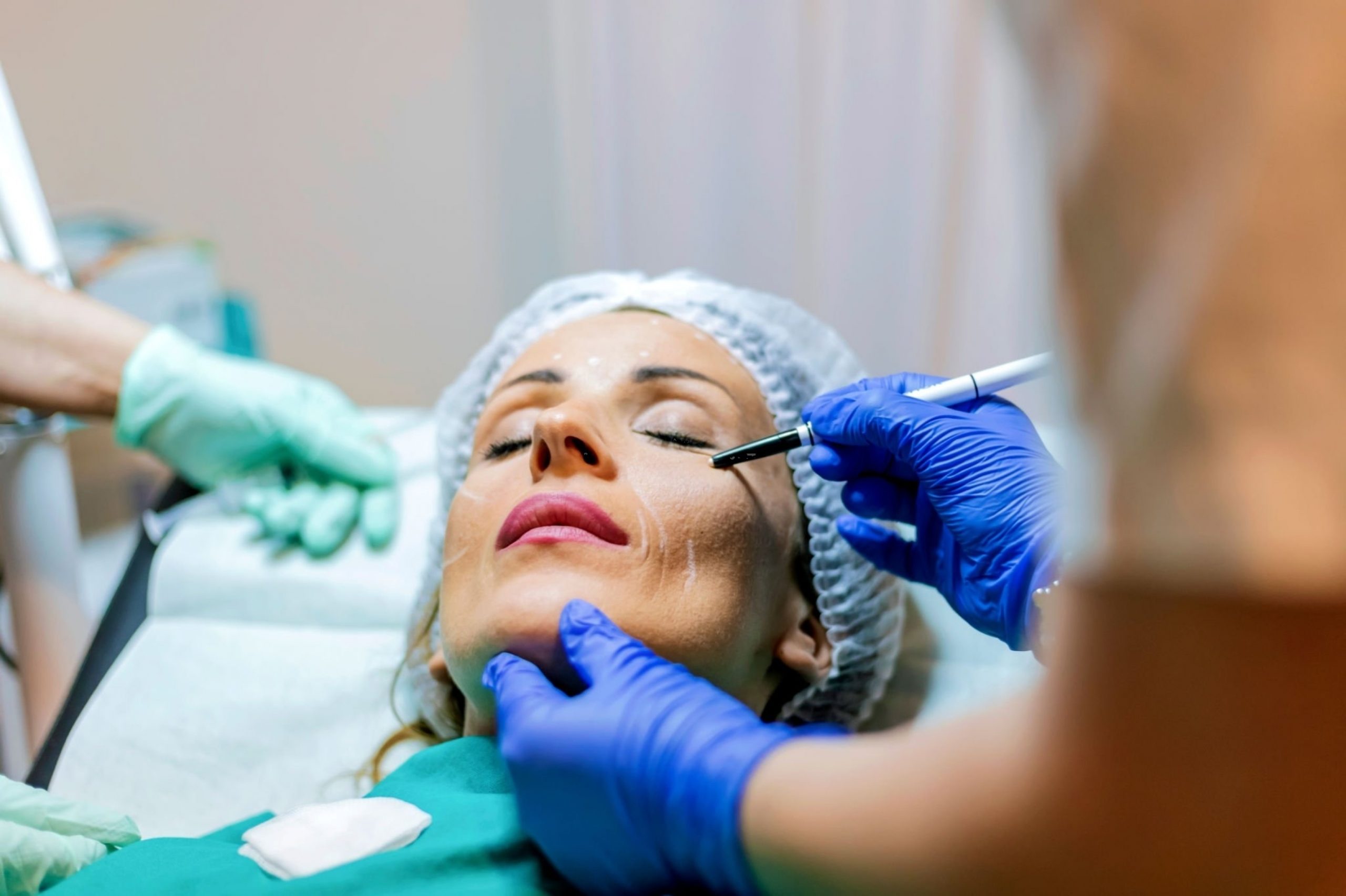
2. Marking the Treatment Area
The practitioner identifies key points for:
- filler placement
- thread insertion
- tightening device application
Proper marking ensures balanced results.
3. Application of Topical or Local Anesthesia
Local numbing reduces discomfort. Non-surgical approaches typically involve minimal pain.
4. Injection or Thread Placement
For fillers:
Using a fine needle or microcannula, the practitioner deposits filler in precise layers to reshape cartilage contours or restore volume.
For threads:
Thin barbed threads are inserted under the skin, providing immediate subtle lifting and long-term collagen production.
For tightening devices:
Laser or RF energy is applied to target areas to stimulate collagen.
5. Shaping and Symmetry Adjustment
The practitioner molds or adjusts treated areas:
- smoothing filler
- repositioning threads
- contouring ear shape manually
6. Aftercare Discussion
Patients receive instructions on:
- avoiding pressure on ears
- sleeping positions
- preventing trauma
- monitoring for swelling
What Are the Risks and Limitations of Non-Surgical Ear Reshaping?
Although non-invasive techniques have fewer complications than surgery, they still involve risks and clear limitations.
1. Limited Structural Change
Non-surgical treatments cannot fix major ear deformities such as:
- extreme prominence
- congenital malformations
- severe asymmetry
- large ears requiring reduction
Surgery remains the only solution for these cases.
2. Temporary Results
Fillers and threads are not permanent. Longevity depends on:
- product type
- metabolism
- movement
- lifestyle
Expect approximate durations:
- HA fillers: 6–12 months
- CaHA fillers: 12–18 months
- PDO threads: 6 months
- PLLA threads: 12–24 months
3. Potential Complications
Common but mild issues:
- swelling
- bruising
- temporary discomfort
- asymmetrical results
Less common complications:
- thread extrusion
- infection
- filler nodules
- skin irregularities
4. Dependence on Practitioner Skill
Ear anatomy is delicate and complex. Poor technique can lead to:
- uneven ear folds
- unnatural stiffness
- contour irregularities
- overcorrection
5. Not Suitable for Cartilage Reshaping
Fillers and threads only adjust soft tissue, not underlying cartilage rigidity. Significant reshaping requires surgical intervention.
What Results Can Patients Reasonably Expect?
Realistic expectations are key to patient satisfaction. Non-surgical ear reshaping provides refined, subtle improvements, not dramatic transformations.
1. Improved Symmetry
Filler adjustments offer more balanced ear contours and ear-to-head angle alignment.
2. Enhanced Ear Definition
Fine sculpting of helix and antihelix lines creates a more aesthetically pleasing shape.
3. Earlobe Rejuvenation
Fillers and tightening treatments help:
- plump thin lobes
- reduce wrinkles
- improve firmness
This is especially beneficial for aging patients or those with stretched piercings.
4. Reduced Ear Prominence
Threads can gently pull the ears closer to the head, though results remain mild compared to otoplasty.
5. Natural-Looking Enhancements
These treatments avoid the “operated” look because they work within existing structures.
6. Minimal Recovery Time
Most patients return to normal activities immediately, making it ideal for:
- busy professionals
- adults avoiding surgery
- those wanting discreet, subtle enhancements
What Maintenance Is Needed After Non-Surgical Ear Reshaping?
Because the results are temporary, maintenance ensures lasting aesthetic benefits.
1. Regular Touch-Up Sessions
Frequency depends on the method:
- Fillers: every 6–12 months
- Threads: every 12–18 months
- Laser tightening: every 6–12 months
2. Avoiding Ear Trauma
Patients should avoid:
- pulling earrings
- wearing heavy earrings
- excessive pressure on ears
- rough sleeping habits
3. Skin Health Maintenance
Healthy skin supports better elasticity and longevity. Recommended:
- sunscreen
- hydration
- collagen-boosting skincare
4. Follow-Up Appointments
Scheduled reviews allow practitioners to:
- assess symmetry
- refine results
- adjust treatment plans
Conclusion
Cosmetic ear reshaping without surgery is an exciting development in aesthetic enhancement. While it cannot replace otoplasty for major structural changes, it offers a minimally invasive alternative for individuals seeking subtle refinements, symmetry correction, and rejuvenated ear contours.
Fillers, threads, and tightening devices provide effective solutions with minimal downtime, making them ideal for patients who prioritize natural results and convenience. With proper expectations and skilled practitioners, non-surgical ear reshaping can significantly improve facial balance and overall appearance.