























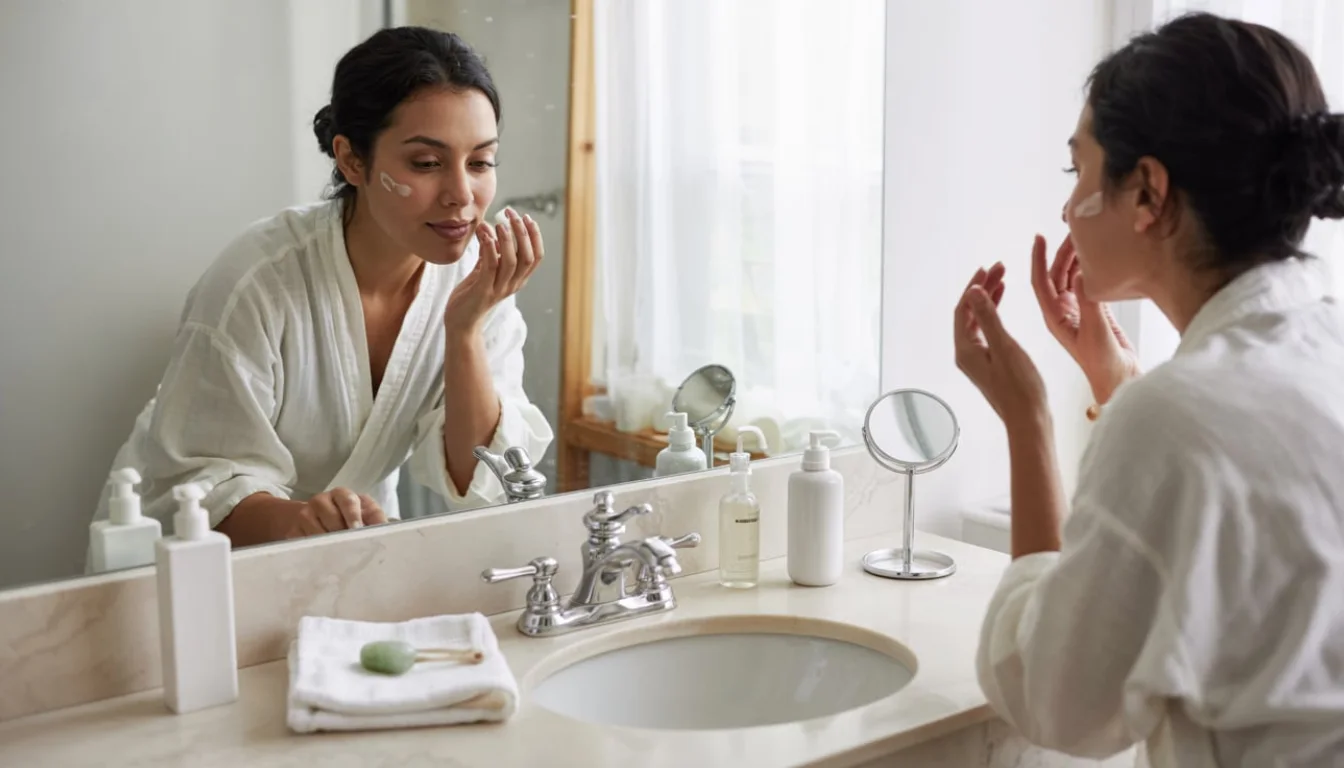
In an age of overflowing skincare products, the idea of a minimalist routine is increasingly appealing. Minimalist skincare focuses on simplicity, efficiency, and effectiveness. By prioritizing essential steps, using multi-functional products, and adding targeted treatments only when necessary, minimalists can achieve healthy, radiant skin without cluttering their bathroom shelves. Understanding how to structure a minimalist routine, select multi-use products, incorporate occasional add-ons, and avoid common mistakes is key to maintaining skin health with minimal effort.
1. How Can You Build a 3-Step Skincare Routine?
Minimalist routines often revolve around three core steps: cleanse, treat, and protect/moisturize. Each step serves a vital purpose, ensuring that the skin remains clean, hydrated, and protected.
Step 1: Cleanser
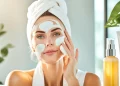
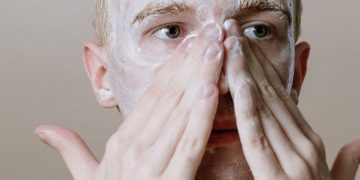
Cleansing is the foundation of any skincare routine. It removes dirt, excess oil, makeup, and environmental pollutants without stripping the skin’s natural oils.
- Tip: Choose a gentle, pH-balanced cleanser suitable for your skin type.
- Minimalist Approach: One cleanser for morning and evening is often sufficient, unless you need makeup removal in the evening (in which case double cleansing can be done with a micellar water or oil first).
Step 2: Treatment/Serum
This step addresses specific skin concerns, such as hydration, brightening, or anti-aging. Minimalists should focus on versatile products:
- Hydrating serum: Hyaluronic acid or glycerin-based serum for moisture retention.
- Antioxidant serum: Vitamin C or niacinamide for brightening and protection against environmental damage.
- Anti-aging serum: Retinol or peptides for collagen support.
- Tip: Select one multi-tasking serum to cover multiple concerns rather than layering several.
Step 3: Moisturizer & Sun Protection
The final step seals in hydration and protects the skin barrier.
- Moisturizer: Choose a formulation that suits your skin type; lightweight for oily skin, richer for dry skin.
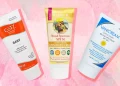
- Sunscreen: Broad-spectrum SPF 30+ is non-negotiable during the day.
- Tip: Consider moisturizers with built-in SPF to combine steps in the morning.
By focusing on these three essential steps, minimalists can maintain healthy, functional skin without overcomplicating their routines.
2. How to Choose Multi-Function Products
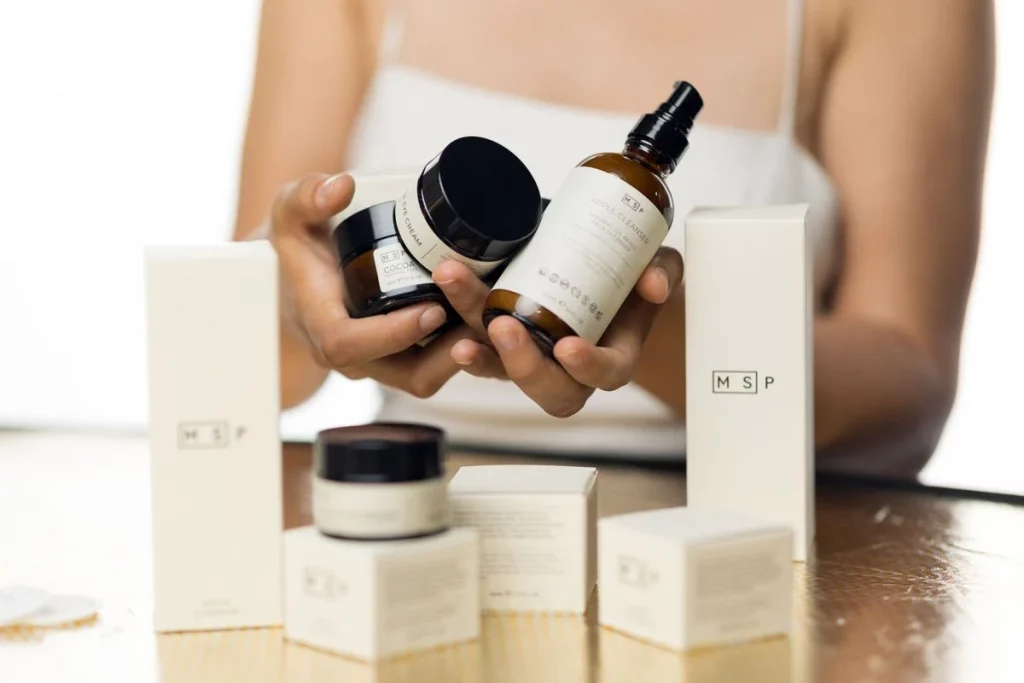
Minimalist skincare thrives on products that perform more than one function, reducing both cost and routine complexity.
Examples of Multi-Functional Products:
- Moisturizer + SPF: Provides hydration and sun protection in a single step.
- Tinted moisturizer or BB cream: Combines light coverage, hydration, and SPF.
- Serum with multiple actives: For example, a vitamin C + hyaluronic acid serum offers antioxidant protection and hydration.
- Cleansers with exfoliating properties: Gentle exfoliating cleansers can replace standalone exfoliation products when used a few times per week.
Benefits of Multi-Function Products:
- Reduces the number of bottles and products.
- Simplifies travel and daily application.
- Minimizes the risk of product layering mistakes.
Tips for Selecting Multi-Function Products:
- Ensure each function is effective—don’t sacrifice quality for convenience.
- Start with your most critical skin concern and select a product that addresses it while offering additional benefits.
- Avoid products with overly complex ingredient lists that could cause irritation.
3. What Are the Best Weekly Add-Ons for Minimalists?
Even in a minimalist routine, occasional add-ons can enhance skin health without requiring daily use.
Examples of Weekly Add-Ons:
- Exfoliation: Use gentle AHAs, BHAs, or a mild scrub 1–2 times per week to remove dead skin cells and improve texture.
- Hydrating or Repair Masks: Sheet masks, overnight sleeping masks, or balm-type masks replenish moisture and support barrier health.
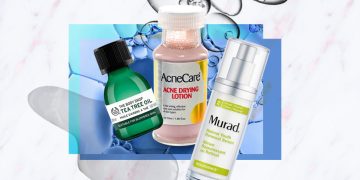
- Treatment Boosters: Spot treatments for acne or dark spots can be applied only as needed.
How to Integrate Add-Ons:
- Schedule them based on skin needs rather than daily usage.
- Keep them separate from core daily products to avoid over-complication.
- Rotate one type of add-on at a time to monitor skin response.
4. Common Mistakes Minimalists Should Avoid
Minimalist skincare doesn’t mean cutting corners—it requires smart choices. Here are frequent pitfalls:
● Skipping Sun Protection
- Sunscreen is essential; even minimal routines should never omit this step.
- A lack of protection undermines all other skincare efforts.
● Overloading Multi-Function Products
- More functions don’t always mean better results.
- Avoid products that combine too many potent actives which may increase irritation risk.
● Ignoring Skin Type Needs
- Minimalist routines still need to be tailored.
- One-size-fits-all products may not address dryness, sensitivity, or acne-prone skin effectively.
● Neglecting Hydration or Barrier Health
- Minimalist routines often focus on active treatments, sometimes neglecting moisturization.
- Adequate hydration maintains barrier integrity and overall skin resilience.
● Being Impatient
- Minimal routines can be slower to show results compared to complex layering of actives.
- Consistency is key; patience ensures skin adapts and responds effectively.
5. Sample Minimalist Skincare Routines
● Morning Routine (3 Steps)
- Gentle cleanser
- Antioxidant serum (Vitamin C + hyaluronic acid)
- Moisturizer with SPF or standalone moisturizer + sunscreen
● Evening Routine (3 Steps)
- Gentle cleanser (or double cleanse if wearing makeup)
- Hydrating or retinol serum
- Moisturizer for barrier support
● Weekly Add-Ons
- 1–2x weekly exfoliation (AHA/BHA)
- 1x hydrating mask for dry or stressed skin
- Spot treatments as needed
This structure ensures all essential skin functions are maintained while reducing unnecessary steps.
6. Conclusion
Minimalist skincare routines are about efficiency without sacrificing results. By focusing on the three essential steps of cleanse, treat, and protect, incorporating multi-functional products, selectively adding weekly treatments, and avoiding common mistakes, minimalists can achieve healthy, glowing skin with minimal effort. The key is consistency, simplicity, and thoughtful product selection. Minimalist doesn’t mean neglect—it means smart, intentional care that supports long-term skin health.