




















The eyes may be the window to the soul, but the brows are their frame. Over time, the relentless pull of gravity, combined with the natural loss of collagen and elastin, can cause the brows to descend, leading to a heavy, tired, or even angry appearance. This subtle change can significantly age the face. For decades, the only solution was a surgical brow lift, a procedure with significant cost, downtime, and permanent results. Today, the aesthetic landscape has been transformed by non-surgical alternatives that offer noticeable rejuvenation with minimal interruption to daily life. Two of the most prominent techniques are Botox (and other neuromodulators) and PDO thread lifts. But how do you choose between them? Is one inherently better? This guide will demystify the mechanisms behind these two powerful treatments, identify the ideal candidate for each, compare their longevity and risks, and explore how they can be combined for a result that is greater than the sum of its parts.
The Two Mechanisms of Lift: Botox vs. Threads
Understanding the fundamental difference in how these treatments work is the first step to making an informed choice.
1. Botox and Neuromodulators: The Art of Relaxation and Rebalance
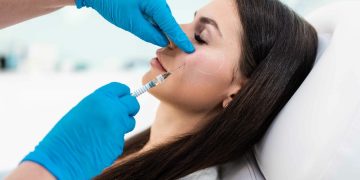
- Mechanism: Botox does not “lift” tissue in the traditional sense. Instead, it works by temporarily blocking the nerve signals to specific muscles. A drooping brow is often caused by the overpowering pull of the depressor muscles—specifically the procerus and corrugator supercilii muscles between the brows and the orbicularis oculi at the outer eye. When these muscles are relaxed with Botox, the opposing elevator muscles (the frontalis, or forehead muscle) are left unopposed. This creates a subtle but noticeable chemical brow lift as the frontalis gently pulls the brows upward, particularly at the outer tails.
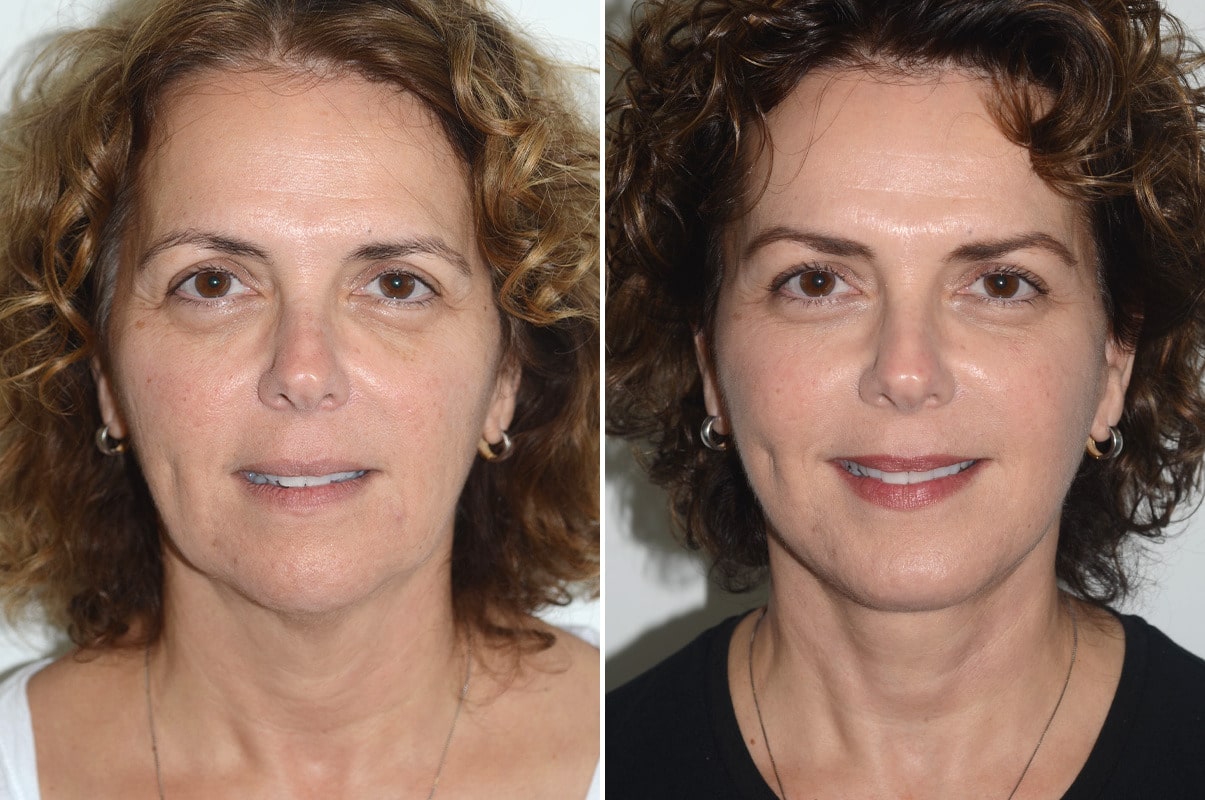
- The Result: The effect is a more open, alert, and less severe expression. It is a repositioning through muscle rebalancing, not a physical lift of the skin.
2. PDO Threads: The Mechanical Scaffold
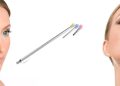
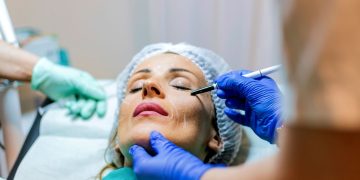
- Mechanism: PDO (Polydioxanone) threads offer a direct, physical solution. Using a fine needle or cannula, a skilled practitioner inserts barbed or cogged threads into the subcutaneous tissue of the forehead and brow area. These tiny barbs hook onto the soft tissue, and when the threads are pulled taut and secured, they provide an immediate mechanical lift to the brows.
- The Biostimulatory Bonus: Beyond the immediate lift, the PDO material acts as a scaffold, stimulating the body’s natural healing response. Over the following 3-6 months, the body produces new collagen around the threads, creating a supportive “net” of tissue that provides a secondary, longer-lasting lifting effect even after the threads themselves have dissolved (typically within 6-9 months).
Ideal Candidates: Matching the Treatment to the Concern
Not everyone is a candidate for both procedures. The right choice depends heavily on your anatomy and the primary issue you wish to address.
The Ideal Botox Brow Lift Candidate:
- Has mild to moderate brow heaviness, particularly at the outer corners.
- Exhibits strong “11” lines (glabellar lines) between the brows or horizontal forehead lines.
- Has good skin elasticity with minimal overall skin laxity on the forehead.
- Is looking for a subtle refresh and a more open eye appearance without a dramatic change.
The Ideal Thread Brow Lift Candidate:
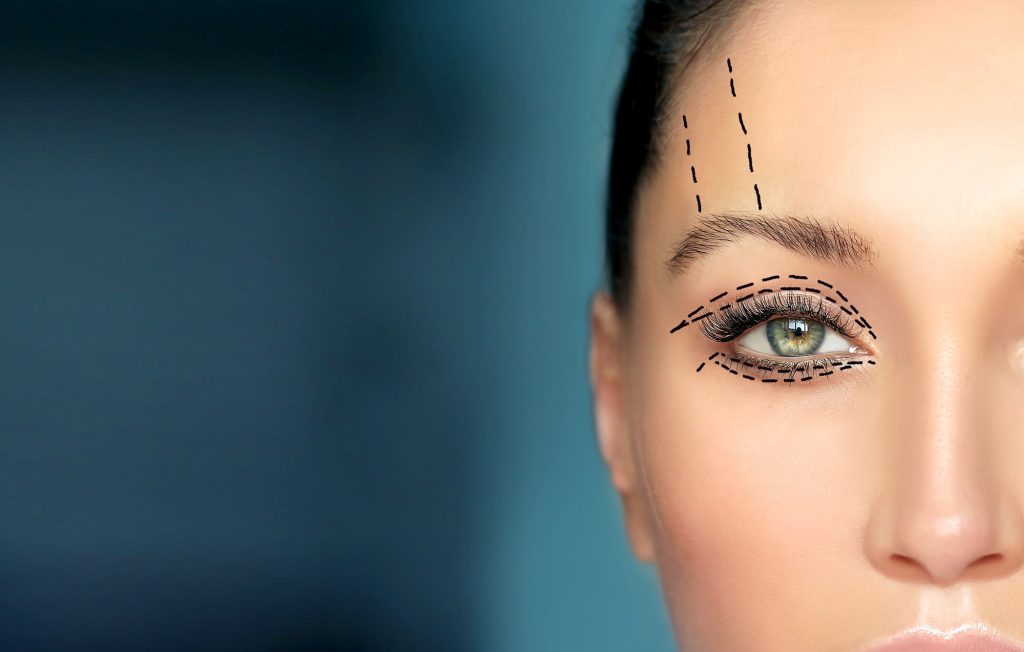
- Has moderate to significant brow ptosis (drooping) that is beyond the subtle correction of Botox.
- Has more pronounced skin laxity across the entire forehead.
- May have hooded eyelids caused by the brow descending onto the lid.
- Is seeking a more pronounced and immediate lifting effect and is willing to accept a slightly higher risk profile and cost.
Longevity: How Long Will the Lift Last?
This is a key differentiator between the two treatments and a major factor in the decision-making process.
- Botox Brow Lift:
- Duration: The effects of a neuromodulator are temporary, typically lasting 3-4 months.
- Maintenance: To maintain the lifted appearance, treatments must be repeated quarterly. With consistent treatment, some patients find the muscles learn to be less active, potentially extending the time between touch-ups.
- PDO Thread Brow Lift:
- Duration: The immediate mechanical lift lasts as long as the thread is intact, about 6-9 months. However, the collagen that is stimulated during this time continues to provide support.
- Long-Term Effect: The overall improvement in brow position and skin quality can last 12-18 months. Maintenance sessions are required annually or bi-annually to sustain the optimal result.
A Candid Look at the Risks and Realities
Both procedures are minimally invasive but carry their own set of potential complications.
Botox Risks:
- Temporary and Generally Mild: The most common risks include bruising at the injection site, headache, or mild eyelid ptosis (drooping) if the product migrates. This is usually temporary, lasting a few weeks.
- “Frozen” Look: An inexperienced injector can overtreat, leading to a lack of expressiveness or a “Spock brow” (an overly arched appearance).
PDO Thread Risks:
- More Pronounced Side Effects: Bruising, swelling, and tenderness are common and can last 1-2 weeks.
- Visible or Palpable Threads: In individuals with thin skin, threads may be faintly visible or felt, especially when making facial expressions.
- Asymmetry, Dimpling, or Thread Migration: The threads can shift, break, or cause skin dimpling if not placed correctly by an expert.
- Infection: As with any procedure that breaks the skin, there is a risk of infection.
The Synergistic Power of Combination Treatments
Often, the most elegant and natural-looking results are achieved by combining Botox and threads. This multimodal approach allows a practitioner to address the problem from multiple angles.
A Common Combination Protocol:
- Threads First (The Structure): PDO threads are placed to provide the primary mechanical lift, addressing the significant laxity and repositioning the brow to a more youthful height.
- Botox Second (The Fine-Tuning): Two weeks later, after the initial swelling from the threads has subsided, Botox is injected. This serves two crucial purposes:
- It relaxes the depressor muscles, ensuring they do not actively work against the lift provided by the threads.
- It smooths the dynamic wrinkles in the glabella and forehead, refining the result and preventing the patient from making expressions that could put undue strain on the threads during the initial healing phase.
This combination leverages the structural power of threads with the muscle-relaxing precision of Botox, creating a longer-lasting, more harmonious, and comprehensive rejuvenation of the upper face.
Conclusion: A Lifted Future, Without the Surgery
The non-surgical brow lift is no longer a mere fantasy but a scientifically-backed reality. Whether you choose the subtle rebalancing of Botox or the direct mechanical lift of PDO threads, you have powerful tools at your disposal to combat the signs of aging in the upper face. The decision is not about which is universally better, but about which is perfectly suited to your individual anatomy, degree of laxity, and aesthetic goals. For mild heaviness and dynamic wrinkles, Botox is an excellent starting point. For more significant descent and laxity, threads provide a more powerful solution. And for the ultimate in refined, long-lasting results, the strategic combination of both may be the key. The most critical factor for success, regardless of the path you choose, is the expertise of your practitioner. By selecting a board-certified and highly experienced professional, you can confidently embark on the journey to a more open, alert, and youthful gaze.