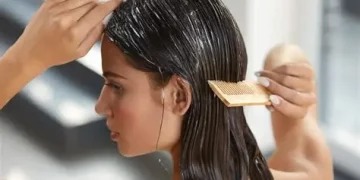

















Walk down the hair care aisle or scroll through beauty influencer content, and you’ll be bombarded with a clear message: “Sulfate-Free!” and “Silicone-Free!” are emblazoned across bottles like badges of honor. These ingredients have been cast as the primary antagonists in the narrative of modern hair care, blamed for everything from dryness and frizz to scalp irritation and dull, weighed-down locks. But is this widespread demonization justified, or have we fallen for a marketing ploy that oversimplifies a complex chemical story? The truth, as it often does, lies in the nuances. Understanding the actual function, benefits, and drawbacks of sulfates and silicones is the key to making empowered, effective choices for your unique hair. This article will cut through the hype to reveal the science behind these controversial ingredients, helping you decipher when they are beneficial tools and when it’s truly wise to avoid them, ultimately empowering you to match your products to your hair’s genuine needs.
Debunking the Myth: What Sulfates Actually Do
Sulfates are a class of surfactants (surface-active agents) that are the workhorse in most cleansing products, from shampoo to dish soap. The most common ones in hair care are Sodium Lauryl Sulfate (SLS) and Sodium Laureth Sulfate (SLES).
Their Primary Function: The Science of Cleansing
Sulfates are molecular janitors. One end of the molecule is hydrophilic (water-loving), and the other is lipophilic (oil-loving). When you lather up, the lipophilic end attaches to oil, sebum, dirt, and product buildup on your hair and scalp. The hydrophilic end then allows these impurities to be rinsed away with water. This is what creates the rich, copious lather we’ve come to associate with “getting clean.”
The Case Against Them: Why the Backlash?
The criticism of sulfates stems from their efficacy. Because they are such powerful cleansers, they can:
- Strip Natural Oils: They can remove too much of the scalp’s natural sebum, which for some hair types, can lead to dryness, a squeaky-clean feel that signals a lack of lubrication, and potential irritation for those with sensitive skin or conditions like eczema.
- Fade Color Faster: For those with color-treated hair, this intense cleansing action can prematurely strip away artificial dye molecules, causing vibrant colors to fade more quickly.
- Potential for Irritation: SLS, in particular, is a more potent surfactant and can be irritating to the eyes and scalp, especially with prolonged contact.
The Truth: Sulfates are not inherently “bad.” For individuals with oily scalps, significant product buildup, or who do not have color-treated hair, a sulfate-based shampoo can be an excellent, efficient cleanser. The problem arises when they are mismatched to the hair’s needs.

The Unfairly Maligned Hero: The Benefits of Silicone
If sulfates are the overzealous janitors, silicones are the meticulous interior designers. They are synthetic polymers that form a protective coating on the hair shaft.
Their Primary Function: The Science of Protection and Manageability
Silicones are occlusive agents. Their primary role is to seal the hair cuticle—the outer, scale-like layer of the hair. When the cuticle is smooth and flat, hair reflects more light (shine), experiences less friction (smoothness and reduced tangles), and is protected from external aggressors like humidity.
Common Types and Their Effects:
- Dimethicone: A heavier, film-forming silicone that provides excellent shine and detangling. It is not very water-soluble.
- Cyclomethicone: A volatile, lightweight silicone that evaporates with heat, providing temporary smoothness without heavy buildup.
- Amodimethicone: A “smart” silicone that is designed to target damaged areas of the hair shaft specifically, avoiding buildup on healthier sections.
The Case Against Them: The Buildup Argument
The primary accusation against silicones is that they cause buildup. Because some types are not easily removed by gentle, sulfate-free shampoos, they can accumulate over time. This buildup can:
- Weigh Hair Down: Especially for those with fine or thin hair, leading to a loss of volume.
- Create a Barrier: This can prevent moisture and beneficial ingredients from later products (like conditioners or treatments) from penetrating the hair shaft.
- Cause Dullness: Ironically, while initially providing shine, heavy buildup can eventually make hair look dull and lifeless.
The Truth: Silicones are incredibly effective at delivering instant, tangible benefits: unparalleled slip for detangling, intense shine, and formidable frizz control. They are a key ingredient in heat protectants and are brilliant for temporarily mending split ends and protecting hair from physical and environmental damage.
When to Avoid Them: A Situational Guide
The “one-size-fits-all” approach is where the sulfate-and-silicone-free movement fails. Here is a clear guide on when it is genuinely beneficial to avoid one or both.
When to Consider Going Sulfate-Free:
- You Have Color-Treated Hair: This is the most compelling reason. A gentle, sulfate-free cleanser will help preserve your color investment.
- You Have a Dry or Sensitive Scalp: If you experience itchiness, flakiness (not related to dandruff), or eczema, a milder surfactant can prevent further irritation and dryness.
- You Have Naturally Dry, Curly, or Coily Hair: These hair types naturally produce less sebum, and their delicate curl patterns are easily weighed down by oil. Stripping what little natural oil they have can lead to extreme dryness and brittleness.
- You Use Low-Poo or Co-Wash Methods: If you follow a curly girl method or other routines that rely on gentle cleansing, sulfates will counteract the entire process.
When to Consider Going Silicone-Free:
- You Have Fine, Thin, or Low-Porosity Hair: These hair types are most susceptible to being weighed down by silicone buildup, leading to flat, greasy-looking hair.
- You Want to Maximize Moisture Absorption: If your primary goal is to hydrate your hair with water-based products, avoiding a sealing barrier of silicone can be helpful.
- You Prefer a “Wash-and-Go” Routine with Minimal Product: If you don’t want to think about clarifying shampoos, avoiding heavy, non-water-soluble silicones simplifies your routine.
- You Follow the Curly Girl Method Strictly: The method prohibits certain silicones to ensure maximum moisture penetration and define curls without buildup.
Crucial Note: The Clarifying Wash
Even if you go silicone-free, everyone can benefit from an occasional clarifying wash with a sulfate shampoo (every 4-6 weeks) to remove hard water minerals, environmental pollutants, and natural oil buildup that gentle shampoos can’t tackle.
Matching Ingredients to Hair Needs: Your Personalized Formula
The most intelligent approach to hair care is ingredient literacy, not ingredient fear. Your hair type and goals should dictate your choices.
The Oily Scalp, Fine Hair Individual:
- Shampoo: A sulfate-based or sulfate-alternative shampoo that effectively cleanses the scalp is beneficial. Look for SLES rather than the harsher SLS.
- Conditioner/Stylers: Use lightweight, water-soluble silicones like cyclomethicone or avoid them altogether. Heavy dimethicone will flatten your hair. Focus on volumizing products.
The Color-Treated, Dry, or Damaged Hair Individual:
- Shampoo: A definitive sulfate-free shampoo is ideal for preserving color and preventing further dryness.
- Conditioner/Stylers: This is where silicones shine (literally). Amodimethicone and dimethicone can protect the damaged cuticle, seal in moisture, provide incredible slip to prevent breakage, and impart a healthy gloss. Just remember to use a clarifying shampoo periodically.
The Curly or Coily Hair Individual:
- Shampoo: Almost always sulfate-free. The focus is on gentle cleansing and moisture retention.
- Conditioner/Stylers: This is a nuanced area. Many curlies thrive with water-soluble silicones that provide definition and frizz control without long-term buildup. Others prefer completely silicone-free regimens with heavy butters and oils. It requires experimentation to see what your curls respond to best.
The “I Just Want Healthy, Manageable Hair” Individual:
- Stop Fearing Ingredients: Understand that both sulfates and silicones are tools. A balanced routine might include a sulfate shampoo for a monthly deep clean and a silicone-containing serum for occasional heat styling or frizz control.
- Listen to Your Hair: Is it feeling coated and limp? You may need to clarify and scale back on heavy silicones. Is it constantly tangled and frizzy? A silicone serum might be the perfect solution. Your hair’s behavior is the best feedback loop.
Conclusion: Moving Beyond the Hype
The journey to healthy hair is not about blindly eliminating ingredients based on marketing trends. It is about becoming a savvy formulator of your own personal care regimen. Sulfates are powerful cleansers that are mismatched for delicate or color-treated hair but can be perfect for a thorough, deep clean. Silicones are unparalleled protectors and polishers that can lead to buildup if not managed correctly but can also be the key to smooth, shiny, tangle-free hair.
The real villain is not any single ingredient, but rather a lack of understanding. By demystifying the roles of sulfates and silicones, you can move from a place of fear to a place of empowerment. You can strategically select a sulfate shampoo for a reset wash, a silicone-free conditioner for daily moisture, and a silicone-rich serum for special occasions or humidity control. This nuanced, intelligent approach allows you to harness the benefits of modern chemistry while avoiding the pitfalls, crafting a hair care routine that is as unique and dynamic as you are. The truth is, with knowledge, you can make both sulfates and silicones work for you, not against you.