












Modern hair-coloring techniques have transformed dramatically over the past decade, shifting away from harsh lines and heavy upkeep toward softer, blended, sun-kissed looks. Among the most sought-after methods are balayage, foilayage, babylights, and traditional foils—each with its unique strengths, visual outcomes, and maintenance needs. But what actually makes these techniques different, and how do you know which one is right for your hair type, lifestyle, and color goals?
This comprehensive guide explores how modern highlight methods compare, how to care for them, which shades flatter different skin tones, and what you can do to prevent unnecessary damage during the coloring process.
What Are the Differences Between Balayage, Foilayage, and Other Modern Highlighting Techniques?
Modern highlighting is no longer limited to foils alone. Today’s colorist can customize light placement to create dimension, texture, and movement based on your haircut and face shape. Understanding the techniques helps you make an informed choice.
1. Balayage: Hand-Painted, Softly Blended Light
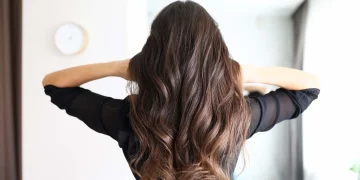
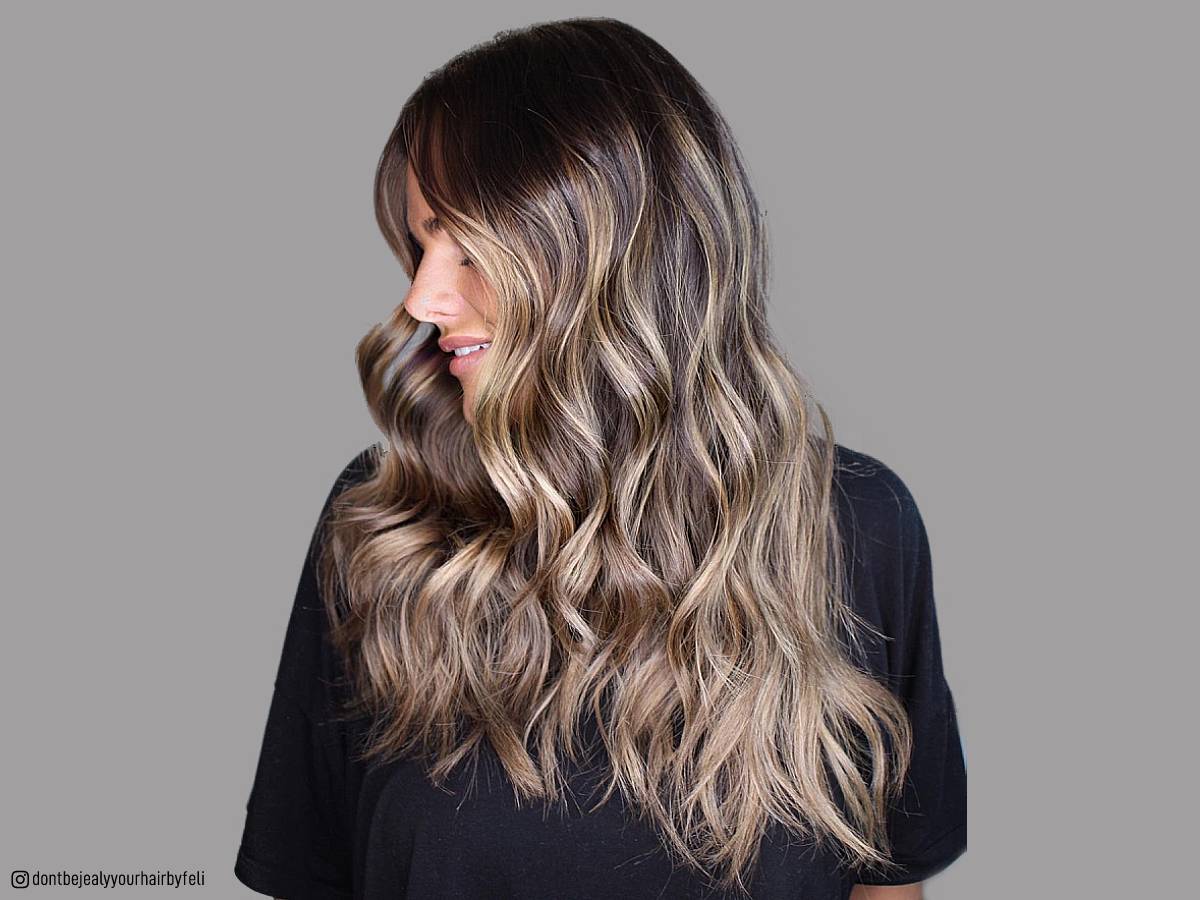
Balayage comes from the French word balayer, meaning “to sweep,” which describes how the colorist paints lightener directly onto the hair without foils.
Characteristics
- Soft, feathered transitions
- Diffused brightness from mid-lengths to ends
- Natural, lived-in look
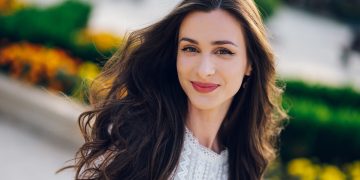
- Works extremely well on wavy and curly textures
Best For
- Clients who want effortless dimension
- Low-maintenance color
- Sun-kissed looks that grow out gracefully
Limitations
- Less lifting power than foils
- May not be ideal for going very blonde on dark hair
2. Foilayage: The Perfect Hybrid of Lightness + Blending
Foilayage uses the same painting technique as balayage but the painted sections are wrapped in foils to intensify lift.
Characteristics
- Brighter blonding than balayage
- Soft blend thanks to painted placement
- Suitable for darker hair wanting lighter results
Best For
- Clients who want maximum brightness without harsh lines
- Medium to dark bases seeking a blended blonde
Limitations
- Slightly higher maintenance than balayage
- Requires more time in the salon
3. Babylights: Ultra-Fine, Delicate Highlights
Babylights mimic the naturally soft highlights seen in children’s hair.
Characteristics
- Very thin, densely woven foils
- Subtle shimmer throughout the hair
- Creates a multi-tonal glow
Best For
- Fine hair needing soft dimension
- People who prefer a very natural result
4. Traditional Foil Highlights
Classic highlights involve weaving hair and wrapping it in foils for maximum lift.
Characteristics
- High contrast possible
- Consistent brightness from root to tip
- Strong definition between light and dark
Best For
- Clients wanting a bold blonde look
- Cooler platinum tones
- Dramatic contrasts or color correction
How Should You Maintain Modern Highlights for the Longest, Freshest Color?
Whether you choose balayage, foilayage, or foils, the longevity of your highlights depends highly on how you maintain them.
1. Root and Gloss Maintenance
- Balayage: touch-ups every 4–6 months
- Foilayage: every 3–4 months
- Foils: every 6–10 weeks
- Gloss/toner refresh: every 4–8 weeks to prevent brassiness
2. Shampoo + Conditioner Choices
Use:
- Sulfate-free shampoos
- Purple shampoo (blondes) every 1–2 weeks
- Moisture-rich conditioners
Avoid:
- Daily shampooing
- Clarifying products unless color is feeling heavy or oily
3. Hydration and Strengthening Masks
Highlighted hair needs both types of repair:
- Protein masks for breakage
- Moisture masks for elasticity and shine
Use once a week, alternating formulas.
4. Heat Styling Caution
Heat intensifies dryness and color fading.
- Use a heat protectant every single time
- Keep tools under 180°C/350°F
- Air-dry partially before blow-drying
Which Color Technique and Shades Suit Different Skin Tones and Hair Types?
Hair color should complement your natural undertones and haircut.
1. Warm Tonal Families
- Honey blonde
- Caramel
- Golden brunette
- Copper balayage
Best for:
- Warm or olive skin tones
- Thick or curly textures that benefit from radiant warmth
2. Cool Tonal Families
- Ash blonde
- Icy beige
- Cool espresso
- Smoky balayage
Best for:
- Cool or pink undertones
- Fine, straight hair for modern, sleek looks
3. Neutral Shades
- Beige blonde
- Mushroom brown
- Soft cocoa
Best for:
- Most undertones
- Clients wanting a soft, understated finish
4. Hair Type Considerations
Curly Hair
- Balayage is ideal for highlighting curl patterns
- Avoid high-contrast foils, which can look stripy
Fine Hair
- Babylights give fullness without harsh lines
Thick, Dark Hair
- Foilayage enables more lift and brightness
How Can You Prevent Damage While Refreshing or Lightening Your Hair?
Lightening always stresses the cuticle, but proper technique and care minimize long-term effects.
1. Use High-Quality Lighteners with Bond Builders
Products containing bond-protecting molecules (like plex-type additives) reduce breakage.
2. Avoid Overlapping Lightener
Colorists should avoid re-lightening the same previously bleached sections.
3. Schedule Protein + Moisture Balancing Treatments
A balanced approach prevents:
- Elasticity loss (too little protein)
- Brittleness (too much protein)
4. Trim Regularly
A light dusting every 8–12 weeks keeps ends healthy and prevents splitting up the shaft.
5. Protect Hair from UV
Sun exposure can fade or yellow highlights.
- Wear hats
- Use UV-protecting sprays
Conclusion: Which Highlighting Technique Is Right for You?
Choosing between balayage, foilayage, babylights, and foils depends on your:
- Natural base color
- Desired brightness
- Maintenance commitment
- Hair texture
- Undertones
Balayage is low-maintenance and soft.
Foilayage is bright and blended.
Babylights are delicate and natural.
Traditional foils provide the strongest lift and impact.
Understanding these differences empowers you to collaborate with your colorist and achieve results that look beautiful not just on day one, but every day—glowing, dimensional, and tailored to you.