


























Laser hair removal has become a popular method of hair removal in recent years due to its effectiveness and long-lasting results. It offers a convenient and precise alternative to traditional hair removal methods like shaving, waxing, or plucking. If you’re considering laser hair removal but aren’t sure if it’s the right choice for you, this comprehensive guide will explain how the procedure works, its benefits, the process, potential risks, and aftercare tips to help you make an informed decision.
1. How Laser Hair Removal Works
Laser hair removal is a medical procedure that uses concentrated beams of light to target and destroy hair follicles. The treatment works by emitting a specific wavelength of light that is absorbed by the pigment (melanin) in the hair. The light energy is converted into heat, which damages the hair follicle and inhibits future hair growth.
The technology behind laser hair removal relies on the principle of selective photothermolysis. This means that the laser is designed to target dark pigment while leaving surrounding skin tissue unaffected. The effectiveness of the treatment depends on the contrast between the color of the hair and the color of the surrounding skin. Darker hair absorbs the laser energy more effectively, which is why laser hair removal is typically most effective for individuals with light skin and dark hair. However, advancements in laser technology have made it possible for people with various skin tones and hair colors to undergo the procedure safely and effectively.
2. Benefits Compared to Traditional Hair Removal Methods
Laser hair removal offers several advantages over traditional methods of hair removal, making it a popular choice for many people. Here’s a comparison of the benefits:
Long-Term Results
One of the main reasons people choose laser hair removal is its long-lasting results. Unlike shaving, waxing, or plucking, which require regular maintenance, laser hair removal provides a more permanent solution. After a series of treatments, most patients experience significant and long-term hair reduction, with the possibility of permanent hair removal after several sessions. This means you’ll spend less time and money on frequent hair removal methods.
Precision and Speed
Laser hair removal is highly precise. The laser targets only the hair follicles, leaving the surrounding skin unharmed. This makes the procedure especially beneficial for areas with sensitive skin, such as the upper lip, underarms, and bikini line. Additionally, the process is relatively quick. Small areas, such as the upper lip, may take just a few minutes, while larger areas, such as the back or legs, may take up to an hour. The speed and precision of laser hair removal are unmatched by traditional methods.
Fewer Ingrown Hairs
Ingrown hairs are a common issue with shaving and waxing, often leading to irritation, bumps, and even infections. Laser hair removal reduces the risk of ingrown hairs because it removes the hair at the follicle level, preventing hair from growing back under the skin.
Cost-Effectiveness in the Long Run
Although laser hair removal may have a higher upfront cost compared to shaving tools, waxing appointments, or depilatory creams, it can be more cost-effective in the long run. With fewer treatments needed for permanent results, you won’t need to continuously spend money on disposable razors, waxing appointments, or other hair removal products.
Minimal Discomfort
Compared to waxing or tweezing, which can be painful, laser hair removal is relatively comfortable. Most people describe the sensation as a mild tingling or snapping feeling on the skin. Advanced lasers often include cooling systems to minimize discomfort during the procedure.
Reduction in Skin Irritation
Shaving and waxing can lead to skin irritation, cuts, or rashes. Laser hair removal is less likely to cause irritation, making it a good option for people with sensitive skin who experience frequent reactions to other hair removal methods.
3. The Procedure Process and What to Expect
Before undergoing laser hair removal, you’ll need to schedule a consultation with a licensed and experienced practitioner who will assess your suitability for the treatment. During the consultation, your provider will discuss your medical history, including any skin conditions or medications you’re currently taking, and will ask about your hair removal goals. Based on this information, they will recommend the best treatment plan for you.
Pre-Treatment Preparation
In preparation for laser hair removal, there are a few guidelines to follow:
- Avoid sun exposure: Tanning or excessive sun exposure before your treatment can increase the risk of complications. It’s recommended to avoid sunbathing or tanning beds for at least two weeks before the procedure.
- Shave the area: Shaving the treatment area is crucial to ensure that the laser targets the hair follicle and not the hair above the skin’s surface. However, waxing or plucking should be avoided, as the hair must be present in the follicle for the treatment to work.
- No skincare products: On the day of your treatment, avoid using lotions, oils, or other skincare products on the area to be treated, as these can interfere with the laser’s effectiveness.
The Laser Hair Removal Procedure
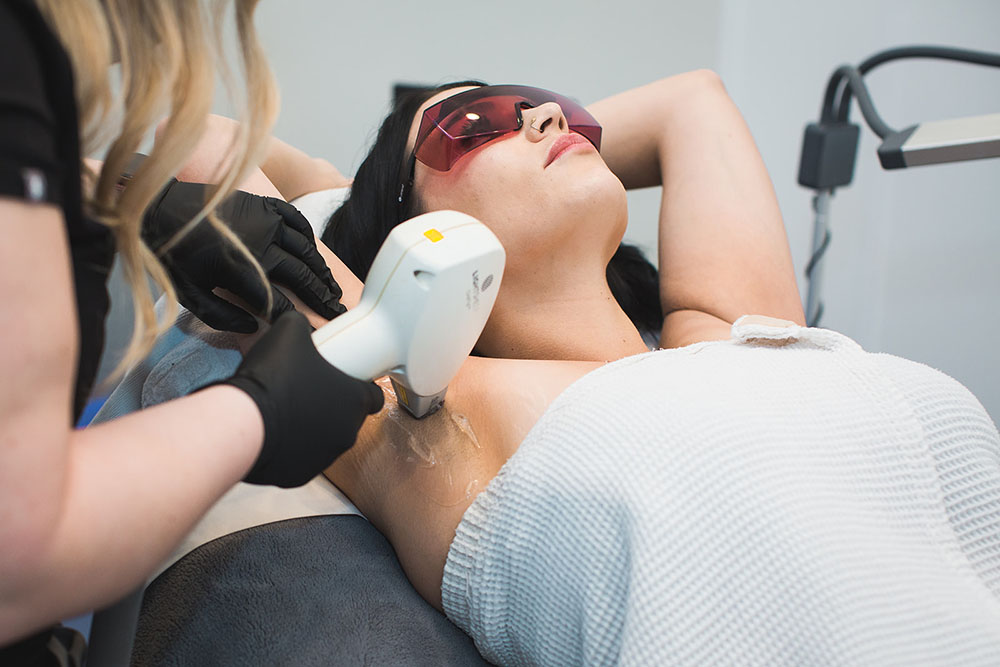
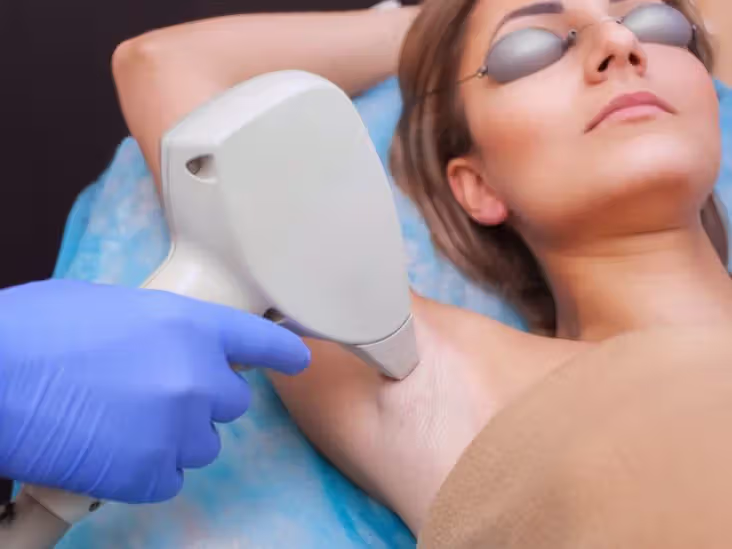
The procedure begins with the technician cleaning the treatment area and applying a cooling gel or a topical anesthetic if necessary. During the treatment, you will be asked to wear protective goggles to shield your eyes from the laser light. The practitioner will use a handheld device that emits the laser to target the hair follicles. As the laser pulses, you may feel a slight snap or tingling sensation. The sensation is brief and usually tolerable.
The number of sessions required for optimal results varies depending on the area being treated, the density of your hair, and your hair’s growth cycle. Most individuals require multiple treatments (usually 4 to 6) spaced about 4 to 6 weeks apart to achieve the best results. Each session targets hair in its active growth phase, and since hair grows in cycles, additional treatments are necessary to target all hair at different stages of growth.
Post-Treatment Care
After the procedure, you can expect some redness or mild swelling around the treated area, similar to the feeling of a mild sunburn. This typically subsides within a few hours to a day. You may also notice some hair shedding from the treated follicles in the following weeks. This is a normal part of the process, as the hair is being expelled from the follicle.
To ensure optimal results and minimize risks, follow these aftercare tips:
- Avoid sun exposure: Protect your skin from the sun for at least 2 weeks after your treatment to prevent pigmentation changes.
- No waxing or plucking: Avoid waxing or plucking the treated area, as this can disrupt the hair removal process. Shaving is allowed.
- Use gentle skincare: Avoid harsh skincare products or exfoliants in the treated area for a few days after the procedure.
- Moisturize: Apply a soothing moisturizer to the treated area if necessary.
4. Possible Risks and Aftercare Tips
Laser hair removal is generally safe, but as with any procedure, there are some risks to consider. The most common side effects include:
- Redness and Swelling: As mentioned, some redness and swelling are normal and should subside within a few hours.
- Pigment Changes: In rare cases, laser hair removal can cause pigment changes, either darkening or lightening of the skin, particularly in individuals with darker skin tones.
- Blisters or Burns: Although uncommon, there is a small risk of burns or blisters if the laser is not properly calibrated for your skin type.
- Scarring: While rare, some individuals may develop scars after treatment if the skin reacts poorly to the laser.
- Eye Injury: If protective eyewear is not worn during the procedure, there is a risk of eye injury from the laser light.
To minimize the risks of complications, it is crucial to choose a licensed, experienced practitioner who uses FDA-approved lasers and follows proper protocols. If you experience any concerning side effects, such as severe redness, blistering, or signs of infection, contact your provider immediately.
Conclusion
Laser hair removal offers a convenient, long-lasting solution for those tired of the constant maintenance of traditional hair removal methods. With benefits such as long-term hair reduction, fewer ingrown hairs, and minimal discomfort, it’s easy to see why so many individuals are opting for this advanced treatment. However, as with any procedure, it’s essential to consider the risks, follow proper aftercare instructions, and consult with a qualified practitioner to ensure that laser hair removal is the right choice for you.