























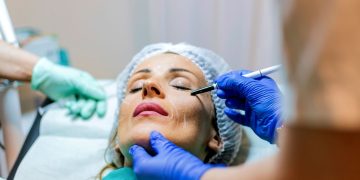


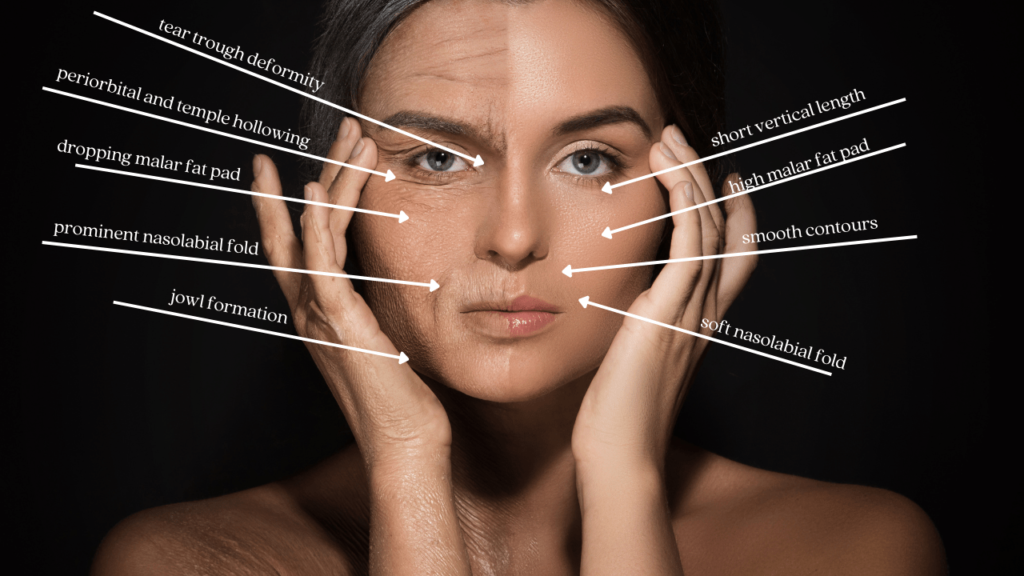
Non-surgical cheek augmentation has quickly become one of the most popular aesthetic procedures for individuals who want lifted, sculpted, and youthful-looking cheeks without the downtime of surgery. Using advanced injectable fillers or minimally invasive thread lifts, practitioners can contour the mid-face, enhance definition, and restore lost volume in subtle and natural ways. However, while these treatments offer appealing benefits, they also come with limitations, risks, and important aftercare requirements.
This comprehensive guide examines how non-surgical cheek augmentation works, who it is best suited for, how to achieve natural results, and what to expect before and after treatment.
1. What Techniques Are Used for Non-Surgical Cheek Augmentation?
There are two primary non-surgical methods: dermal fillers and PDO/PLLA/PCL threads. Both aim to restore structure and lift but function very differently.
● Dermal Fillers
Fillers—typically hyaluronic acid (HA), calcium hydroxylapatite (CaHA), or poly-L-lactic acid (PLLA)—are the most common method for augmenting the cheeks.
How They Work:
- HA fillers add immediate volume and contour.
- CaHA stimulates collagen production while providing structure.
- PLLA gradually builds volume by encouraging collagen regeneration.
Uses in Cheek Augmentation:
- Correcting volume loss in the mid-face
- Enhancing cheekbone definition
- Improving facial symmetry
- Softening nasolabial folds by lifting the surrounding tissue
Benefits:
- Instant or quick results
- Adjustable and reversible (for HA)
- Minimal downtime
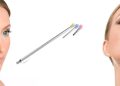
● Thread Lifts (PDO, PLLA, PCL)
Threads provide a lifting technique that repositions sagging tissue rather than adding volume.
How They Work:
- Absorbable threads with tiny barbs are inserted under the skin.
- They mechanically lift the cheeks upward.
- As the threads dissolve, they stimulate collagen formation.
Uses in Cheek Augmentation:
- Improving cheek position and contour
- Lifting sagging mid-face tissue
- Enhancing jawline definition indirectly through upward pull
Benefits:
- More lifting than volumizing
- Results improve over several months
- Longer-lasting collagen effects
Fillers vs Threads: Which Is Better?
| Goal | Best Option |
|---|---|
| Add volume | Fillers |
| Lift sagging tissue | Threads |
| Long-lasting structural support | CaHA or PLLA fillers |
| Reversible option | HA fillers |
| Subtle contouring | Combining fillers + threads |
2. Who Are the Ideal Candidates for Non-Surgical Cheek Augmentation?
Non-surgical cheek augmentation is not a one-size-fits-all treatment. The best candidates share certain characteristics:
● Those Experiencing Mild to Moderate Volume Loss
Common after age 30–35 due to natural collagen decline and fat redistribution.
● Individuals Seeking Subtle Enhancement Rather Than a Dramatic Change
People wanting definition, contour, or symmetry improvements.
● Patients with Good Skin Elasticity
Elastic skin responds better to lifting and volumizing techniques.
● People Who Want Minimal Downtime
Most can return to daily activities within hours.
● Candidates Unsuitable for Surgical Implants
Either due to health concerns, hesitation, or preference for gradual results.
● Younger Clients Looking for Sculpted Cheekbones
Non-surgical methods can create sharper cheek definition without altering bone structure.
3. How Do You Achieve Natural-Looking Results?
Natural cheek augmentation requires planning, artistry, and precise execution.
● Facial Harmony First, Volume Second
Practitioners consider:
- Proportions between upper, mid, and lower face
- Side profile balance
- Symmetry from all angles
The goal is enhancement, not artificial fullness.
● Strategic Placement Over “More Product”
Ideal injection points:
- Lateral cheek for contour
- Mid-cheek for volume restoration
- Zygomatic arch for definition
Thread placement also follows structural vectors to create subtle elevation.
● Less Is More
Overfilled cheeks cause the common “pillow face” appearance.
Natural results involve layering treatments over time.
● Choosing the Right Technique
- Fillers for hollowing
- Threads for drooping
- Combination for both volume + lift
● Experienced Injector = Natural Results
Expert practitioners:
- Understand anatomical depth
- Customize filler type and technique
- Consider bone structure and fat compartments
- Avoid over-correction
4. What Are the Risks and Possible Complications?
Although considered safe, cheek augmentation still carries risks.
Common, Short-Lived Side Effects
- Swelling
- Redness
- Bruising
- Mild tenderness
- Temporary asymmetry
These typically resolve within 3–7 days.
Risks Specific to Fillers
- Lumps or uneven distribution
- Migrated filler
- Overfilled appearance
- Infection
- Delayed inflammatory nodules
- Vascular occlusion (rare but serious)
Vascular occlusion requires immediate treatment with hyaluronidase for HA fillers.
Risks Specific to Threads
- Thread visibility or palpability
- Mild dimpling
- Asymmetrical lift
- Infection
- Thread breakage (rare)
Who Should Avoid These Treatments?
- Pregnant or breastfeeding individuals
- Those with active infection or severe acne in the area
- People with bleeding disorders
- Anyone with a history of severe filler reactions
5. What Aftercare Steps Ensure the Best Results?
Proper aftercare helps maintain results, prevent complications, and enhance longevity.
Immediately After Treatment
- Avoid touching or massaging the cheeks unless instructed
- Skip strenuous exercise for 24–48 hours
- Avoid heat exposure: saunas, hot yoga, sunbeds
- Sleep with your head elevated
For Fillers
- Avoid alcohol and blood thinners for 24 hours
- Apply cold compresses for swelling
- Follow up with your injector within 2 weeks
For Threads
- Do not open your mouth too wide for 48 hours
- Avoid facial massages for 2–3 weeks
- Be gentle with expressions to prevent thread displacement
Long-Term Maintenance
- Filler results last 9–18 months
- Threads last 12–24 months
- Results may last longer with good skincare, hydration, and sun protection
- Touch-ups every 6–12 months help maintain natural contours
Conclusion
Non-surgical cheek augmentation offers a versatile, low-downtime way to restore youthful fullness, enhance contour, and improve facial harmony. With options like fillers and thread lifts, patients have multiple techniques tailored to their unique anatomy and goals. However, understanding the benefits and limitations—along with choosing a skilled practitioner—is key to achieving safe, natural, and satisfying results.
Whether you’re seeking subtle refinement or comprehensive rejuvenation, non-surgical cheek augmentation can be an effective and transformative option when done thoughtfully and safely.