


























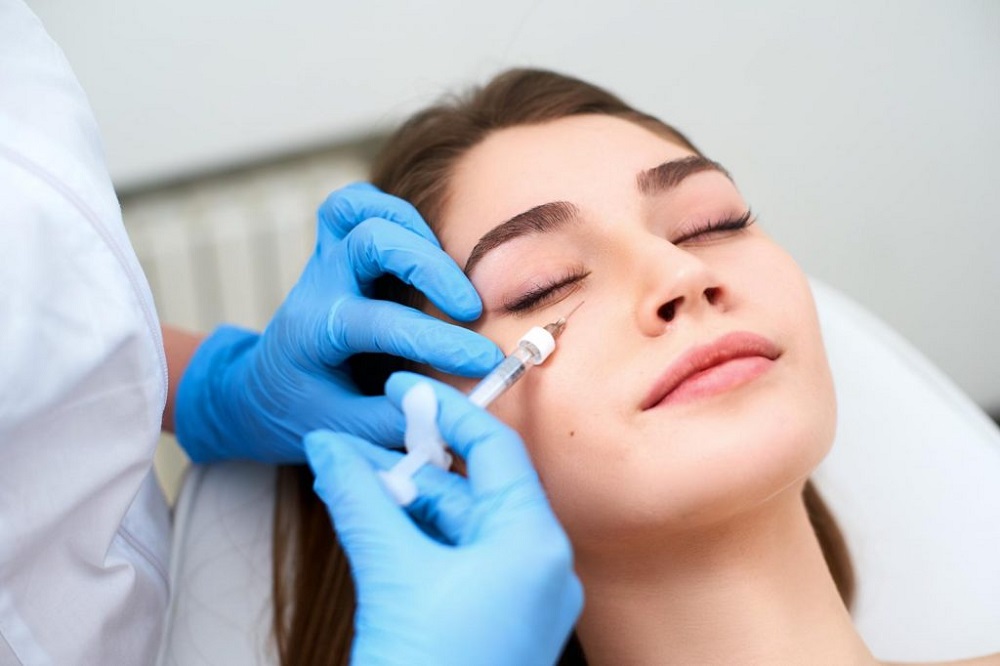
Hyaluronic acid (HA) injections are one of the most popular non-surgical cosmetic treatments worldwide, prized for their ability to restore volume, smooth wrinkles, and enhance facial contours. As a naturally occurring substance in the skin, HA attracts and retains moisture, making it a versatile tool in aesthetic medicine. Understanding how HA works, the areas it can treat, selecting the right filler, safety considerations, and maintenance strategies is essential for anyone considering this treatment.
1. How Does Hyaluronic Acid Work in the Skin?
Hyaluronic acid is a naturally occurring glycosaminoglycan, found throughout the body, particularly in the skin, connective tissues, and eyes. Its unique properties make it ideal for skin rejuvenation.
● Water Retention and Hydration
- HA can hold up to 1000 times its weight in water, providing intense hydration.
- Increased hydration plumps the skin, reducing the appearance of fine lines and wrinkles.
● Volume Restoration
- Loss of facial volume is a natural part of aging due to decreased collagen, fat, and HA.
- Injected HA replaces lost volume, restoring youthful contours to cheeks, temples, lips, and under-eyes.
● Skin Elasticity and Smoothness
- HA promotes a smoother skin surface by filling in depressions and enhancing tissue elasticity.
- It encourages fibroblast activity, which may indirectly support collagen and elastin production.
● Biocompatibility
- HA is naturally found in the body, making it highly compatible and reducing the risk of allergic reactions.
2. What Treatment Areas Benefit Most from Hyaluronic Acid Injections?
HA injections are versatile and can address a wide variety of aesthetic concerns.
● Cheeks
- Restores volume lost due to aging or weight fluctuations.
- Enhances facial contours and lifts mid-face sagging.
● Lips
- Adds fullness and definition.
- Corrects asymmetry and smooths fine lines around the mouth.
● Nasolabial Folds and Marionette Lines
- Softens deep folds and expression lines.
- Provides a smoother transition from the mid-face to the lower face.
● Under-Eye (Tear Troughs)
- Reduces hollowness and dark shadows.
- Offers a refreshed, awake appearance without surgery.
● Chin and Jawline
- Enhances definition and balance of facial proportions.
- Provides subtle lifting effect in combination with other treatments.
● Hands and Neck
- Can restore volume in aging hands and smooth neck wrinkles.

3. How to Choose the Right Type of Hyaluronic Acid Filler
Not all HA fillers are the same; differences in viscosity, elasticity, and cohesiveness determine their best use.
● Low-Viscosity Fillers
- Thin, spreadable HA ideal for fine lines, under-eye areas, and superficial wrinkles.
- Provides subtle hydration and smoothness without adding bulk.
● Medium-Viscosity Fillers
- Suitable for moderate lines and areas needing light volume, such as lips or nasolabial folds.
● High-Viscosity or High-Elasticity Fillers
- Dense HA fillers for cheek augmentation, jawline definition, or chin contouring.
- Can lift tissue and restore significant volume.
● Cross-Linking and Longevity
- Most HA fillers are cross-linked, meaning molecules are chemically bonded for durability.
- The degree of cross-linking affects how long the filler lasts: lightly cross-linked HA lasts 6–9 months, while highly cross-linked HA can last 12–18 months.
● Choosing a Practitioner
- A licensed, experienced injector ensures correct filler type, appropriate depth, and natural-looking results.
- Practitioner expertise significantly affects outcomes and safety.
4. What Are the Safety Considerations and Potential Side Effects?
Hyaluronic acid injections are generally safe, but like all procedures, they come with potential side effects and precautions.
● Common Side Effects
- Redness, swelling, and bruising at the injection site
- Mild tenderness or itching
- Temporary asymmetry that usually resolves within a few days
● Less Common Risks
- Infection at the injection site
- Lumps, bumps, or migration of the filler
- Rare vascular complications (e.g., accidental intravascular injection leading to skin necrosis)
● Safety Tips
- Always choose a certified practitioner with experience in HA injections.
- Avoid blood-thinning medications or supplements before treatment unless cleared by a doctor.
- Follow post-treatment care, such as avoiding excessive heat, massage, or strenuous activity for 24–48 hours.
5. How Long Do Hyaluronic Acid Injections Last and How Should You Maintain Results?
The longevity of HA injections depends on the type of filler, treatment area, metabolism, and lifestyle.
● Duration by Area
- Lips: 6–12 months
- Under-eye: 9–12 months
- Cheeks and jawline: 12–18 months
- Fine lines: 6–9 months
● Maintenance Strategies
- Schedule touch-ups according to the practitioner’s guidance.
- Maintain hydration, healthy diet, and sun protection to prolong filler effects.
- Avoid smoking and excessive alcohol consumption, which may accelerate breakdown.
- Combine with complementary treatments, such as skin tightening or HA serums, for enhanced results.
● Monitoring and Adjustments
- Periodic assessments ensure natural appearance and symmetry.
- Gradual top-ups are preferable to overfilling, maintaining subtle and youthful results.
6. Conclusion
Hyaluronic acid injections offer a safe, versatile, and minimally invasive way to restore volume, smooth wrinkles, and enhance facial contours. By understanding how HA works, the areas it can treat, choosing the appropriate filler type, following safety protocols, and maintaining results through follow-ups and lifestyle measures, patients can achieve natural-looking, long-lasting rejuvenation. When performed by an experienced practitioner, HA injections can provide subtle enhancements that support confidence and overall facial harmony.