


















Hair loss, whether from male or female pattern baldness, alopecia, or other medical conditions, can be a deeply personal and emotionally challenging experience. For decades, the solutions have been largely binary: embrace the baldness or commit to the significant expense, maintenance, and potential discomfort of surgical hair transplants. But a third, revolutionary option has been steadily gaining global traction, offering a compelling middle ground that is both effective and accessible: Scalp Micro-Pigmentation (SMP). Often described as a “tattoo for baldness,” this description is a dramatic oversimplification of a highly specialized cosmetic procedure. SMP is not about creating a solid block of ink; it’s an art form that uses micro-dots of pigment to replicate the appearance of natural hair follicles, creating the illusion of a closely buzzed head of hair or adding density to thinning areas. This guide will demystify what SMP truly is, identify the ideal candidates and manage expectations, walk through the meticulous procedure steps, outline critical safety precautions, and detail the maintenance required to preserve the flawless, natural-looking results for years to come.
Beyond the “Tattoo”: What Scalp Micro-Pigmentation Actually Is
At its core, SMP is a non-invasive, cosmetic tattoo procedure that deposits specialized pigment into the upper dermis of the scalp. However, the similarities to traditional body art tattooing end there. The goals, tools, and techniques are fundamentally different.
- The Goal: A traditional tattoo aims to create solid lines, shading, and imagery. The goal of SMP is to create thousands of tiny, subtle dots that mimic the shaved hair follicles of a natural buzz cut. When viewed from a normal social distance, these dots blend optically with any existing hair and the scalp skin to create the appearance of a full head of hair.
- The Tools: SMP artists use specialized devices with fine, single-needle configurations, not the multi-needle cartridges used for tattooing. The depth of deposit is also much more superficial, placed between the first and second layers of skin. This is crucial for achieving a natural, non-blurry appearance and allowing for future fading.
- The Pigments: Unlike traditional tattoo ink, which is designed to be permanent and can shift color over time (often to blue or green), SMP pigments are formulated to be carbon-based and organic. They are designed to fade subtly over time to a soft, natural gray that mimics the matte appearance of real hair, avoiding the unnatural, shiny, or discolored look of a bad scalp tattoo.
Ideal Candidates and Managing Expectations: Who Benefits Most?
SMP is a versatile solution, but it is not a one-size-fits-all cure for hair loss. Understanding who is an ideal candidate is key to satisfaction.
Ideal Candidates Include:
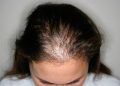
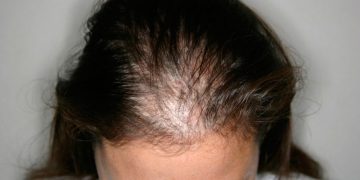
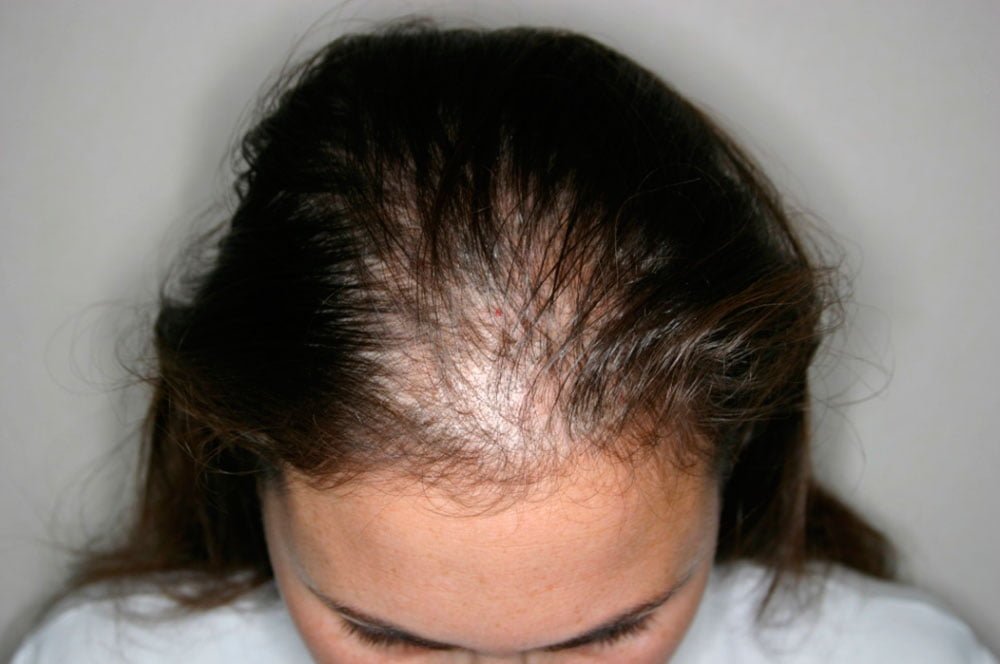
- Individuals with Male/Female Pattern Baldness: It is exceptionally effective for recreating a receding hairline or adding density to a thinning crown.
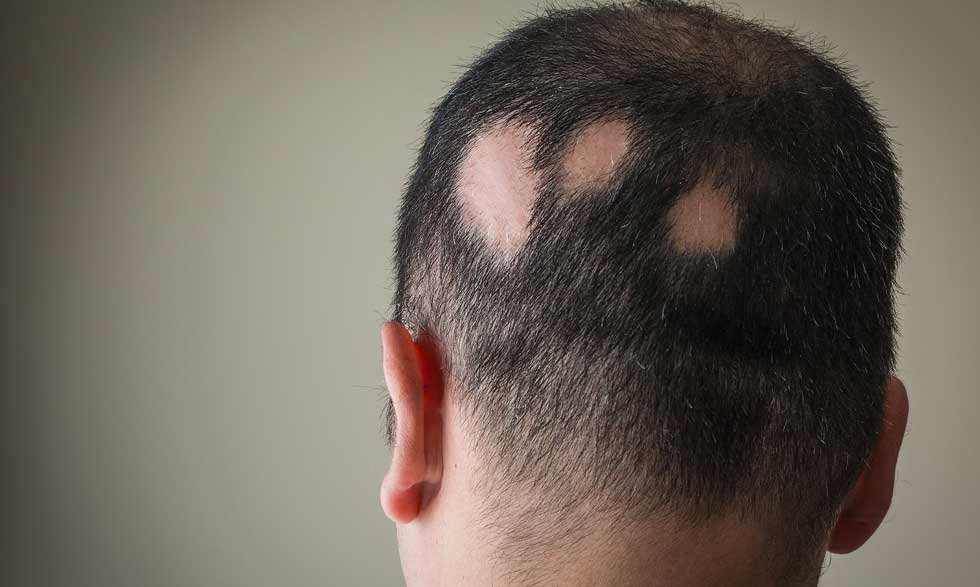
- Those with Alopecia Areata, Totalis, or Universalis: SMP can create the appearance of a full head of hair for those who have lost it entirely due to autoimmune conditions.
- People Seeking to Camouflage Scarring: It is highly effective at concealing scars from previous hair transplant surgeries (FUE/FUT), accidents, or other surgical procedures on the scalp.
- Anyone Wanting to Add Density to Thinning Hair: For those who aren’t fully bald but have visible scalp through their hair, SMP can create a “filler” effect, making the hair appear much thicker.
Crucial Realistic Expectations:
- It Creates an Illusion, Not Hair Growth: SMP does not grow hair. It is a visual trick. The result is the look of a closely shaved scalp (typically a 1 or 2 guard buzz cut).
- It Requires Multiple Sessions: A full treatment is never completed in one session. Typically, 2-4 sessions are required, spaced 10-14 days apart, to build up density, adjust the hairline, and ensure perfect color matching.
- Color Matching is an Art: The pigment will be custom-blended to match your existing hair and skin tone. It will appear darker initially before softening and settling into its final color over 2-3 weeks.
- It Fades Over Time: SMP is considered semi-permanent. While the dots are permanent, the appearance will soften over 3-6 years, requiring a “touch-up” session to refresh the color and density.
The Procedure Steps: A Meticulous Process from Consultation to Completion
A reputable SMP artist follows a rigorous, multi-step process to ensure safety, precision, and client satisfaction.
- The In-Depth Consultation: This is the most critical step. The artist will assess your scalp, discuss your goals, design a proposed hairline, and explain the entire process, including risks and aftercare. This is where expectations are set and managed.
- Hairline Design and Pigment Blending: The artist will draw a temporary hairline with a marker, working with you to create a shape that is age-appropriate, symmetrical, and suits your facial structure. The pigment is then custom-mixed.
- The First Session: The artist will begin the process of implanting the micro-dots. This session focuses on establishing the foundation—laying down the initial hairline and a base layer of dots. The density will be light.
- The Second Session (and Beyond): Subsequent sessions, usually 10-14 days later, are used to fill in density, reinforce the hairline, and address any areas where the pigment may have healed lighter. The artist will assess the healed results from the previous session to guide their work.
- The Healing Process: Healing is relatively quick. Immediately after, the scalp will be red and the dots will appear dark and sharp. Over the next 5-7 days, the dots will form tiny scabs that flake away naturally. It is imperative not to pick at them. Underneath, the pigment will appear 30-40% lighter as the skin heals over it, revealing the true, softened color.
Safety Precautions: Choosing the Right Practitioner is Everything
The success and safety of SMP hinge entirely on the skill and hygiene of the practitioner.
- Certification and Portfolio: Do not choose based on price alone. Seek a certified SMP specialist with an extensive portfolio of real, healed client results. Look for hairlines that look natural, not drawn-on.
- Hygiene and Sterilization: The studio should be clinical and clean. All needles should be single-use, disposable, and opened in front of you. Pigment caps should be fresh for each client.
- Patch Test: A reputable artist will always perform a patch test for both pigment allergy and to see how your skin accepts the pigment before the full procedure.
- Avoid “Too Good to Be True” Deals: Be wary of practitioners who promise overly dark, dense results in one session or who design harsh, unnatural hairlines. This is a sign of inexperience.
Long-Term Maintenance: Preserving Your Investment
To keep your SMP looking its best for as long as possible, a simple maintenance routine is essential.
- Sun Protection: This is the most important factor. UV rays are the primary cause of pigment fading and potential color shift. Wearing a hat or applying a high-SPF, non-oily sunscreen to the scalp is mandatory when in the sun for extended periods.
- Gentle Skincare: Use mild, fragrance-free shampoos and avoid harsh exfoliants or chemical peels on the scalp.
- Moisturizing: Keeping the scalp hydrated with a light, non-clogging moisturizer can help maintain skin health and pigment vibrancy.
- Touch-Up Sessions: Plan for a refresh session every 3-6 years. This is not a full repeat of the procedure but a session to reinforce the color and density, keeping the look crisp and natural.
Conclusion: A Confident New Beginning
Scalp Micro-Pigmentation is more than a trend; it is a validated and sophisticated cosmetic solution that has restored confidence to thousands. It successfully bridges the gap between doing nothing and undergoing invasive surgery, offering a low-maintenance, immediate, and highly effective answer to hair loss. By understanding the procedure’s nuances, setting realistic expectations, and, most importantly, investing in a highly qualified and artistic practitioner, individuals can achieve a transformative result. SMP provides not just the appearance of a full head of hair, but the profound psychological benefit of reclaiming one’s image and stepping forward with renewed self-assurance.