






















For decades, the pursuit of smooth, hair-free skin was dominated by temporary and often irritating methods like shaving, waxing, and depilatory creams. These solutions offered fleeting results, frequently accompanied by ingrown hairs, razor burn, and constant maintenance. The advent of laser hair removal promised a revolutionary alternative: a long-term reduction that could free individuals from the endless cycle of hair removal. However, the early days of laser technology were fraught with limitations. They were often described as “one-size-fits-all” solutions that were truly only safe and effective for a narrow segment of the population—those with pale skin and dark, coarse hair. For anyone with darker skin tones, lighter hair colors, or sensitive skin, the risks of burns, discoloration, and inefficacy were high. Today, the landscape of laser hair removal has undergone a profound transformation. Driven by technological innovation and a deeper understanding of skin biology, modern laser hair removal is safer, more effective, and more inclusive than ever before. This article will trace this evolution, demystifying the different laser types, clarifying which technologies are suitable for various skin tones, outlining the modern procedure from consultation to aftercare, and providing a realistic overview of the risks, downtime, and how laser can be integrated with other aesthetic treatments.
The Technological Leap: Laser Types, Wavelengths, and Selective Photothermolysis
The core principle of laser hair removal remains selective photothermolysis. This means using a specific wavelength of light to selectively target a chromophore (in this case, the melanin pigment in the hair follicle) without damaging the surrounding skin. The evolution of safety and efficacy hinges on the development of lasers that can better distinguish between the melanin in the hair and the melanin in the skin.
The key to this is wavelength. Longer wavelengths penetrate deeper into the skin and are less attracted to epidermal melanin, making them safer for darker skin tones.
Here are the primary laser types used today, from the pioneering to the most advanced:
- Alexandrite Laser (755 nm wavelength):
- Profile: Very fast treatment speed and highly effective for hair reduction.
- Best For: Individuals with Light to Olive skin tones (Fitzpatrick I-III) with dark, coarse hair.
- Limitations: The shorter wavelength is strongly attracted to melanin, posing a higher risk of burns and hyperpigmentation for darker skin tones (Fitzpatrick IV-VI).
- Diode Laser (800-810 nm wavelength):
- Profile: Often considered the modern “workhorse” of laser hair removal. It offers an excellent balance of efficacy and safety.
- Best For: A very wide range, from Light to Medium-Brown skin tones (Fitzpatrick I-V). Its longer wavelength allows it to bypass much of the epidermal melanin to target the follicle safely.
- Evolution: Newer diode technologies incorporate contact cooling and different pulse durations, allowing practitioners to customize settings with great precision for individual skin types.
- Nd:YAG Laser (1064 nm wavelength):
- Profile: The longest wavelength commonly used for hair removal. It is the safest option for darker skin tones (Fitzpatrick IV-VI).
- How it Works: Because the 1064 nm wavelength is poorly absorbed by melanin, it bypasses the epidermis almost entirely, focusing its energy deep into the follicle. This dramatically reduces the risk of burning or discoloring the surrounding skin.
- Trade-off: It can be slightly less effective on very fine hair and may require more sessions to achieve optimal results.
- Intense Pulsed Light (IPL):
- Important Distinction: IPL is not a laser. It uses a broad spectrum of light (like a photo flash) rather than a single, focused wavelength.
- Profile: Generally less effective and less safe than modern lasers for permanent hair reduction. It is less specific, making it harder to target the follicle without affecting the skin.
- Best For: Primarily only suitable for those with the ideal Fitzpatrick I-II skin type and dark hair. Its results are often more temporary.
Matching Technology to Skin: The Critical Importance of Skin Type Suitability
The single most important factor in the safety of laser hair removal is matching the correct laser and settings to the patient’s Fitzpatrick Skin Type (a scale from I [very fair] to VI [deeply pigmented]).
- The Old Paradigm: Only Alexandrite lasers and IPL were available, effectively excluding anyone with skin darker than Type III.
- The New Paradigm: The development of Diode and Nd:YAG lasers has made safe and effective treatment accessible to nearly all skin types. A reputable clinic will always conduct a patch test on your skin type with the intended laser before proceeding with a full treatment. This is a non-negotiable safety step.

The Modern Procedure: A Step-by-Step Guide from Consultation to Aftercare
- The Comprehensive Consultation: A safe treatment begins long before the laser is turned on. A qualified practitioner will:
- Assess your skin type, hair color, and medical history.
- Discuss realistic expectations (laser aims for permanent reduction, not always 100% permanent removal).
- Perform a patch test to determine the correct energy settings and ensure your skin reacts well.
- Pre-Treatment Preparation: You will be instructed to:
- Avoid sun exposure, tanning beds, and self-tanners for 4-6 weeks.
- Stop waxing, plucking, or threading for at least 6 weeks prior (these remove the hair follicle, which is the target).
- Shave the treatment area 24 hours before your session. Shaving preserves the follicle while removing the hair above the skin, preventing surface burns.
- The Treatment Session:
- The area is cleaned, and a topical numbing cream may be applied if desired.
- Both you and the practitioner will wear protective eyewear.
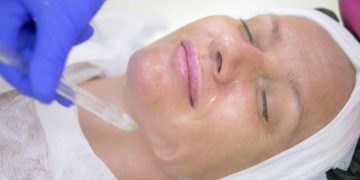
- The practitioner will use a handpiece that emits the laser light. Modern devices often have integrated cooling systems that blow cold air or use a cooled tip to protect the skin’s surface and minimize discomfort.
- The sensation is often described as a quick, hot snap of a rubber band.
- Immediate Aftercare:
- The skin may appear pink and feel sunburned for a few hours.
- Apply a cool compress or aloe vera gel to soothe the area.
- Use a gentle, fragrance-free moisturizer.
- Absolutely avoid sun exposure and use a broad-spectrum SPF 30+ daily.
A Realistic Outlook: Understanding Risks, Downtime, and Combination Therapies
Risks and Side Effects:
With modern technology and a skilled practitioner, serious risks are low. However, potential side effects include:
- Temporary: Redness, swelling, and perifollicular edema (looks like goosebumps) are normal and subside within hours to a day.
- Less Common: Crusting, blistering, or temporary hyper- or hypopigmentation can occur, usually due to incorrect settings, recent sun exposure, or inadequate cooling.
- Rare: Scarring or permanent pigment changes are extremely rare with today’s standards of care.
Downtime:
One of the greatest advantages of modern laser hair removal is the minimal to zero downtime. You can typically return to your normal activities immediately after treatment, though you should avoid strenuous exercise, hot showers, and swimming for 24-48 hours to prevent irritation.
Combining with Other Treatments:
Laser hair removal can be part of a comprehensive aesthetic plan, but timing is critical.
- With Chemical Peels and Microneedling: These should be scheduled several weeks apart from laser sessions to avoid cumulative skin irritation.
- With Botox and Fillers: These can typically be done on the same day, but in different areas. It’s best to consult with your provider on the ideal sequence.
- The “Why”: Combining treatments allows for addressing multiple concerns—like skin texture, tone, and hair—simultaneously, leading to more comprehensive results.
Conclusion: A New Era of Accessibility and Safety
The evolution of laser hair removal from a risky procedure for a select few to a mainstream, safe, and effective treatment for nearly all is a testament to medical aesthetic innovation. The development of longer-wavelength lasers like the Diode and Nd:YAG has been the cornerstone of this revolution, finally allowing individuals with darker skin tones to benefit from this life-changing technology. Safety today is defined by customization—the right laser, the right settings, and the right practitioner. By choosing a certified and experienced professional who utilizes modern equipment and prioritizes a thorough consultation, you can confidently pursue laser hair removal. It is no longer a gamble but a scientifically-backed path to long-term smoothness and freedom from the burdens of routine hair removal.