














We invest time and money in curating the perfect makeup collection, carefully selecting products that enhance our features and express our style. Yet, many of us store these delicate chemical emulsions and pressed powders in environments that actively degrade their quality, performance, and safety. The bathroom counter, a sunlit windowsill, or a hot car glove compartment—these common storage spots are the silent saboteurs of our beauty arsenal. The secret to preserving your investment isn’t just about buying high-quality products; it’s about understanding the science of their degradation and implementing a smart, seasonal storage strategy. This comprehensive guide will explore how temperature, humidity, and time conspire against your cosmetics, and provide a clear, actionable plan for organizing, cleaning, and tracking your collection to ensure every application is as flawless and safe as the first.
1. The Invisible Enemies: How Temperature and Humidity Degrade Your Products
Makeup is not inert; it’s a carefully balanced formulation of oils, waxes, water, pigments, and preservatives. Environmental factors disrupt this balance, leading to irreversible damage.
The Problem of Heat:
High temperatures, whether from direct sunlight or a hot room, accelerate molecular activity.
- Product Separation: In liquid products like foundation and sunscreen, heat causes the oil and water components to separate, resulting in a strange consistency and uneven application that cannot be fully remedied by shaking.
- Melting and Warping: Cream-based products like lipstick, concealer, and cream blush soften and can melt, losing their structure and becoming difficult to apply. Waxy pencils can become too soft to sharpen properly.
- Preservative Breakdown: Heat can break down the preservative systems designed to prevent bacterial and fungal growth. Once compromised, the product becomes a breeding ground for microbes.
The Problem of Humidity and Moisture:
The bathroom, with its daily steam from showers, is the worst possible place for most makeup.
- Clumping and Hard Pan: Powder products—eyeshadows, blushes, and face powders—are highly absorbent. Humidity causes the binders in the powder to draw in moisture, leading to a hard, crusty layer on the surface known as “hard pan.” This makes it impossible to pick up pigment on a brush.
- Rust and Corrosion: Moisture in the air causes metal components, like the ferrules of brushes and the metal pans in eyeshadow palettes, to rust. This not only ruins the tools but can also contaminate the product itself.
- Mold Growth: Any organic, water-based product (like a jar of moisturizer or a natural formula) stored in a humid environment is susceptible to mold and mildew.
The Ideal Storage Environment:
A cool, dry, and dark place is paramount. A bedroom drawer or a dedicated, ventilated closet is ideal. The consistent, climate-controlled environment of a bedroom is far superior to the fluctuating extremes of a bathroom or car.
2. The Clock is Ticking: A Practical Guide to Tracking Expiration Dates
Using expired makeup is not just about diminished performance; it’s a genuine health risk. Bacteria from your eyes, lips, and skin can multiply in old products, leading to infections, irritation, and breakouts.
Understanding Period After Opening (PAO):
Look for the small jar symbol on the packaging with a number and “M” inside (e.g., 6M, 12M, 24M). This indicates how many months the product is safe to use after it has been opened. Unopened, most products have a shelf life of 2-3 years.
General Expiration Guidelines:
- Mascara and Liquid Eyeliner: 3-6 months. These are used near the eyes and are most susceptible to bacterial growth, which can cause conjunctivitis (pink eye) and styes.
- Liquid Foundation, Concealer, and Cream Products: 6-12 months. The water content makes them prone to bacteria.
- Lipstick and Lip Gloss: 1-2 years. Creamy lipsticks can breed bacteria, while gloss applicators are repeatedly introduced to the mouth.
- Powder Products (Eyeshadow, Blush, Face Powder): 2-3 years. Since they are dry, they are less hospitable to bacteria. However, the oils from your skin can degrade them over time, and they can eventually lose their pigment payoff.
- Skincare (Serums, Moisturizers): 6-12 months. Active ingredients like Vitamin C and retinoids oxidize and become ineffective.
How to Track Expiration:
- Label Upon Opening: The moment you open a new product, take a small piece of masking tape and write the open date (e.g., “Oct 2024”) on it. Stick it to the bottom or side of the product.
- Digital Inventory: Use a notes app on your phone to keep a running list of products and their open dates.
- The Sniff and Sight Test: If a product changes color, separates permanently, or develops a strange odor, discard it immediately—regardless of the PAO date.
3. The First Line of Defense: Maintaining Hygiene and Regular Cleaning
Your makeup and tools are in constant contact with your skin, picking up dead skin cells, oils, and bacteria with every use. A dirty collection directly compromises skin health and product integrity.
Cleaning Your Makeup Tools:
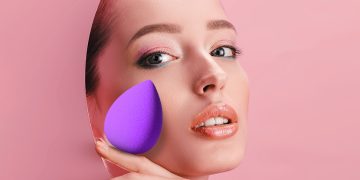
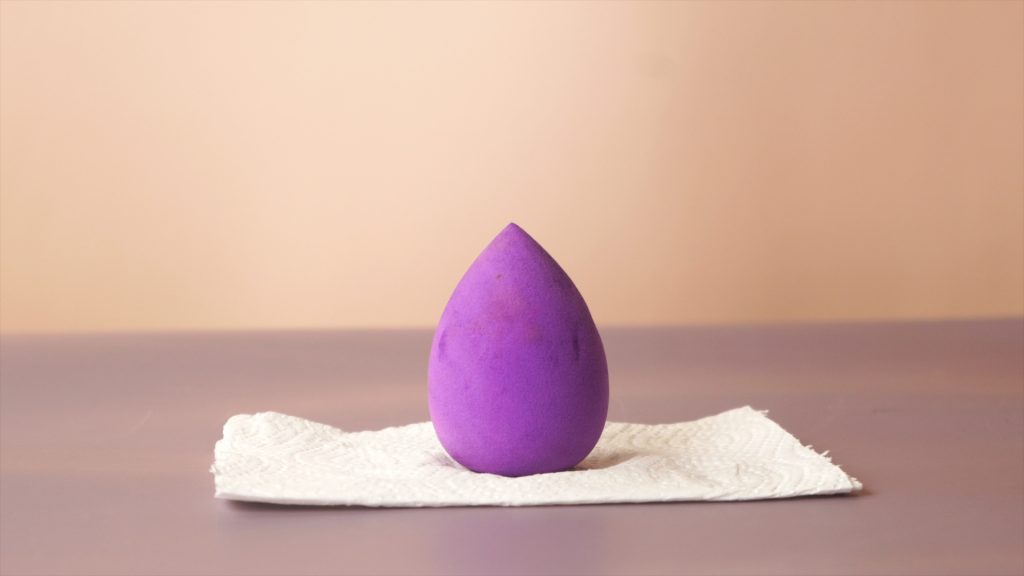
- Frequency: Brushes used with cream products should be cleaned weekly. Brushes for powders can be cleaned every 2-3 weeks. Beauty blenders should be cleaned after every use or, at a minimum, weekly.
- Method: Use a gentle brush cleanser or a mild, unscented baby shampoo. Swirl the bristles in the cleanser in the palm of your hand under lukewarm water until the water runs clear. Reshape the bristles and lay them flat to dry to prevent water from loosening the glue in the ferrule.
Sanitizing Your Makeup:
- Powders (Eyeshadow, Blush): Use a piece of transparent tape. Press it gently onto the surface of the powder and lift it off. This will remove the top, contaminated layer and any hard pan. For a deeper clean, you can lightly spritz the surface with 70% isopropyl alcohol and let it evaporate.
- Cream Products: Use a clean spatula to scrape off the top layer if you suspect contamination.
- Lipsticks: Wipe the bullet down with a tissue soaked in isopropyl alcohol.
Personal Hygiene:
Always wash your hands before applying makeup. Never share mascara, eyeliner, or lip products directly from the applicator.
4. The Organized Sanctuary: Smart Storage and Organization Ideas
An organized collection is easier to use, helps you track what you have, and protects your products from damage.
Solutions for a Clutter-Free Collection:
- Acrylic Drawer Organizers: These are transparent, stackable, and allow you to see every product at a glance. Use them to separate categories: one drawer for lipsticks, one for foundations, etc.
- Lazy Susans/Turntables: Perfect for a deep cabinet or vanity corner. They provide 360-degree access to all your products without having to dig through the back.
- Magnetic Palettes for Singles: Depot your single eyeshadows, blushes, and bronzers and place them into a large, magnetic palette. This saves a tremendous amount of space, allows for custom color stories, and lets you see all your powders at once.
- Clear Cosmetic Bags: For travel or for storing categories of products (e.g., “Everyday Face,” “Evening Glam”), clear bags allow you to find what you need instantly.
Seasonal Rotation:
Just as you rotate your wardrobe, consider rotating your makeup.
- Summer: Keep your waterproof formulas, bright colors, and lightweight bases easily accessible.
- Winter: Move your richer lip colors, heavier creams, and hydrating primers to the front.
Store out-of-season products in a closed box in a cool closet. This not only declutters your daily space but also protects those products from light and air exposure when they’re not in use.
Your makeup collection is an investment in your self-expression and confidence. By treating it with the same care you would any valuable possession—protecting it from its environmental enemies, respecting its expiration dates, maintaining its cleanliness, and organizing it thoughtfully—you ensure that every product performs at its peak. This proactive approach to storage is the ultimate beauty hack, guaranteeing that your makeup looks beautiful on you because it is, itself, beautifully preserved.