
















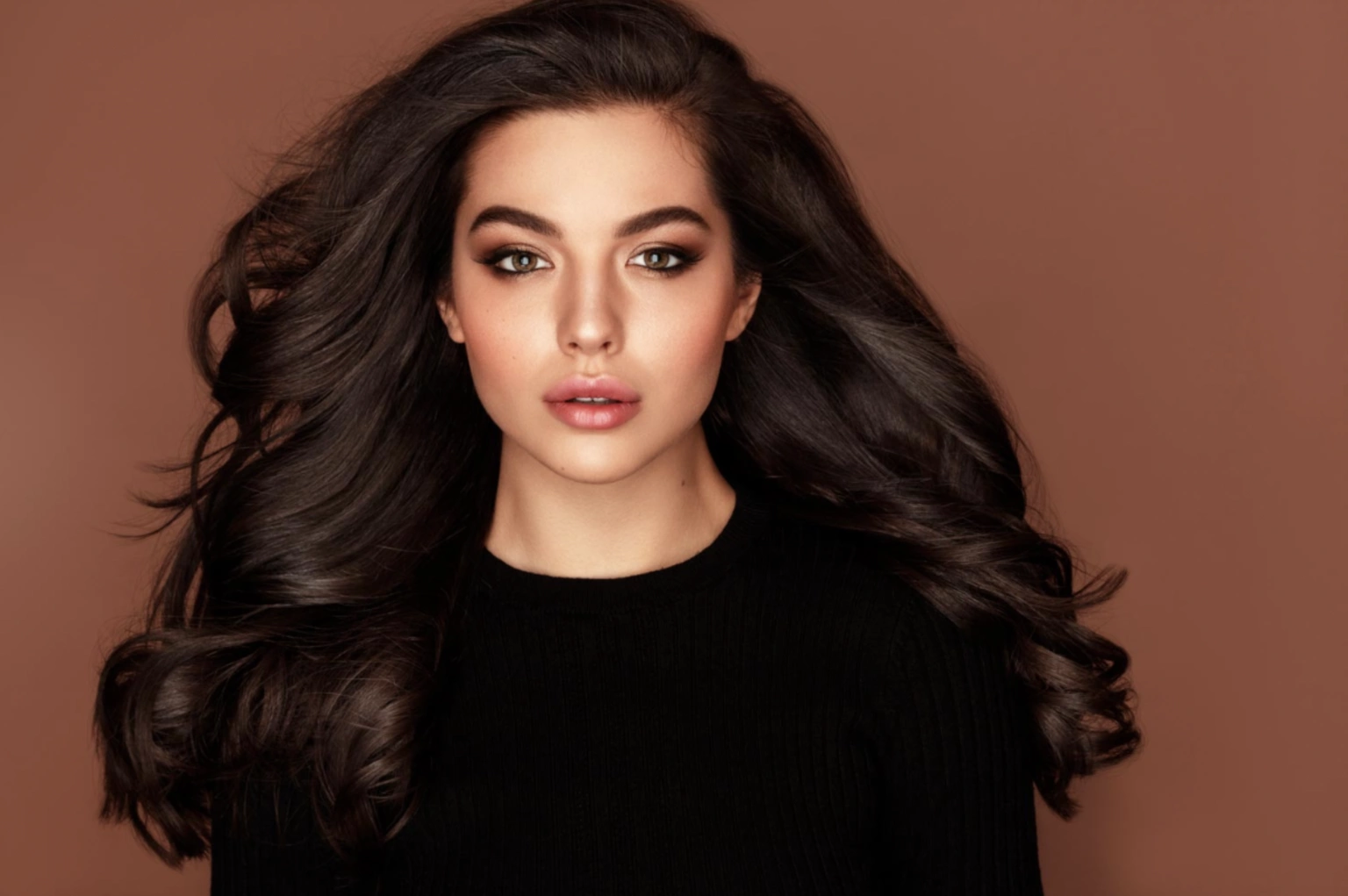
Hair thickness and shine are often perceived as the result of good hair products, salon treatments, and genetics. While these factors certainly matter, the foundation of truly healthy, vibrant hair begins with what you feed your body. Diet directly influences the health of your hair follicles, scalp condition, growth speed, and the natural radiance of each strand. Without the right nutrients, even the best haircare routine cannot fully compensate for internal deficiencies.
In this comprehensive guide, we explore the essential nutrients your hair depends on, the foods that support density and luminosity, the role of supplements, and how to plan meals that nourish your hair from within. Strengthening your diet may be the most powerful step you can take toward achieving thicker, shinier hair—naturally and sustainably.
1. Which Essential Nutrients Are Critical for Hair Thickness and Shine?
Hair is one of the fastest-growing tissues in the human body, but it requires a steady supply of nutrients to maintain strength and luster. Missing even one key element can trigger dullness, thinning, or fragile strands.
1.1 Protein
Hair is composed primarily of keratin, a structural protein.
Without enough protein:
- Strands become weak and brittle
- Growth slows
- Hair may shed excessively
Sources of complete protein are particularly important for maintaining thickness.
1.2 Biotin (Vitamin B7)
Biotin supports keratin production and improves strand strength.
Deficiency can lead to:
- Thinning hair
- Lack of shine
- Breakage
1.3 Iron
Iron supports oxygen delivery to hair follicles.
Low iron is one of the most overlooked causes of hair thinning in women.
1.4 Omega-3 Fatty Acids
Omega-3s support scalp hydration and reduce inflammation.
They contribute to hair’s natural gloss by:
- Enhancing follicle lubrication
- Preventing dryness
- Strengthening the cuticle
1.5 Zinc
Zinc regulates oil production and tissue repair.
A deficiency often results in:
- Shedding
- Dandruff
- Slower healing of scalp irritation
1.6 Vitamin D
Vitamin D is vital for follicle cycling and stimulating new growth.
Low levels may lead to thinning and brittle strands.
1.7 Vitamin E
A powerful antioxidant that:
- Protects follicles from oxidative damage
- Enhances circulation
- Adds natural shine
1.8 Vitamin A
Essential for sebum production, which naturally conditions the scalp and hair.
Too little causes dryness—too much can increase shedding, so balance is key.
1.9 Selenium
Important for antioxidant defense and follicle development.
Low selenium may cause weak, lackluster hair.
1.10 B Vitamins (B12, B6, Folate)
These support:
- Red blood cell production
- Oxygen delivery
- Healthy hair growth cycles
Lack of B vitamins often causes thinning and dullness.
Together, these nutrients form the building blocks of thick, shiny, resilient hair.
2. What Foods Naturally Promote Hair Health, Thickness, and Shine?
A nutrient-rich diet is the most powerful way to support hair appearance. The following foods offer a dense supply of the vitamins, minerals, and fatty acids essential for hair vitality.
2.1 Eggs
Rich in protein, biotin, vitamin D, and healthy fats—eggs are one of the best all-around foods for hair growth.
2.2 Fatty Fish (Salmon, Mackerel, Sardines)
Packed with omega-3 fatty acids, vitamin D, and protein.
These support glossiness and follicle strength.
2.3 Leafy Greens (Spinach, Kale, Swiss Chard)
Loaded with:
- Iron
- Folate
- Vitamin C
- Vitamin A
They prevent dryness and boost oxygen flow to follicles.
2.4 Nuts and Seeds
Almonds, walnuts, chia seeds, and flaxseeds offer:
- Biotin
- Vitamin E
- Omega-3s
- Zinc
These support shine and help protect the cuticle.
2.5 Avocados
High in vitamin E and healthy fats, avocados nourish both the scalp and hair strands.
2.6 Berries
Rich in vitamin C, which:
- Boosts collagen production
- Strengthens hair
- Enhances absorption of iron
Blueberries, strawberries, and raspberries are excellent choices.
2.7 Beans and Lentils
A great plant-based source of protein, iron, zinc, and biotin.
2.8 Greek Yogurt
Contains protein and vitamin B5, which improves blood flow to the scalp.
2.9 Sweet Potatoes
High in beta-carotene, a precursor to vitamin A, which enhances shine and scalp health.
2.10 Oysters
One of the richest natural sources of zinc, crucial for follicle repair.
2.11 Whole Grains
Provide B vitamins and fiber that help regulate blood sugar—important for hormonal balance affecting hair.
2.12 Dark Chocolate
Contains antioxidants that protect against environmental stressors and improve circulation.

3. How Can Supplements Support Hair Thickness and Shine?
Supplements can be useful when dietary intake falls short, but they should complement—not replace—a balanced diet. They are especially helpful for people with restricted diets or certain health conditions.
3.1 Biotin Supplements
Widely used for strengthening the hair shaft and reducing breakage.
Best for people with confirmed deficiency.
3.2 Multivitamins
Provide a balanced mix of vitamins and minerals needed for overall health.
3.3 Omega-3 Supplements (Fish Oil or Algae Oil)
Help promote shine and reduce scalp dryness.
3.4 Iron Supplements
Important: Should only be taken after a blood test confirms deficiency.
Excess iron can be harmful.
3.5 Vitamin D Supplements
Beneficial for people who lack sun exposure or have absorption issues.
3.6 Collagen Peptides
Support hair elasticity and strengthen follicles by improving protein synthesis.
3.7 Zinc Supplements
Useful for supporting scalp health and reducing shedding.
3.8 Herbal Supplements
Some popular choices include:
- Saw palmetto (may reduce DHT-related thinning)
- Ginseng (boosts circulation and follicle activity)
- Horsetail extract (rich in silica for shine)
Reminder: Always consult a healthcare provider before starting new supplements, especially with underlying health conditions.
4. How Can You Plan Daily Meals to Improve Hair Thickness and Shine?
Strategic meal planning ensures consistent intake of hair-supporting nutrients. A well-balanced plan should include protein, healthy fats, antioxidants, and minerals across all meals.
4.1 Breakfast Ideas
- Spinach and egg omelet with whole-grain toast
- Greek yogurt topped with berries and chia seeds
- Avocado toast with smoked salmon
- Protein smoothie with banana, spinach, flaxseed, and almond milk
4.2 Lunch Options
- Quinoa salad with chickpeas, kale, and pumpkin seeds
- Grilled salmon with sweet potatoes and steamed broccoli
- Lentil soup with whole-grain bread
- Chicken and avocado salad with olive oil dressing
4.3 Dinner Suggestions
- Mackerel or sardines with brown rice and sautéed greens
- Turkey stir-fry with mixed vegetables
- Tofu bowl with edamame, carrots, and sesame seeds
- Beef and lentil stew with herbs and garlic
4.4 Snack Ideas
- Almonds or walnuts
- Dark chocolate squares
- Hummus with carrots
- Fruit with nut butter
- Hard-boiled eggs
4.5 Weekly Meal Strategy
- Include fatty fish 2–3 times a week
- Eat leafy greens daily
- Aim for 20–30 grams of protein per meal
- Drink at least 6–8 glasses of water daily
- Choose whole, unprocessed foods whenever possible
Consistent nourishment—not sudden changes—is what leads to lasting improvements in hair health.
Conclusion: Can Diet Truly Transform Your Hair’s Thickness and Shine?
Absolutely. Your diet plays a central role in the quality, growth rate, and appearance of your hair. By supplying your body with the essential nutrients it needs—protein, iron, omega-3s, vitamins, and antioxidants—you support stronger follicles, reduce breakage, enhance shine, and encourage fuller growth.
Even the best shampoos and treatments cannot compensate for nutrient gaps, which is why a hair-healthy diet is the most sustainable and impactful strategy. When combined with smart supplementation and consistent meal planning, your daily nutrition becomes a powerful tool in achieving thicker, glossier hair from the inside out.