


























Makeup tools are essential for achieving a flawless, professional-looking finish, but many people unknowingly use them incorrectly. Brushes, sponges, and applicators may seem straightforward, but improper techniques can lead to streaks, uneven coverage, product waste, skin irritation, or even breakouts. Understanding the correct use, cleaning routines, and common mistakes is key to maximizing the performance of your tools and keeping your skin healthy.
This comprehensive guide explores common makeup tools, proper application methods, cleaning routines, and the mistakes most people make—so you can elevate your makeup game while protecting your skin and ensuring long-lasting results.
1. Which Makeup Brushes Are You Using Incorrectly?
Brushes are among the most versatile makeup tools, but their effectiveness depends on shape, density, and usage technique.
1.1 Foundation Brushes
- Flat brushes: Best for buffing liquid foundation in thin layers. Using a sweeping motion rather than stippling can leave streaks.
- Kabuki or dense brushes: Ideal for buffing cream or powder foundations evenly. Avoid applying too much pressure, which can leave patches.
Common Mistakes:
- Using the wrong brush type for formula (e.g., a fluffy powder brush for liquid foundation)
- Overloading the brush with product
1.2 Powder and Blush Brushes
- Large fluffy powder brushes: Evenly distribute setting powder
- Angled blush brushes: Perfect for contouring cheeks and applying blush naturally
Common Mistakes:
- Pressing too hard, causing heavy, unnatural application
- Not tapping off excess product before application
1.3 Eyeshadow Brushes
- Flat shader brushes: Apply color directly to the lid
- Blending brushes: Diffuse harsh edges and blend multiple shades seamlessly
- Smudger brushes: Create soft lines along lashes
Common Mistakes:
- Using the same brush for multiple colors without cleaning
- Pressing too hard on the eyelid, leading to patchy application
1.4 Lip Brushes
- Use to apply lipstick or gloss precisely
- Helps avoid feathering around the edges
- Can also be used to blend lip liner
Common Mistakes:
- Dipping repeatedly without cleaning, leading to color contamination
- Using a stiff brush for delicate lip skin
2. Are You Using Sponges and Applicators Properly?
Sponges and other applicators are indispensable for smooth, even coverage—but misuse is common.
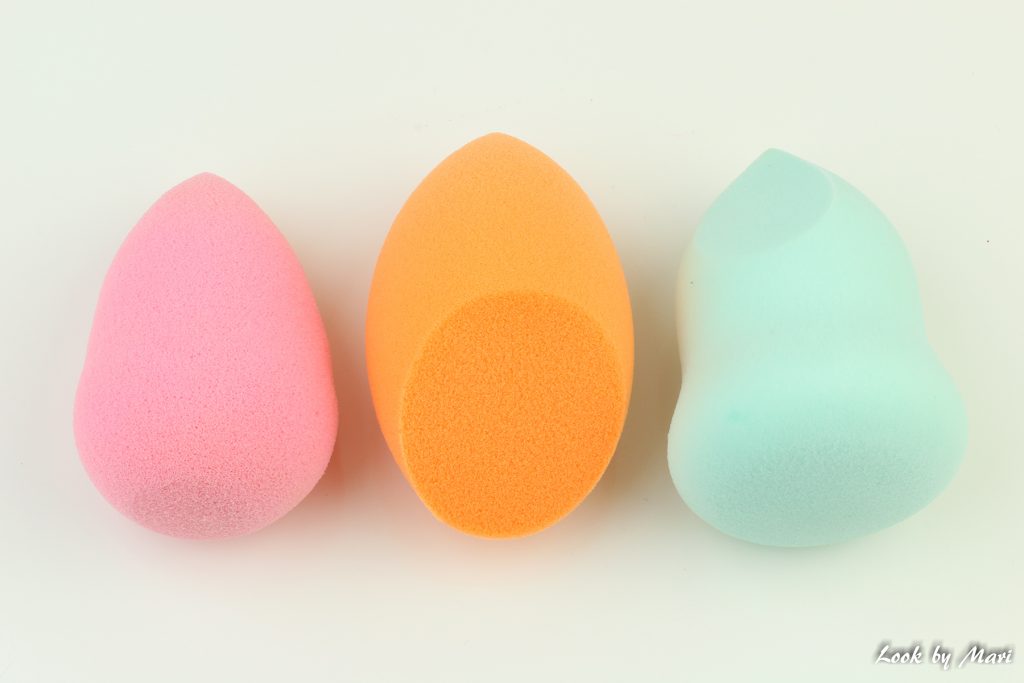
2.1 Beauty Blenders / Sponges
- Ideal for blending foundation, concealer, cream blush, or highlighter
- Use a damp sponge for a natural, dewy finish
- Tap or bounce the sponge on the skin, don’t swipe
Common Mistakes:
- Using dry sponges, which can absorb too much product
- Swiping instead of dabbing, causing streaks
- Not cleaning sponges regularly, which can harbor bacteria
2.2 Powder Puffs and Applicators
- Suitable for loose or pressed powders
- Patting motion is preferred over rubbing to set makeup evenly
Common Mistakes:
- Pressing too hard, removing foundation
- Using the same puff for multiple powders without cleaning
2.3 Dual-Ended Applicators
- Often found in eyeshadow palettes
- Soft end for blending, firm end for precise application
- Use each side only for its intended purpose
Common Mistakes:
- Using one side for multiple colors
- Applying excessive pressure, causing fallout
3. How Often Should You Clean Your Makeup Tools?
Cleaning makeup tools is crucial for hygiene and optimal performance. Dirty tools can harbor bacteria, clog pores, and interfere with blending.
3.1 Brush Cleaning Frequency
- Foundation, concealer, and cream product brushes: Wash 1–2 times per week
- Powder and blush brushes: Clean every 1–2 weeks
- Eyeshadow brushes: Clean every 1–2 weeks, or after heavy use of dark colors
3.2 Sponge Cleaning Frequency
- Daily: Rinse and gently squeeze with water after use
- Weekly: Deep clean with mild soap or brush cleanser
3.3 Cleaning Methods
- Use mild soap, baby shampoo, or dedicated brush cleansers
- Gently massage bristles to remove product
- Rinse thoroughly and reshape
- Air dry bristles facing downward to prevent water from weakening the handle
Common Mistakes:
- Skipping cleaning due to time constraints
- Using harsh detergents, which can damage bristles
- Drying brushes upright, causing water to seep into the ferrule
4. What Are Proper Application Techniques for Different Tools?
Knowing how to apply makeup with each tool ensures smooth, professional results.
4.1 Foundation and Concealer
- Use brush or sponge in a tapping or stippling motion
- Start at the center of the face and blend outward
- Build coverage gradually
4.2 Powder and Blush
- Tap off excess powder before applying
- Apply with gentle sweeping or circular motions
- Layer lightly for natural finish
4.3 Eyeshadow
- Apply base shades first with flat brush
- Blend crease and outer corners with fluffy brush
- Use smudger for eyeliner or smoky effects
4.4 Lip Products
- Outline lips with precision brush if using liner
- Fill in using light strokes from center to edges
- Blend edges for soft, natural finish
5. What Mistakes Are You Probably Making Without Knowing It?
Even experienced makeup users make subtle mistakes that affect results and hair/skin health.
5.1 Overloading Tools with Product
- Leads to cakey or streaky finish
- Wastes makeup
- Harder to blend
5.2 Using Wrong Brush for Formula
- Powder brushes on liquid foundation create streaks
- Dense cream blush brushes on powder products look patchy
5.3 Neglecting Cleaning
- Increases risk of breakouts, irritation, and infections
- Reduces brush performance and product payoff
5.4 Applying Too Much Pressure
- Damages brush bristles
- Causes uneven application and product buildup
5.5 Ignoring Tool Rotation
- Using the same brush for multiple products without cleaning
- Cross-contamination alters color and finish
5.6 Not Drying Properly
- Wet brushes and sponges harbor bacteria
- Can weaken handles and bristles
Conclusion: Can Correct Tool Usage Make a Real Difference?
Absolutely. Mastering brush, sponge, and applicator use, combined with regular cleaning and proper application techniques, drastically improves makeup results. Correct usage enhances blending, prevents breakouts, extends product life, and maintains the health of both tools and skin. Awareness of common mistakes—overloading, wrong tool selection, improper cleaning, and excessive pressure—ensures every makeup application looks smooth, professional, and natural.
By adopting proper routines, you can transform not only your daily makeup results but also your skin’s long-term health, making your tools an asset rather than a liability.