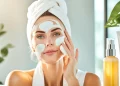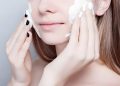









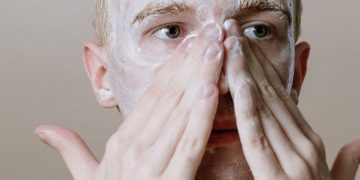

















Removing makeup might seem like a simple end-of-day task, but the method you choose can determine the health, clarity, and longevity of your skin. Correct makeup removal not only prevents clogged pores and breakouts but also strengthens your skin barrier, enhances product absorption, and helps maintain overall skin vitality. With countless cleansing products and techniques available, understanding the right approach is key. This comprehensive guide explores the importance of proper makeup removal, the science behind double cleansing, how to choose between micellar water and cleansing oils, ways to avoid irritation, and how to build the perfect nighttime routine for glowing, healthy skin.
The Importance of Effective Makeup Removal
Makeup, sunscreen, sebum, and pollution accumulate on the skin throughout the day. If not removed thoroughly, these impurities can cause:
- Clogged pores and blackheads
- Breakouts and inflammation
- Premature aging and dullness
- Impaired skin barrier function
- Reduced effectiveness of skincare products
Proper removal ensures the skin can breathe, repair, and regenerate overnight—a crucial process for maintaining youthful, healthy skin.
Double Cleansing: Why It Works
Double cleansing is a two-step method originating from Asian skincare routines. It ensures complete removal of both oil-based and water-based impurities.
Step 1: Oil-Based Cleanser
The first cleanse uses oils, balms, or oil-based liquid cleansers to dissolve:
- Waterproof mascara
- Long-wear foundation
- Sunscreen
- Excess sebum
- Stubborn pigments
How it works:
Oil attracts oil. When applied to dry skin, the oil cleanser binds with makeup and sebum, breaking them down without stripping the moisture barrier.
Step 2: Water-Based Cleanser
The second cleanse removes:
- Sweat
- Fine dust
- Water-soluble impurities
- Any residue from the first cleanse
This step ensures the skin is clean, fresh, and ready to absorb serums and moisturizers.
Benefits of Double Cleansing
- Deep yet gentle cleansing
- Improved skin texture
- Reduced congestion and breakouts
- Brighter, clearer complexion
- Enhanced product absorption
Double cleansing is especially beneficial for people who wear heavy makeup, use long-lasting sunscreen, or have oily or acne-prone skin.
Micellar Water vs. Cleansing Oils: Which Should You Choose?
With so many cleansers available, it’s important to understand how two popular options—micellar water and cleansing oils—differ and when to use each.
Micellar Water
Micellar water contains microscopic micelles (tiny cleansing droplets) suspended in soft water.
Best for:
- Light makeup
- Sensitive or reactive skin
- Quick cleansing or touch-ups
- Minimalist routines
Pros:
- Gentle and hydrating
- No-rinse (though rinsing is still recommended for thoroughness)
- Good for eye makeup removal when used with a cotton pad
Cons:
- Not as effective on waterproof or heavy makeup
- Cotton pad friction may irritate sensitive skin
Cleansing Oils and Balms
Oil cleansers dissolve heavy and waterproof makeup efficiently.
Best for:
- Full-coverage foundation
- Waterproof mascara
- Long-wear lip products
- Dry or combination skin
Pros:
- Very effective on stubborn makeup
- Nourishing and barrier-friendly
- Minimal rubbing required
Cons:
- May feel heavy for very oily skin
- Requires a second cleanse to remove residue
Which One Should You Use?
- For heavy makeup: use cleansing oils/balms
- For light makeup or sensitive skin: micellar water works well
- For a complete, deep cleanse: incorporate an oil cleanser as step one in double cleansing

Avoiding Irritation During Makeup Removal
Many people unknowingly damage their skin during cleansing. Here are key ways to avoid irritation:
1. Don’t Scrub or Tug
Aggressive rubbing—particularly around the eyes—can cause:
- Redness
- Broken capillaries
- Premature fine lines
- Lash loss
Use gentle pressure and let the product do the work.
2. Choose Suitable Ingredients
Avoid:
- Alcohol-heavy formulas
- Fragrances (common irritants)
- Harsh surfactants like sodium lauryl sulfate (SLS)
Look for soothing ingredients such as glycerin, ceramides, chamomile, aloe, or squalane.
3. Be Cautious with Waterproof Eye Makeup
Waterproof formulas require oil-based removers. Using only water-based cleansers can lead to excessive rubbing.
4. Patch Test New Products
Especially if you have:
- Sensitive skin
- Eczema
- Rosacea
- Allergy history
5. Use Lukewarm Water
Hot water strips natural oils and may cause irritation or redness.
Building the Perfect Nighttime Routine
Your nighttime skincare routine should support the skin’s natural repair process. Proper cleansing sets the foundation for everything that follows.
1. Step One: Makeup Removal
Use micellar water or an oil cleanser. Take time to dissolve makeup fully before rinsing or wiping away.
2. Step Two: Gentle Water-Based Cleanser
Choose a low-pH cleanser to avoid disrupting the skin barrier.
3. Step Three: Hydrating Toner or Essence
This helps replenish moisture lost during cleansing and prepares the skin for active ingredients.
4. Step Four: Serums
Depending on your needs:
- Hyaluronic acid for hydration
- Niacinamide for barrier support
- Retinol for anti-aging
- Salicylic acid for acne
5. Step Five: Eye Cream
Use a nourishing formula to protect the delicate eye area.
6. Step Six: Moisturizer
Locks in hydration and strengthens the skin barrier.
7. Step Seven: Optional Night Mask or Treatment
For extra nourishment, especially in dry or cold climates.
Routines for Different Skin Types
- Oily skin: Lightweight gel cleansers + oil-free moisturizers
- Dry skin: Creamy cleansers + rich moisturizers
- Sensitive skin: Minimal fragrances + soothing ingredients
- Combination skin: Balancing formulas without over-drying
Conclusion
Proper makeup removal isn’t just a cosmetic step—it’s a crucial part of maintaining healthy, radiant skin. Double cleansing ensures deep yet gentle removal of all impurities, micellar water offers a lightweight option for sensitive or low-makeup days, and cleansing oils effectively tackle stubborn products. By avoiding irritation and following a thoughtful nighttime routine, you help your skin repair, regenerate, and stay youthful. With the right habits, makeup removal becomes a powerful part of your overall skincare journey.