















Protective hairstyles have long been recognized as one of the most effective strategies for preserving hair strength, reducing daily wear and tear, and promoting healthy growth. Whether your hair is fine, thick, curly, coily, straight, or transitioning from damage, protective styling offers a way to shield strands from friction, environmental stress, and over-manipulation. But what exactly makes a hairstyle “protective,” and how can you choose or maintain one that genuinely reduces breakage?
This in-depth guide explores various protective styles, the difference between daily and overnight options, the role of supportive products, and tailored tips for every hair type. With the right approach, protective hairstyles can become a powerful part of your long-term hair health strategy.
1. What Types of Protective Hairstyles Can Reduce Breakage Most Effectively?
Protective styles work by keeping hair tucked away, preventing friction, reducing the need for heat styling, and minimizing exposure to humidity, UV rays, and pollutants. While some styles are simple enough for daily rotation, others are more long-lasting.
Braids
Braids are a classic protective style due to their versatility and ability to reduce manipulation.
Single Braids
Great for minimizing friction while maintaining movement.
Best for: All hair types, especially medium to long lengths.
Box Braids / Knotless Braids
Offer long-lasting protection when installed properly.
Best for: Curly and coily hair; not ideal for fine or fragile hair if too tight.
French or Dutch Braids
Tuck ends away and distribute tension evenly.
Best for: Straight, wavy, and curly hair.
Cornrows
Keep hair secure and reduce daily styling needs.
Best for: Curly and coily hair; should be installed loosely to avoid tension.
Buns
Buns are simple, elegant, and protective when done gently.
Low Buns
Reduce tension on the crown and edges.
Best for: All hair types.
Loose Top Knots
Work well for medium to long hair but should not be tight.
Best for: Thick or textured hair.
Braided Buns
Combine the benefits of braids and buns by reducing friction and keeping hair neatly tucked.
Updos
Updos keep hair off shoulders, reducing friction and breakage.
French Twist
Sophisticated and gentle when secured with soft pins.
Roll-and-Tuck Updos
Avoid tight elastics and protect ends.
Best for: Fragile and damaged hair.
Halo Braid Updo
A crown-like braid that protects both strands and ends.
Best for: Curly and coily hair.
2. What’s the Difference Between Daily and Overnight Protective Styles?
Choosing the right type of protective style depends not only on your hair type but also on your daily routine, sleeping habits, and hair-health goals. Daily and overnight protective styles serve different purposes.
Daily Protective Styles
These styles protect your hair throughout the day while still offering flexibility.
Advantages:
- Easy to install
- Compatible with work or school
- Prevent excessive touching and wind damage
- Reduce UV and pollution exposure
Examples:
- Low buns
- French braids
- Loose pony braid
- Halo twists
- Claw clip updos
Key Rule: Daily protective styles must be loose and comfortable. Tightness causes tension breakage and traction alopecia.
Overnight Protective Styles
While you sleep, your hair is vulnerable to friction from pillows. Overnight styles protect strands and lock in moisture.
Advantages:
- Prevent tangles and split ends
- Preserve curls or waves
- Reduce morning styling time
Examples:
- Satin-covered rollers
- Loose braids
- Pineapple updo (for curly hair)
- Two-strand twists
- Silk scarf hair wrap
Pairing overnight styles with satin pillowcases enhances protection.

3. What Products Support Protective Hairstyles and Prevent Breakage?
Protective styling isn’t just about how you arrange your hair—products play a major role in keeping strands hydrated, strong, and flexible.
Moisturizers
Hydration keeps hair pliable, preventing breakage when manipulated.
Look for:
- Cream moisturizers
- Hydrating milks
- Aloe or glycerin-based formulas
Oils and Sealants
These lock in moisture and reduce friction.
Most beneficial oils:
- Argan oil
- Jojoba oil
- Avocado oil
- Grapeseed oil
- Castor oil (for edges and thickness)
Tip: Avoid heavy oils on fine hair; choose lightweight serums instead.
Leave-In Conditioners
These offer hydration, slip, and softness—ideal before braiding or twisting.
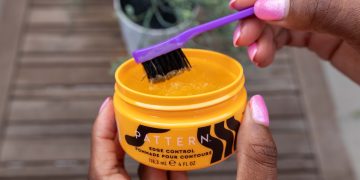
Edge Protectants
When wearing protective styles, edges are the most fragile area.
Use lightweight gels that don’t harden or flake.
Scalp Care Products
Healthy hair starts at the scalp.
Recommended:
- Scalp tonics
- Lightweight oils
- Anti-itch sprays (for long-term braided styles)
Tools That Support Protective Styling
- Satin scrunchies
- Claw clips (gentler than elastics)
- Seamless hair ties
- Silk headwraps
- Cushion hairpins
Avoid rubber bands at all costs—they cut into the hair shaft and cause instant breakage.
4. What Are the Best Protective Styling Tips for Every Hair Type?
Every hair type has unique characteristics that require different approaches. One protective style does not fit all.
For Fine or Thin Hair
- Choose loose styles to prevent strain
- Avoid heavy braids that pull on roots
- Use lightweight hydration (mists, light creams)
- Opt for low buns or soft braids
- Don’t sleep with tight hair ties
For Straight Hair
- Use small amounts of product to avoid slip
- Try French braids or low buns
- Secure with satin scrunchies
- Avoid overly tight ponytails
For Wavy Hair
- Try loose braids to preserve waves
- Use curl creams before styling
- Pineapple or scarf-wrap at night
For Curly Hair
- Hydrate generously before any protective style
- Use two-strand twists, loose braids, or buns
- Refresh moisture every 2–3 days
For Coily or Afro-Textured Hair
- Moisturize with creams and butters
- Use twists, cornrows, knotless braids, or updos
- Avoid styles too tight around the hairline
- Protect ends by fully tucking them in
- Use satin or silk overnight wraps daily
For Damaged or Fragile Hair
- Choose the loosest possible styles
- Avoid heavy extensions
- Use protein treatments weekly
- Air-dry before styling to avoid stretching wet hair
Conclusion: Can Protective Hairstyles Truly Reduce Breakage?
Absolutely—when done correctly. Protective hairstyles reduce friction, shield ends, prevent moisture loss, and limit manipulation. They give your hair the recovery time it needs to grow stronger, longer, and healthier.
The key is choosing the right style for your hair type, keeping it loose enough to avoid tension, moisturizing consistently, and balancing daily and overnight protection. When practiced regularly, protective styling becomes one of the most powerful tools for maintaining long-term hair health.