




Hair loss is one of the most common beauty concerns worldwide, affecting both men and women across different ages. While genetics and hormones often play major roles, the condition is influenced by numerous factors—from scalp health and lifestyle habits to diet and stress levels. The good news is: hair loss prevention is far more effective when addressed early, and scalp-focused treatments have become a crucial strategy for maintaining hair density and slowing shedding.
In this comprehensive guide, we’ll explore the causes of hair loss, the most effective professional scalp treatments, at-home care strategies, and dietary recommendations that support hair growth from within. Understanding and caring for your scalp is key to preserving long-term hair vitality.
1. What Are the Most Common Causes of Hair Loss?
Hair loss isn’t always caused by a single factor. Instead, it usually develops from a combination of internal and external influences. Recognizing the underlying cause is essential so that the right treatment can be chosen.
1.1 Genetic Factors
The most common cause is androgenetic alopecia, also known as pattern hair loss.
It affects:
- Men (receding hairline, crown thinning)
- Women (overall thinning on the top of the scalp)
Underlying issue: hair follicles shrink over time due to sensitivity to DHT (dihydrotestosterone).
1.2 Hormonal Imbalances
Hormones strongly influence hair growth cycles. Disruptions can occur due to:
- Thyroid disorders
- PCOS
- Pregnancy or postpartum changes
- Menopause
Hormonal fluctuations can shorten the growth phase and trigger shedding.
1.3 Stress and Emotional Strain
Chronic stress leads to telogen effluvium, which pushes hair follicles into resting phase prematurely.
Triggers include:
- High-pressure work
- Trauma
- Major life changes
- Prolonged anxiety
Hair may shed suddenly, typically 2–3 months after the stress event.
1.4 Nutritional Deficiencies
Lack of essential nutrients weakens hair follicles. Common deficiencies include:
- Iron
- Vitamin D
- Biotin
- Zinc
- Protein
Low-calorie diets and restrictive eating patterns also contribute.
1.5 Scalp Conditions
A healthy scalp is essential for healthy hair. Issues that contribute to shedding include:
- Dandruff (seborrheic dermatitis)
- Psoriasis
- Eczema
- Folliculitis
- Product buildup
Blocked follicles or inflammation disrupt the hair growth cycle.
1.6 Chemical and Physical Stress
Repeated strain can weaken the shaft and follicles:
- Overuse of dyes and bleach
- Frequent heat styling
- Tight hairstyles (traction alopecia)
- Harsh products
- Improper brushing
1.7 Environmental Factors
Pollution, UV exposure, and hard water can weaken the hair cuticle and scalp barrier, making hair more prone to breakage and thinness.
2. What Professional Scalp Treatments Are Effective for Hair Loss Prevention?
Professional treatments target the underlying causes of hair loss with advanced technology, medical-grade products, and expert assessment. These solutions are particularly effective when hair loss is in its early stages.
2.1 Scalp Exfoliation Treatments
These treatments remove buildup, dead skin, and excess oil, allowing follicles to breathe and improving absorption of growth serums.
Benefits:
- Reduces dandruff
- Minimizes scalp inflammation
- Improves circulation
- Encourages healthier growth
Common methods:
- Chemical exfoliants (salicylic acid)
- Mechanical exfoliation (microdermabrasion)
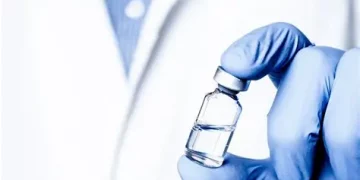
2.2 Platelet-Rich Plasma (PRP) Therapy
PRP uses the patient’s own blood plasma—rich in growth factors—to stimulate hair follicles.
How it works:
- Blood is drawn and spun in a centrifuge
- Growth-factor-rich plasma is injected into thinning areas
- Follicles are strengthened, and miniaturization slows
Typically performed monthly for 3–4 sessions before maintenance.
2.3 Low-Level Laser Therapy (LLLT)
Laser light devices stimulate cellular activity in hair follicles.
Benefits:
- Improves blood flow
- Prolongs hair growth phase
- Increases density and thickness
- Non-invasive and painless
Available in clinics and through FDA-cleared home devices.
2.4 Mesotherapy
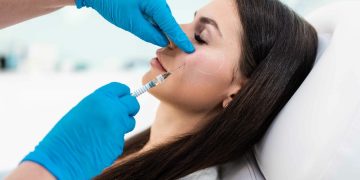
Small injections of vitamins, amino acids, and hair-growth boosters are delivered into the scalp.
Best for:
- Nutrient-deficiency-related hair thinning
- Early-stage hair loss
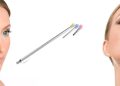
2.5 Microneedling for Hair Growth
Dermal rollers or automated pens create micro-injuries in the scalp, increasing collagen production and improving serum absorption.
Often combined with:
- Minoxidil
- Growth factor serums
- Peptides
2.6 Professional Strength Topicals
Dermatologists may prescribe:
- Minoxidil (Rogaine)
- Finasteride (for men)
- Ketoconazole shampoo
- Peptide-rich hair serums
These treatments slow follicle shrinkage and encourage new growth.
3. What At-Home Scalp Care Can Support Hair Loss Prevention?
Daily habits have a major impact on the scalp’s long-term health. At-home techniques help maintain a clean, balanced environment for follicles.
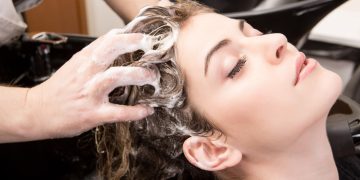
3.1 Scalp Massage
Regular scalp massage boosts microcirculation, providing follicles with nutrients and oxygen.
Tips:
- Use fingertips, not nails
- Apply light pressure
- Massage for 5–10 minutes daily
- Combine with nourishing oils (rosemary, peppermint, castor)
3.2 Anti-Hair Loss Shampoos
Look for ingredients such as:
- Caffeine
- Ketoconazole
- Saw palmetto
- Niacinamide
- Biotin
- Peptides
These reduce shedding and strengthen the root.
3.3 Gentle Cleansing Routine
Maintaining a clean scalp reduces irritation and buildup.
Suggestions:
- Wash 2–4 times weekly depending on your hair type
- Avoid sulfate-heavy shampoos
- Rinse thoroughly to prevent product residue
3.4 Oil Treatments
Oils nourish the scalp and strengthen the hair shaft.
Top oils:
- Coconut oil (proteins + hydration)
- Rosemary oil (clinically shown to support growth)
- Castor oil (rich in fatty acids)
- Jojoba oil (balances sebum production)
Apply weekly before washing.
3.5 Reducing Heat and Chemical Damage
At-home habits that protect hair:
- Use heat tools only 1–2 times weekly
- Apply heat protectant
- Avoid tight hairstyles
- Limit bleaching and harsh color treatments
3.6 Improving Sleep and Stress Levels
Stress directly impacts shedding.
Helpful practices:
- Meditation
- Deep breathing
- Avoiding screens before bed
- Establishing consistent sleep schedules
4. What Dietary Choices Support Scalp Health and Prevent Hair Loss?
The scalp needs proper nourishment to produce strong, resilient hair. Diet plays a major role in maintaining hair density and preventing early shedding.
4.1 Protein-Rich Foods
Hair is made of keratin, a protein.
Include:
- Eggs
- Chicken
- Beans
- Greek yogurt
- Fish
4.2 Iron Sources
Iron deficiency is a leading cause of female hair loss.
Include:
- Spinach
- Red meat
- Lentils
- Pumpkin seeds
- Tofu
Pair iron with vitamin C to improve absorption.
4.3 Omega-3 Fatty Acids
Supports scalp hydration and reduces inflammation.
Found in:
- Salmon
- Sardines
- Walnuts
- Flaxseeds
- Chia seeds
4.4 Vitamin D
Low vitamin D levels are linked to shedding.
Sources:
- Sunlight
- Fortified milk
- Eggs
- Supplements (if medically recommended)
4.5 Zinc
Supports cell turnover and scalp healing.
Sources:
- Nuts
- Whole grains
- Shellfish
4.6 Biotin and B Vitamins
Improve hair strength and reduce breakage.
Include:
- Whole grains
- Almonds
- Leafy greens
- Avocados
4.7 Hydration
A well-hydrated scalp reduces dryness, flakiness, and irritation.
Drink at least 6–8 glasses of water daily.
Conclusion: Can Scalp Treatments Truly Prevent Hair Loss?
When addressed early, yes—scalp treatments can significantly slow hair loss, strengthen follicles, and support long-term density. Professional treatments offer advanced solutions, while daily at-home care and dietary habits build a solid foundation for healthier growth.
The best approach combines:
- Understanding the cause
- Using professional treatments (PRP, laser therapy, microneedling)
- Practicing consistent scalp care at home
- Nourishing the body through a balanced diet
By supporting your scalp both internally and externally, you can maintain stronger, fuller hair for years to come.