



























Understanding your skin type is the cornerstone of effective skincare. Whether your skin is dry, oily, combination, or sensitive, recognizing its needs ensures that every product you choose works in harmony with your skin instead of against it. Misidentifying your skin type can lead to breakouts, dryness, irritation, or dullness—problems that could easily be avoided with the right knowledge. This comprehensive guide explores the signs and tests for determining your skin type, the products best suited for each, how seasonal changes can affect your skin, and how to build a personalized routine that keeps your complexion balanced, healthy, and radiant all year round.
How to Identify Your Skin Type: Signs and Simple At-Home Tests
Skin type is largely determined by genetics, but environmental factors, lifestyle, and hormones also play a role. The four most common skin types are dry, oily, combination, and sensitive—each with distinct characteristics.
1. Dry Skin
Signs:
- Tight or rough-feeling skin
- Flakiness or peeling
- Dull complexion
- Fine lines more visible
- Rarely experiences shine
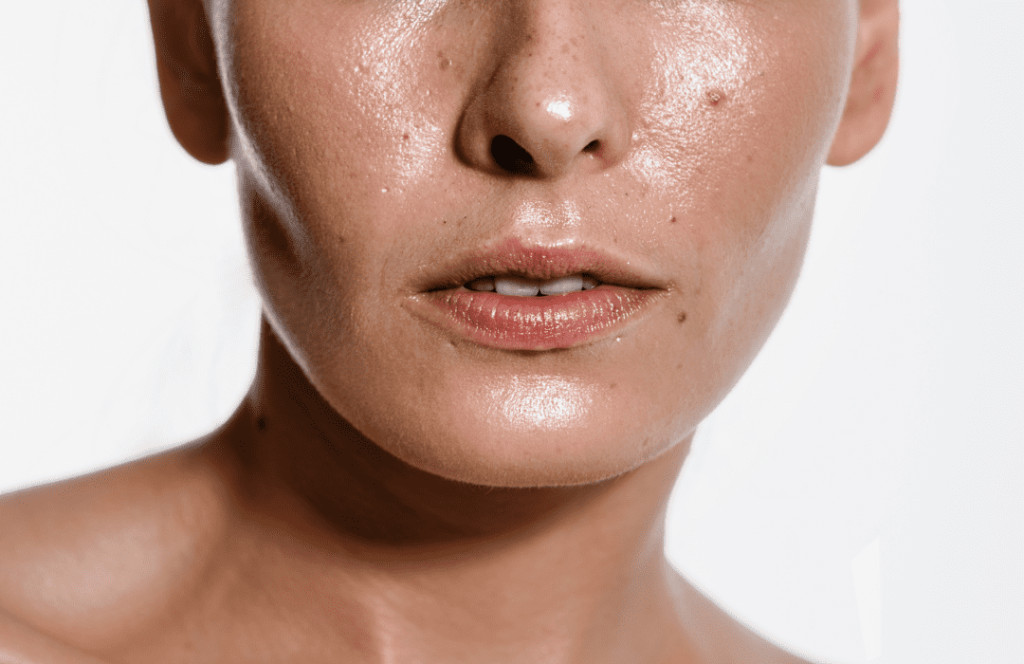
2. Oily Skin
Signs:
- Noticeable shine, especially on T-zone (forehead, nose, chin)
- Enlarged pores
- Prone to blackheads and breakouts
- Makeup may slide off easily
3. Combination Skin
Signs:
- Oily T-zone but dry or normal cheeks
- Occasional breakouts in oily areas
- Pores more visible in the T-zone only
4. Sensitive Skin
Signs:
- Redness
- Easily irritated by fragrances, acids, or harsh products
- Burning, stinging, or itching sensations
- Often linked with rosacea, eczema, or allergies
At-Home Skin Type Tests
The Bare-Face Test
- Cleanse your face with a gentle cleanser.
- Do not apply any skincare products.
- Wait 1–2 hours and observe.
Results Interpretation:
- Shiny overall → oily skin
- Tight, flaky, or rough → dry skin
- Shiny T-zone only → combination skin
- Red, itchy, or burning sensations → sensitive skin
The Blotting Sheet Test
- Press blotting papers on different areas of your face.
- Hold sheets up to a light.
Results Interpretation:
- Oil in all areas → oily skin
- Little to no oil → dry skin
- Oil only in T-zone → combination skin
- Minimal oil but visible redness → sensitive skin
The Touch Test
- Rough and uneven texture often indicates dryness.
- Smooth but slick areas suggest oiliness.
- Easily flushed or irritated areas suggest sensitivity.
Choosing the Right Products for Your Skin Type
Each skin type has specific needs. Using products tailored to your type keeps your skin balanced, comfortable, and healthy.
Products for Dry Skin
Goal: Restore moisture and strengthen the skin barrier.
Best Ingredients:
- Hyaluronic acid
- Ceramides
- Squalane
- Glycerin
- Shea butter
- Fatty acids
Recommended Products:
- Creamy or milk-based cleansers
- Rich moisturizers or balms
- Hydrating serums
- Facial oils
- Barrier-repair creams
Avoid:
- Harsh exfoliants
- High-alcohol formulas
- Foaming cleansers
- Overuse of retinoids
Products for Oily Skin
Goal: Control excess sebum without over-drying.
Best Ingredients:
- Salicylic acid (BHA)
- Niacinamide
- Clay (kaolin or bentonite)
- Lightweight gel moisturizers
- Oil-free formulations
Recommended Products:
- Gel or foam cleansers
- Oil-free moisturizers
- Mattifying sunscreens
- BHA exfoliants
- Clay masks
Avoid:
- Heavy creams
- Comedogenic ingredients
- Over-washing (this increases oil production)
Products for Combination Skin
Goal: Balance oily and dry zones.
Best Ingredients:
- Hyaluronic acid
- Niacinamide
- Lightweight lotions
- Oil-controlling products for the T-zone
Recommended Products:
- Gentle gel cleansers
- Lightweight moisturizers
- Spot treatments for oily areas
- Multi-masking (clay for T-zone, cream mask for cheeks)
Avoid:
- Overly rich products
- Stripping cleansers
Products for Sensitive Skin
Goal: Soothe irritation and strengthen the barrier.
Best Ingredients:
- Ceramides
- Colloidal oatmeal
- Aloe vera
- Centella asiatica (cica)
- Madecassoside
- Fragrance-free formulas
Recommended Products:
- Ultra-gentle, low-pH cleansers
- Fragrance-free moisturizers
- Barrier repair creams
- Soothing hydrating serums
Avoid:
- Alcohol-heavy formulas
- Harsh acids
- Scrubs
- Essential oils (potential irritants)
Seasonal Adjustments for Each Skin Type
Your skin type may stay the same, but its needs change with the seasons. Adapting your routine helps prevent seasonal issues like winter dryness or summer oiliness.
Dry Skin Adjustments
- Winter: Use richer creams, facial oils, and humidifiers
- Summer: Switch to lighter moisturizers but keep hydrating serums
Oily Skin Adjustments
- Winter: Use gel moisturizers but avoid skipping hydration
- Summer: Increase exfoliation (2–3x weekly) and use mattifying products
Combination Skin Adjustments
- Winter: Soften dry zones with richer creams
- Summer: Balance oil with lightweight gel moisturizers and targeted mattifying
Sensitive Skin Adjustments
- Winter: Strengthen barrier with ceramide-rich creams
- Summer: Avoid overheating and use calming, fragrance-free formulas
Building the Right Routine for Your Skin Type
A consistent routine is more important than a complex one. Focus on the essentials first, then add treatments as needed.
Step-by-Step Routine for Dry Skin
Morning:
- Gentle creamy cleanser
- Hydrating toner
- Hyaluronic acid serum
- Rich moisturizer
- Sunscreen
Night:
- Oil cleanser
- Creamy cleanser
- Nourishing serum (ceramides, squalane)
- Rich night cream or sleeping mask
Step-by-Step Routine for Oily Skin
Morning:
- Gel cleanser
- Niacinamide serum
- Lightweight gel moisturizer
- Oil-control sunscreen
Night:
- Oil cleanser (yes, oily skin benefits too!)
- Foam cleanser
- BHA exfoliant (2–3x weekly)
- Light moisturizer
Step-by-Step Routine for Combination Skin
Morning:
- Gentle gel cleanser
- Hydrating toner
- Lightweight moisturizer
- Sunscreen
Night:
- Oil or micellar cleanser
- Gel cleanser
- Light serum
- Moisturize dry zones only
Step-by-Step Routine for Sensitive Skin
Morning:
- Ultra-gentle cleanser
- Soothing toner (alcohol-free)
- Barrier serum
- Fragrance-free moisturizer
- Mineral sunscreen
Night:
- Micellar water
- Gentle cleanser
- Calm serum (cica, oatmeal)
- Barrier cream
Conclusion
Understanding your skin type empowers you to choose products that complement your skin’s natural behavior. By identifying signs, taking simple at-home tests, and selecting products tailored to your needs, you can avoid irritation, prevent breakouts, and strengthen your skin barrier. Seasonal adjustments keep your routine flexible, while targeted product selection ensures your skin stays balanced and healthy year-round. When you know your skin type and care for it properly, your skincare routine becomes more effective, efficient, and rewarding.