



















Makeup brushes are the unsung heroes of beauty. Even the best products can look streaky, uneven, or muddy when applied with low-quality or mismatched tools. On the other hand, a thoughtfully curated set of brushes can elevate an everyday routine to a polished, airbrushed finish. But with so many types, materials, shapes, and sizes available, choosing the right brushes can feel overwhelming—especially when each one serves a unique function.
This guide breaks down everything you need to know: brush types, their precise uses, how to clean and care for them, and when to replace them. Understanding these fundamentals ensures you build a brush collection that suits your skill level, makeup style, and budget—while maximizing performance and longevity.
1. What Types of Makeup Brushes Do You Actually Need?
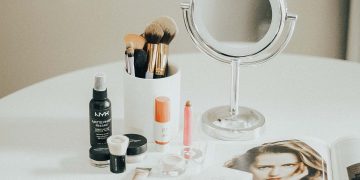
Makeup brushes fall into a few main categories—face, eye, and detail tools. While some people love owning dozens, most routines only require a curated selection. Knowing the types helps you avoid unnecessary purchases and build a functional, balanced set.
● Face Brushes
These brushes handle larger areas of the face and work with complexion products.
1. Foundation Brush
Two main types:
- Flat foundation brush: Good for building coverage but can leave streaks.
- Kabuki/dense buffing brush: Ideal for even, seamless blending and natural finishes.
Choose based on your preferred foundation texture:
- Liquid/cream → dense buffing brush
- Stick foundation → kabuki or angled brush
- Full coverage → flat paddle or stippling brush
2. Powder Brush
Large, fluffy, soft brushes distribute loose or pressed powders evenly.
Best for:
- Setting makeup
- Applying finishing powder
- Dusting bronzer lightly
3. Blush Brush
Medium-sized, soft, rounded or angled brushes deposit color gently.
Rounded = softer diffused finish
Angled = targeted cheekbone placement
4. Bronzer Brush
Bigger than blush brushes; often dome-shaped.
Used for:
- Sweeping bronzer without harsh lines
- All-over warmth
5. Contour Brush
Dense, angled, or narrow brushes that allow precision.
Ideal for:
- Sculpting cheekbones
- Defining jawline or nose
6. Highlight Brush
Usually small and tapered.
Perfect for:
- Applying shimmer softly
- Controlling intensity on cheekbones, nose, brow bone
7. Stippling Brush
Dual-fiber brushes that give an airbrushed finish.
Use for:
- Sheer foundations
- Blending cream blush
- Soft-focus bronzer
● Eye Brushes
1. Flat Shader Brush
Packs color onto the lids with precision. Useful for metallics and cream shadows.
2. Blending Brush
Soft, fluffy, and essential for every eye look.
Used for:
- Seamless crease blending
- Smoky effects
- Softening harsh lines
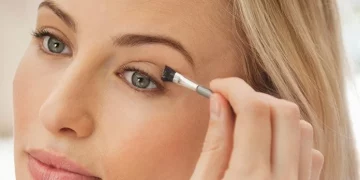
3. Pencil Brush
Small and pointed for detail work.
Used for:
- Lower lash line
- Inner corner
- Precise crease shading
4. Angled Eyeliner or Brow Brush
Firm and thin for sharp lines.
Used for:
- Brow sculpting
- Gel or powder eyeliner
- Winged liner effects
5. Smudger Brush
Short, dense brush for smoky liner looks.
● Lip and Detail Brushes
Lip Brush
Provides precision for dark or bright lip colors.
Detail Spot Brush
For concealing small blemishes or adding tiny highlights.
2. How Should You Use Each Makeup Brush for Best Results?
The real magic comes from using each brush correctly. Technique transforms application.
● Face Brush Techniques
Foundation
- Use circular motions with a buffing brush for natural finishes.
- Use tapping motions with a flat brush for high coverage.
Powder
- Use light sweeping motions with a fluffy brush.
- Avoid pressing hard—too much powder settles into fine lines.
Blush
- Smile gently and apply in circular motions on the apples.
- For angled brushes: sweep upward toward the temples.
Bronzer
- Use a large brush and create a “3-shape” along the forehead–cheeks–jaw.
Contour
- Lightly press and sweep the brush under cheekbones.
- Blend upward, never downward.
Highlight
- Use a tapping motion to avoid disturbing underlying makeup.
● Eye Brush Techniques
Lid application
- Flat shader brush → press, don’t sweep, for maximum pigment.
Crease blending
- Use windshield-wiper motions with a soft blending brush.
Lower lash line
- Use a pencil or smudger brush for smoky definition.
Brow and liner
- Use angled brushes with short strokes for natural hair-like lines.
● Lip Brushes
- Outline first, fill later.
- Lip brushes extend wear and perfect edges for bold shades.
3. What Are the Ideal Cleaning Habits for Makeup Brushes?
Clean brushes are essential—not just for hygiene but also for performance and skin health.
Dirty brushes cause:
- Breakouts
- Patchy application
- Product buildup
- Bacterial contamination
● Daily Quick Clean
Use:
- Brush cleaning sprays
- Quick-drying alcohol-based cleaners
Spray, wipe on a tissue, and let dry for a few seconds.
● Weekly Deep Clean
Steps:
- Wet only the bristles (avoid ferrule and handle).
- Use gentle shampoo or brush cleanser.
- Massage lightly.
- Rinse until water runs clear.
- Reshape bristles.
- Dry brushes flat, never upright, to avoid water loosening glue.
● Monthly Disinfection
Use diluted alcohol or antibacterial sprays on synthetic brushes.
4. When Should You Replace Your Makeup Brushes?
Brushes don’t last forever—even high-end ones. Knowing when to replace them ensures optimal makeup results.
Signs It’s Time to Replace a Brush
- Bristles are shedding excessively.
- Brush has lost shape or fluffiness.
- It becomes scratchy or rough.
- The ferrule loosens or rattles.
- Stains won’t wash out and performance decreases.
- Persistent odor remains even after cleaning.
Average Lifespan
- High-quality synthetic brushes: 2–5 years
- Natural hair brushes: 1–3 years depending on care
- Eye brushes: often last longer due to less product buildup
When NOT to replace
- If it’s just misshaped—try reshaping while damp.
- If shedding is minimal—some shedding is normal for new brushes.
Final Thoughts
Choosing the right makeup brushes is less about buying a huge set and more about understanding what each tool does. When you know the types of brushes, how to use them, how to maintain them, and when to retire them, your makeup game improves instantly.
Your brush collection should match your makeup style, lifestyle, and comfort—not someone else’s routine. With the right tools, even simple products can deliver a polished, professional finish.