


















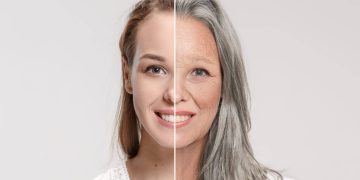




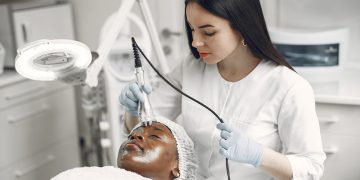
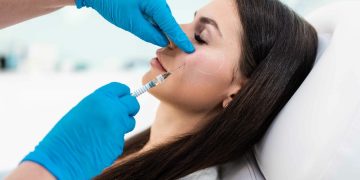

The pursuit of youthful, radiant skin has driven decades of innovation in the aesthetic industry. While dermal fillers have long dominated the market, a newer class of injectable treatments—biostimulators—is redefining anti-aging strategies. Unlike traditional fillers, which primarily add volume, biostimulators work by stimulating the body’s natural collagen production, promoting gradual and long-lasting rejuvenation.
In this comprehensive guide, we’ll explore what biostimulators are, review popular treatments such as Sculptra and Radiesse, compare their benefits to conventional fillers, examine their role in long-term collagen stimulation, and discuss which patients are best suited for these innovative treatments.
1. What Are Injectable Biostimulators?
Injectable biostimulators are a category of minimally invasive treatments designed not just to fill lines or restore volume, but to activate the skin’s natural regenerative processes. They work by triggering fibroblasts, the cells responsible for collagen production, which gradually rebuilds the dermal matrix.
How They Work
- Stimulation of Collagen: Biostimulators act as scaffolds in the dermis, encouraging new collagen formation.
- Gradual Results: Unlike fillers that produce immediate volume, biostimulators provide a subtle, progressive improvement over weeks to months.
- Long-Lasting Effects: As the body’s collagen regenerates, results can persist for up to 2–3 years or more, depending on the product and patient.
This mechanism makes biostimulators ideal for patients seeking natural rejuvenation rather than instant but temporary changes.
2. What Are the Most Popular Injectable Biostimulators?
Several biostimulators are widely used in clinical practice. Two of the most recognized are Sculptra and Radiesse.
A. Sculptra (Poly-L-Lactic Acid, PLLA)
- Mechanism: Stimulates fibroblasts to produce new collagen gradually
- Indications: Facial volume loss, deep folds, hollow temples, and subtle lifting
- Results: Appear progressively over 2–4 months
- Longevity: Typically lasts 2–3 years with maintenance treatments
B. Radiesse (Calcium Hydroxylapatite, CaHA)
- Mechanism: Provides immediate volume via microspheres and stimulates collagen production over time
- Indications: Nasolabial folds, marionette lines, jawline contouring, and hands
- Results: Immediate correction with ongoing improvement as collagen develops
- Longevity: Results often persist 12–18 months, sometimes longer
C. Emerging Biostimulators
- Other formulations, often region-specific or newer on the market, include polycaprolactone (PCL)-based products that provide scaffold-based collagen stimulation.
Each biostimulator has unique properties and is selected based on treatment goals, anatomical location, and patient characteristics.
3. How Do Biostimulators Compare to Traditional Dermal Fillers?
While both biostimulators and fillers are injectables, their mechanisms, results, and long-term effects differ significantly.
A. Dermal Fillers
- Immediate correction of volume loss and wrinkles
- Usually composed of hyaluronic acid or synthetic polymers
- Effects last from 6–18 months, depending on the product
- Primarily “substitute” volume without regenerating tissue
B. Biostimulators
- Gradual, natural improvement by stimulating collagen production
- Results are progressive and long-lasting
- Can improve skin quality over time, not just volume
- Often requires multiple sessions for optimal effect
C. Complementary Use
Many practitioners combine fillers with biostimulators for a dual approach:
- Fillers provide immediate lift and volume
- Biostimulators enhance skin structure and maintain results
This strategy offers both instant gratification and long-term skin health.
4. How Do Biostimulators Promote Long-Term Collagen Stimulation?
Collagen is the structural protein that maintains skin firmness and elasticity. With age, collagen production decreases, leading to wrinkles, sagging, and volume loss. Biostimulators act as a catalyst for collagen regeneration.
Mechanisms of Action
- Fibroblast Activation: The injected biostimulator triggers fibroblast proliferation in the dermis.
- Extracellular Matrix Formation: New collagen fibers form a natural scaffold under the skin.
- Gradual Remodeling: Over months, this strengthens the dermal architecture, improving elasticity and skin thickness.
Advantages
- Natural appearance due to progressive results
- Reduced risk of overcorrection compared to high-volume fillers
- Enhances skin quality, not just shape or volume
This long-term effect makes biostimulators especially suitable for preventive or early intervention treatments.
5. Who Are the Best Candidates for Biostimulators?
Not every patient is ideal for biostimulators, and proper assessment is key.
Ideal Candidates
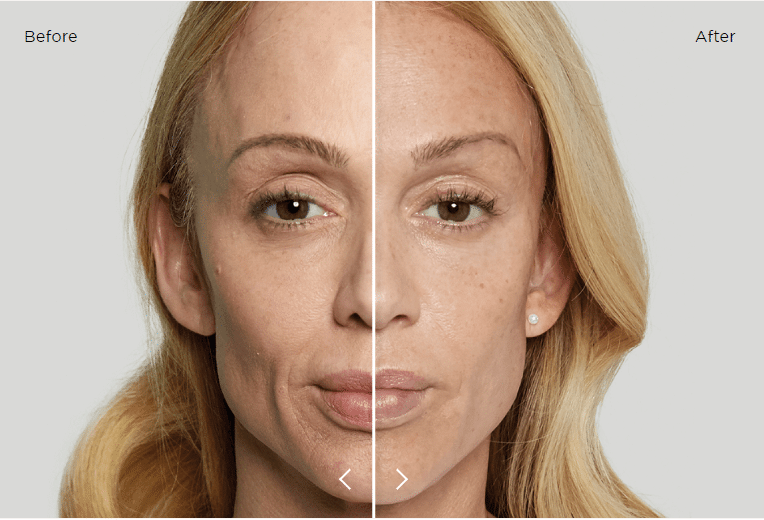
- Aging Adults with Mild to Moderate Volume Loss: Especially those noticing early folds, temple hollows, or marionette lines.
- Patients Seeking Gradual, Natural-Looking Results: Those preferring subtle improvement over immediate dramatic changes.
- Individuals Looking for Collagen Stimulation: Patients wanting not only volume but improved skin texture and firmness.
Considerations
- Age: Generally effective for adults aged 30–65
- Skin Quality: Works best on patients with reasonably healthy skin; severe laxity may require additional interventions
- Expectation Management: Biostimulators are not instant; patients should expect gradual improvement over several weeks
Not Ideal
- Patients seeking immediate, dramatic correction
- Those with active autoimmune conditions or hypersensitivity to product components
- Individuals with unrealistic aesthetic expectations
6. Treatment Planning and Maintenance
Biostimulators typically require a series of sessions to achieve optimal results.
Treatment Schedule
- Sculptra: Usually 2–3 sessions spaced 4–6 weeks apart
- Radiesse: Often single session with optional touch-up at 3–6 months
Maintenance
- Touch-ups may be required every 1–2 years, depending on aging progression and individual metabolism
- Combining with lifestyle measures—hydration, sun protection, and topical antioxidants—can prolong results
Post-Treatment Care
- Avoid massaging or applying pressure to treated areas for 24–48 hours
- Gentle skincare and sun protection
- Monitor for mild swelling or redness, which usually resolves within a few days
7. Final Thoughts: Why Are Biostimulators the Future of Anti-Aging?
Injectable biostimulators represent a paradigm shift in anti-aging aesthetics, moving from temporary volume replacement toward long-term tissue regeneration.
Key advantages include:
- Gradual, natural results
- Long-term collagen stimulation
- Reduced risk of overcorrection
- Complementary to other injectable treatments
For patients seeking a sustainable approach to facial rejuvenation, biostimulators offer both aesthetic enhancement and structural improvement. As research and innovation continue, these treatments are poised to become a cornerstone of personalized, future-focused anti-aging strategies.