




















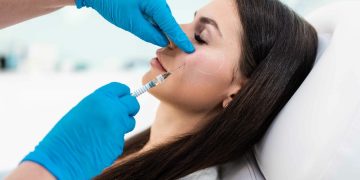

Collagen is the foundation of youthful, resilient skin, providing structure, firmness, and elasticity. As we age, collagen production naturally declines, leading to wrinkles, sagging, and loss of volume. Modern aesthetic medicine has increasingly focused on stimulating collagen regeneration to slow and even partially reverse these effects, offering natural-looking, long-lasting results without the need for invasive surgery.
In this detailed exploration, we examine how collagen declines with age, the treatments available to restore it, age-related considerations, strategies for combining treatments, and long-term maintenance for optimal skin health.
1. How and Why Does Collagen Decline With Age?
Collagen is a protein that forms a network of fibers in the dermis, providing structural support to the skin. Multiple factors contribute to its decline:
A. Natural Aging
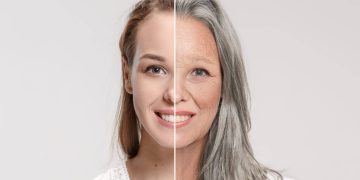
- Collagen production peaks in early adulthood and decreases roughly 1–2% per year after age 25.
- This reduction leads to thinner, less elastic skin, contributing to fine lines, wrinkles, and sagging.
B. Sun Exposure (Photoaging)
- UV radiation damages collagen fibers and generates free radicals that break down the protein.
- Chronic sun exposure accelerates signs of aging, especially on the face, neck, and hands.
C. Lifestyle Factors
- Smoking, poor nutrition, alcohol consumption, and chronic stress reduce collagen synthesis.
- Inadequate hydration also affects collagen integrity, resulting in loss of firmness and suppleness.
D. Hormonal Changes
- Decreased estrogen in women during menopause significantly reduces collagen levels, affecting skin thickness and elasticity.
Understanding these mechanisms underscores the importance of interventions that stimulate natural collagen regeneration to maintain youthful skin structure.
2. What Treatments Restore or Stimulate Collagen?
Modern aesthetics offers multiple methods to enhance collagen production, ranging from topical agents to injectables and energy-based devices.
A. Topical Treatments
- Retinoids (Retinol, Tretinoin): Promote collagen synthesis by increasing fibroblast activity and accelerating cellular turnover.
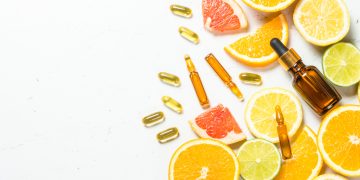
- Vitamin C (Ascorbic Acid): Essential for collagen formation; antioxidants protect existing collagen from free radical damage.
- Peptides: Short amino acid chains that signal fibroblasts to produce collagen.
While effective, topical treatments provide gradual improvements and are best used in combination with in-office procedures for noticeable results.
B. Injectable Biostimulators
- Sculptra (Poly-L-Lactic Acid): Stimulates fibroblasts to produce new collagen, gradually restoring facial volume.
- Radiesse (Calcium Hydroxylapatite): Provides immediate volume and stimulates collagen remodeling over months.
- Advantages: Progressive, natural-looking results, lasting 1–3 years depending on the product.
Biostimulators are particularly useful for patients seeking long-term structural improvement rather than immediate correction alone.
C. Dermal Fillers With Collagen-Stimulating Properties
- Certain fillers (like PLLA or CaHA-based) not only restore volume but also encourage collagen regeneration around the injection site.
- Ideal for moderate volume loss and subtle facial contouring.
D. Energy-Based Devices
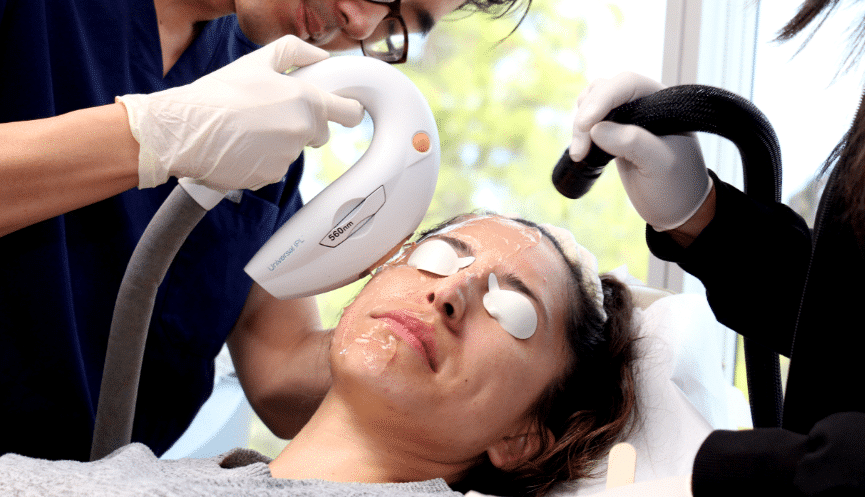
- Radiofrequency (RF): Heats dermal layers, stimulating fibroblasts and collagen production, while tightening the skin.
- Ultrasound (HIFU): Focused energy targets deep dermis, promoting tissue remodeling and lifting effects.
- Fractional Lasers: Microthermal injury induces collagen repair, improving texture, firmness, and pigmentation.
These treatments can be customized to address specific areas like the jawline, neck, or periorbital region.
E. Microneedling
- Creates controlled micro-injuries that trigger the body’s healing response, increasing collagen and elastin synthesis.
- Often combined with topical growth factors or platelet-rich plasma (PRP) for enhanced regenerative effects.
3. How Does Age Affect Collagen Restoration Strategies?
Collagen-focused treatments should be tailored to the patient’s chronological and biological age, as well as the degree of skin aging.
A. 20s–30s
- Focus: Prevention
- Strategy: Topical antioxidants, sunscreen, and early retinoid use
- Goal: Maintain collagen production and prevent early lines
B. 30s–40s
- Focus: Early signs of volume loss and fine lines
- Strategy: Combination of topical treatments, microneedling, and mild biostimulators
- Goal: Support natural collagen while correcting subtle aging changes
C. 50s and Beyond
- Focus: Significant collagen depletion, skin laxity, and deep wrinkles
- Strategy: Biostimulators, RF/ultrasound devices, fractional lasers, and strategic fillers
- Goal: Structural restoration, firmness, and improved skin quality
Note: Older patients may require a longer treatment course and combination approaches to achieve optimal results.
4. Why Is Combining Treatments Effective for Collagen Regeneration?
Collagen loss is multifactorial, so multi-modal approaches often yield the best results.
Examples of Combination Strategies
- Microneedling + PRP: Enhances collagen synthesis while improving texture and tone
- RF + Fillers: Tightens skin while restoring volume
- Topical Retinoids + Energy-Based Devices: Prepares skin for stimulation and prolongs treatment benefits
Benefits of Combination Therapy
- Addresses multiple layers of aging (dermis, subcutaneous tissue, and surface skin)
- Provides both immediate and long-term improvements
- Allows lower intensity per treatment, reducing downtime and risk
5. How Can Long-Term Maintenance Support Collagen Health?
Collagen regeneration is an ongoing process; long-term maintenance ensures sustained benefits.
A. Consistent Skincare Routine
- Daily sunscreen use to protect existing collagen
- Topical retinoids and antioxidants to support ongoing synthesis
B. Lifestyle Measures
- Balanced diet rich in protein, vitamin C, and zinc
- Adequate hydration
- Limiting smoking, alcohol, and excessive sun exposure
C. Periodic In-Office Treatments
- Follow-up sessions with energy devices, microneedling, or biostimulators
- Touch-ups help maintain volume, lift, and firmness over time
D. Monitoring and Adjustment
- Skin aging is individual; treatment plans should be adapted periodically
- Early intervention and preventive strategies can slow age-related collagen loss
6. Final Thoughts: Why Collagen Regeneration Is Central to Modern Aesthetics
Collagen is the cornerstone of youthful skin, and modern aesthetic medicine has shifted from purely corrective approaches to regenerative strategies. By stimulating natural collagen production, patients can achieve long-lasting, natural results that improve texture, tone, and structural integrity.
Whether through topical agents, injectables, microneedling, or energy-based devices, a personalized, age-appropriate treatment plan offers the best outcomes. Combining modalities and prioritizing long-term maintenance ensures that the benefits of collagen regeneration extend far beyond a single session, helping patients maintain healthy, resilient, and youthful-looking skin for years to come.