



























Skin is a living organ that responds constantly to its environment. As temperatures rise or drop and humidity shifts from moist to dry, your skin experiences changes that influence hydration levels, oil production, sensitivity, and barrier function. This is why using the same skincare products year-round often leads to breakouts, dullness, irritation, or dehydration. Seasonal skincare adjustments aren’t just beneficial—they are essential.
In this in-depth guide, we explore how weather impacts your skin, how to adapt your cleanser and moisturizer choices for each season, how sunscreen priorities shift year-round, and how to protect sensitive skin from seasonal triggers. By understanding each season’s unique demands, you can maintain healthy, hydrated, and resilient skin no matter the time of year.
1. How Do Temperature and Humidity Affect Your Skin?
Environmental conditions directly influence the moisture balance and function of the skin barrier. Each season brings a different set of challenges:
Spring: Moderate Weather, High Allergen Levels
- Humidity increases slightly
- Skin may still be recovering from winter dryness
- Allergens and pollen can trigger irritation, redness, and flare-ups
Summer: Heat + High Humidity
- Skin produces more oil and sweat
- Pores become more clogged
- Higher UV exposure increases risk of sun damage
- Dehydration from high temperatures is common
Fall: Transition from Warm to Cold
- Humidity drops noticeably
- Skin may feel tight or dry
- Barrier begins to weaken as air becomes drier
- Seasonal stress can lead to dullness and sensitivity
Winter: Cold Temperatures + Low Humidity + Indoor Heating
- Skin loses moisture rapidly
- Barrier is at its weakest
- Flaking, cracking, and irritation are common
- Sensitive skin becomes more reactive
Recognizing these patterns allows you to adapt products before your skin reacts negatively.
2. How Should You Adjust Your Cleanser Each Season?
Cleansers influence the skin’s pH and barrier condition more than many people realize. Changing them seasonally helps maintain balance.
Spring Cleansers
Choose gentle, hydrating formulas to compensate for lingering winter dryness.
Ideal types:
- Cream cleansers
- Hydrating gels
- Low-surfactant formulas
If you experience spring allergies, avoid fragranced cleansers that may trigger sensitivity.
Summer Cleansers
Summer often requires a more thorough cleansing approach to remove sunscreen, sweat, and excess oil.
Ideal types:
- Gel cleansers
- Foaming (low-pH) cleansers
- Double cleansing (oil first, then gel)
If you’re acne-prone, summer may be the season to introduce salicylic acid (BHA) cleansers.
Fall Cleansers
As air dries out, cleansing should become softer and less stripping.
Ideal types:
- Milky or cream cleansers
- Hydrating gel cleansers
- Balms for night use
This transition helps prepare your skin for the harshness of winter.
Winter Cleansers
Winter cleansing demands deep gentleness and barrier protection.
Ideal types:
- Cream cleansers rich in lipids
- Cleansing balms or oils
- Non-foaming hydrating cleansers
Avoid harsh surfactants and clarifying cleansers that remove natural oils your skin desperately needs in cold months.
3. How Should You Adjust Your Moisturizer Each Season?
Moisturizers are the backbone of seasonal skincare adjustments because humidity and temperature directly influence how much hydration your skin retains.
Spring Moisturizers
Choose lightweight but hydrating creams to rehydrate winter-stressed skin.
Recommended features:
- Hyaluronic acid
- Squalane
- Panthenol
- Ceramides
For allergy-prone skin, aim for fragrance-free and soothing formulations.
Summer Moisturizers
Heat and humidity call for breathable, non-greasy textures.
Best options:
- Gel creams
- Oil-free lotions
- Water-based hydrators
Look for ingredients like niacinamide and green tea to control oil and soothe heat-induced irritation.
Fall Moisturizers
Upgrade to thicker textures as air becomes dry.
Best options:
- Cream-based moisturizers
- Barrier-supportive formulas with ceramides
- Products containing cholesterol or fatty acids
Fall is also the ideal season to reintroduce nourishing night creams.
Winter Moisturizers
Winter demands the richest, most protective formulas.
Best options:
- Thick creams with shea butter or petrolatum
- Ceramide-rich barrier creams
- Layered hydration: humectant serum → cream → oil
For extremely dry skin, occlusives help seal moisture and prevent transepidermal water loss.

4. What Are Your Sunscreen Priorities in Each Season?
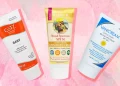
Many people believe sunscreen is only necessary in summer—this is a major misconception. UV exposure affects your skin year-round, just in different ways.
Spring
UV levels rise significantly.
- Use SPF 30–50 daily
- Choose lightweight textures suitable for mild weather
- Combat allergen-induced redness with mineral sunscreens
Summer
UV intensity peaks.
- SPF 50 is ideal for daily use
- Reapply every 2–3 hours outdoors
- Choose water-resistant formulas for heat and sweat
- Non-comedogenic for acne-prone skin
Fall
UV exposure remains steady but feels milder.
- Maintain SPF 30–50
- Choose hydrating sunscreens as weather cools
- Avoid skipping SPF due to shorter days
Winter
UV exposure remains high, especially with snow reflection.
- SPF 30 minimum, even indoors
- Use moisturizing sunscreens with ceramides
- Mineral sunscreens help reduce winter sensitivity
Sunscreen is non-negotiable in every season, but its texture and performance requirements should shift with the weather.
5. How Do You Protect Sensitive Skin Year-Round?
Sensitive skin often reacts not just to products but to environmental fluctuations. Seasonal shifts can heighten redness, dryness, burning sensations, and irritation.
Spring Protection
- Choose anti-inflammatory ingredients like centella asiatica and allantoin
- Avoid strong actives when pollen levels are high
- Use gentle, hydrating routines without fragrances
Summer Protection
- Heat can worsen sensitivity—opt for cooling gel formulas
- Avoid heavy occlusives that trap sweat and cause irritation
- Use mineral sunscreen for fewer reactions
Fall Protection
- Introduce barrier-repairing ingredients (ceramides, panthenol, squalane)
- Reduce exfoliation as skin becomes drier
- Avoid overuse of retinoids until the skin adapts to cooler, drier air
Winter Protection
- Use lipid-rich creams to rebuild the barrier
- Protect against windburn with occlusive balms
- Avoid hot showers and harsh cleansers
- Maintain indoor humidity above 40%
Sensitive skin thrives with consistency and seasonal anticipation—not reactive product switching.
6. Seasonal Breakdown: A Simple Routine to Follow Year-Round
Spring Routine
- Gentle cleanser
- Hydrating toner
- Light serum (HA or niacinamide)
- Lightweight cream
- Mineral sunscreen
Summer Routine
- Gel cleanser
- Oil-control toner (optional)
- Antioxidant serum
- Gel cream
- Water-resistant sunscreen
Fall Routine
- Hydrating cream cleanser
- Essence or hydrating toner
- Barrier serum
- Nourishing cream
- Moisturizing sunscreen
Winter Routine
- Cream or balm cleanser
- Hydrating serum
- Ceramide cream
- Facial oil
- Moisturizing SPF
7. Final Thoughts
Seasonal skincare isn’t about buying an entirely new routine every few months—it’s about thoughtful adjustments that align with your skin’s environmental needs. By adapting your cleansers and moisturizers, maintaining sunscreen habits all year, and protecting sensitive skin from seasonal stressors, you can achieve balanced, healthy skin in any weather.
Your skin changes with the seasons—and your routine should evolve accordingly.