




























A glowing complexion isn’t just the result of good products—it’s the result of using them at the right time. While daytime skincare protects your skin from UV rays, pollution, and external stressors, nighttime skincare focuses on repair, renewal, and deep nourishment.
Your skin works hardest while you sleep, making nighttime the ideal moment to give it the support it needs. In this in-depth guide, we’ll explore why nighttime routines matter, how to structure your regimen, the role of masks and serums, and the habits you should avoid to ensure you wake up with fresh, healthy skin.
1. How Does the Skin Repair and Regenerate Overnight?
During the night, your body shifts from defense to recovery mode. This biological rhythm—known as the circadian cycle—directly affects your skin’s behavior.
Your Skin Works Harder at Night
While you sleep:
- Cell turnover increases
- Collagen production rises
- Blood flow to the skin intensifies
- Water loss naturally increases, making hydration essential
The skin becomes more permeable, meaning active ingredients penetrate deeper and work more effectively.
Night Is the Optimal Time for Correction
This includes repairing:
- UV damage
- Oxidative stress
- Pollution exposure
- Inflammation from daytime irritants
Because your skin isn’t fighting environmental stressors at night, it can devote resources to rebuilding and regenerating. This makes nighttime the best opportunity to use potent products like retinoids, peptides, and exfoliating acids.
2. What Is the Correct Order of Products in a Nighttime Skincare Routine?
Nighttime routines don’t need to be complicated, but the order you apply products matters significantly. Applying products incorrectly can reduce their effectiveness.
Step-by-Step Nighttime Routine Order
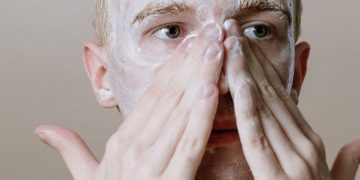
1. Cleanser
Removes makeup, sunscreen, dirt, oil, and pollutants.
Double cleansing is ideal:
- Oil-based cleanser dissolves sunscreen and makeup
- Water-based cleanser removes residue and impurities
2. Toner (Optional)
Hydrates and prepares the skin for active ingredients.
Choose:
- Hydrating toners for dry skin
- Balancing toners for oily or combination skin
3. Treatment Serums
This is the most important step in your nighttime routine.
Common nighttime serums include:
- Retinoids (anti-aging, acne control)
- Exfoliating serums (AHAs, BHAs, PHAs)
- Peptide serums (repair and firming)
- Niacinamide (calming and brightening)
4. Eye Cream (Optional)
Helps target dark circles, puffiness, or fine lines.
5. Moisturizer
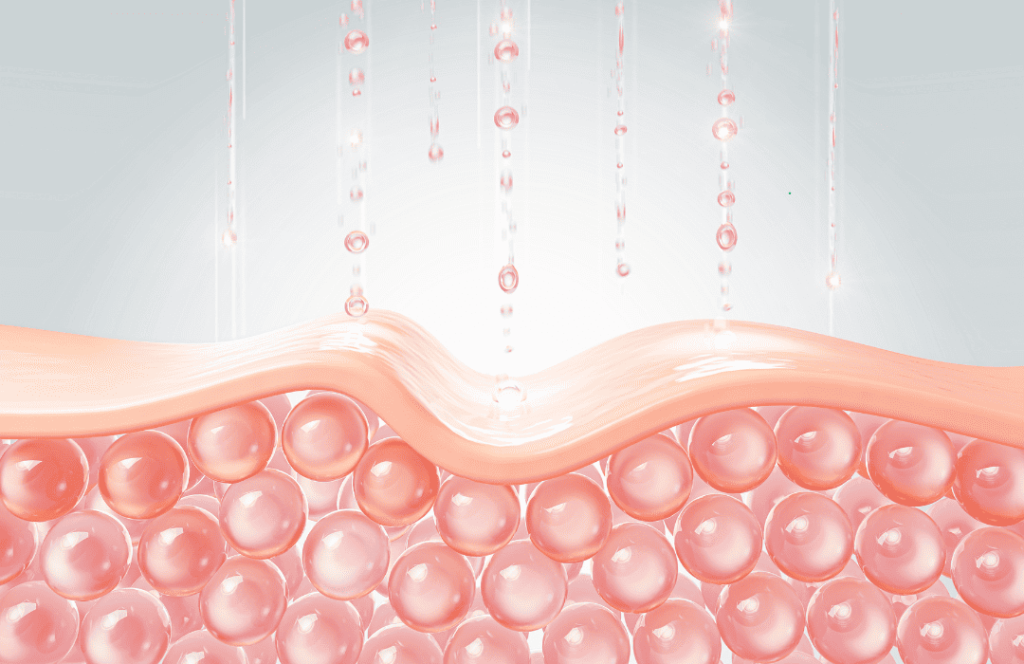
Locks in hydration and prevents transepidermal water loss (TEWL), which peaks at night.
Choose:
- Creams for dry or mature skin
- Lightweight gels for oily skin
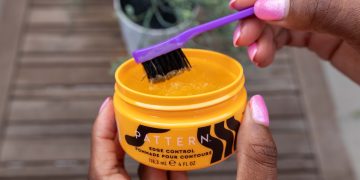
6. Optional: Overnight Mask or Sleeping Pack
Used as the final step to seal in moisture and active ingredients.
This structured order ensures deeper absorption and optimal ingredient performance.
3. How Do Masks and Serums Enhance Your Nighttime Routine?
Masks and serums are powerful tools that amplify your results because they deliver concentrated doses of active ingredients.
Serums: The Workhorses of Nighttime Skincare
Serums contain high levels of active ingredients in small molecules that penetrate deeply into the skin.
Common nighttime serum benefits:
Retinoids
- Boost collagen
- Reduce wrinkles
- Improve texture
- Minimize acne
Peptides
- Support skin repair
- Strengthen the barrier
- Improve firmness
Niacinamide
- Reduces redness
- Balances oil
- Brightens tone
Exfoliating Acids (AHAs, BHAs)
- Improve glow
- Refine pores
- Smooth texture
Serums are the “correction” step in your routine—the part that directly targets your skin concerns.
Masks: Enhancing Hydration and Repair
Night masks, also known as sleeping masks or overnight packs, reinforce your routine by creating a breathable seal over the skin.
Types of nighttime masks:
Hydrating Masks
- Contain hyaluronic acid, glycerin, aloe, or squalane
- Prevent water loss
- Great for dry or dehydrated skin
Repair Masks
- With peptides, centella asiatica, and ceramides
- Restore the moisture barrier
Exfoliating Masks
- Use AHAs or enzymes
- Brighten and smooth (use only 1× per week)
Retinol Masks
- Provide controlled release retinoids
- Ideal for anti-aging
Masks elevate the routine by giving the skin extra nutrients and protection while you sleep.
4. What Habits Should You Avoid in Your Nighttime Routine?
Nighttime skincare is powerful—but only when practiced correctly. Certain habits can sabotage your skin’s ability to heal overnight.
Avoid These Counterproductive Practices:
1. Going to Bed Without Cleansing
Sleeping in sunscreen, makeup, or pollution particles causes:
- Clogged pores
- Dullness
- Premature aging
- Breakouts
Even if you wore no makeup, cleansing is essential.
2. Using Too Many Actives at Once
Layering multiple acids, retinoids, and strong actives can cause:
- Irritation
- Burning
- Overdrying
- Barrier damage
Pick one strong active per night.
3. Ignoring Your Skin Barrier
If your skin feels:
- Tight
- Rough
- Stinging
- Burning
you may be over-exfoliating or overusing actives.
Switch to “barrier repair nights” with:
- Ceramides
- Hyaluronic acid
- Petroleum jelly slugging (for dry skin)
4. Sleeping on Dirty Pillowcases
Fabric traps:
- Oil
- Sweat
- Bacteria
- Product residue
Change them weekly to prevent acne and irritation.
5. Skipping Moisturizer
Even oily skin needs moisture at night.
A lack of hydration harms repair processes and increases oil production.
6. Applying Actives Too Close to the Eyes or Lips
These areas are delicate and prone to irritation.
Use specific eye creams or gentle formulations instead.
5. How Can You Build a Nighttime Routine That Works for Your Skin Type?
Dry Skin
Focus on hydration and barrier repair:
- Creamy cleansers
- Peptides, ceramides, hyaluronic acid
- Nourishing creams
- Optional overnight masks
Oily or Acne-Prone Skin
Focus on oil control and pore care:
- Gel cleansers
- BHAs or retinoids
- Lightweight moisturizers
Sensitive Skin
Simplify your routine:
- Gentle cleanser
- Niacinamide serum
- Ceramide moisturizer
- Avoid strong acids or retinoids until tolerated
Mature Skin
Focus on renewal and firming:
- Retinoids
- Peptides
- Antioxidants
- Rich moisturizers
Combination Skin
Alternate treatments:
- Retinoids a few nights per week
- Hydrating serums on off-nights
- Optional exfoliating mask once weekly
Conclusion: Why Is Nighttime Skincare So Important?
Nighttime skincare isn’t optional—it’s essential. While you sleep, your skin becomes more receptive to treatment, more active in repairing damage, and more capable of absorbing nourishing ingredients. A consistent nighttime routine enhances brightness, smoothness, firmness, and hydration, helping you wake up with healthy, refreshed skin.
By applying products in the correct order, using targeted serums and masks, and avoiding harmful habits, you maximize your skin’s natural nighttime regeneration cycle. A thoughtful nighttime routine is one of the most powerful investments you can make in your skin’s long-term health.