



























We invest in serums, creams, and treatments in the pursuit of plump, youthful, and resilient skin, but the most powerful skincare product may be on your plate. The skin is the body’s largest organ, and its health is a direct reflection of your internal nutritional status. While topical products work on the surface, the building blocks for deep hydration and lasting elasticity come from the nutrients you consume. Dehydrated, sagging skin is often a sign of internal deficiencies, not just a need for a better moisturizer. This article explores the profound connection between your diet and your skin’s fundamental structure, detailing the essential nutrients that act as your body’s natural moisturizer and collagen factory, and providing a practical guide to eating for a radiant, firm complexion.
1. The Building Blocks of Youth: Essential Nutrients for Skin Structure and Moisture
Your skin’s ability to hold water and bounce back relies on two key structural components: collagen and the skin’s lipid barrier. Specific nutrients are the raw materials required to produce and protect them.
Collagen Support Nutrients:
Collagen is the protein that gives skin its firmness and structure. Its production naturally declines with age, but a lack of key nutrients can accelerate this process.
- Vitamin C: This is the essential co-factor for collagen synthesis. Without adequate Vitamin C, the body cannot form the strong, stable collagen fibers that prevent sagging and wrinkles. It’s also a powerful antioxidant that protects existing collagen from damage caused by free radicals.
- Protein (Amino Acids): Collagen is itself a protein, made from amino acids. Consuming adequate high-quality protein (from both animal and plant sources) provides the necessary building blocks—like proline and glycine—for your body to manufacture its own collagen.
- Zinc: This trace mineral acts as a co-factor for enzymes involved in collagen production and wound healing. It also helps control inflammation, which can break down collagen.
Skin Barrier Support Nutrients:
The outermost layer of your skin, the stratum corneum, is a “brick and mortar” structure that keeps moisture in and irritants out. The “mortar” is composed of lipids (fats).
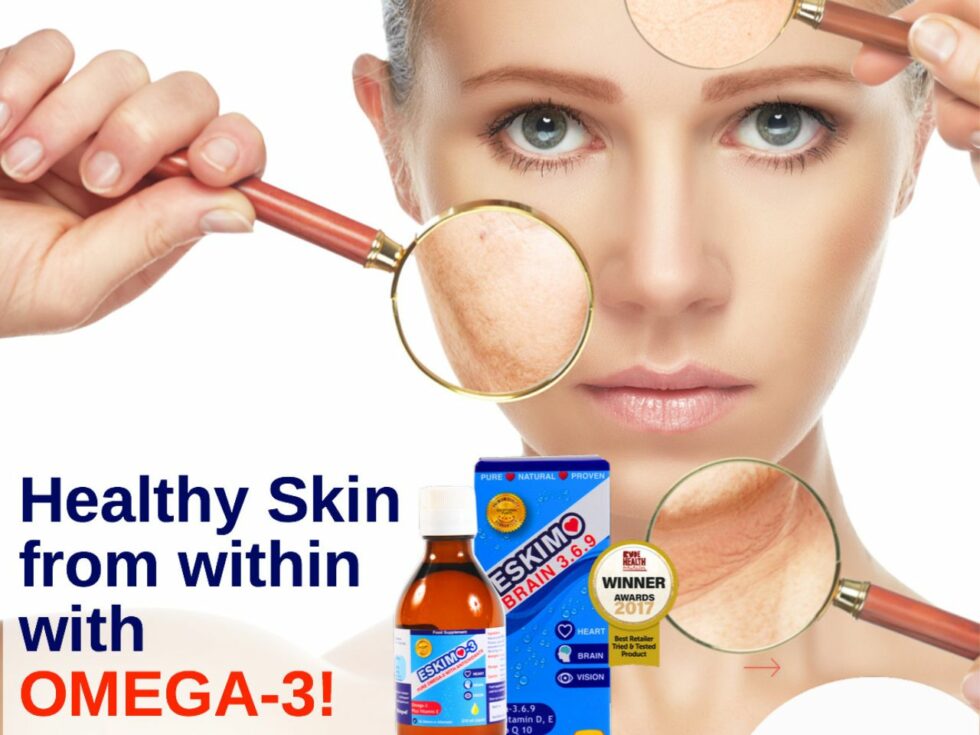
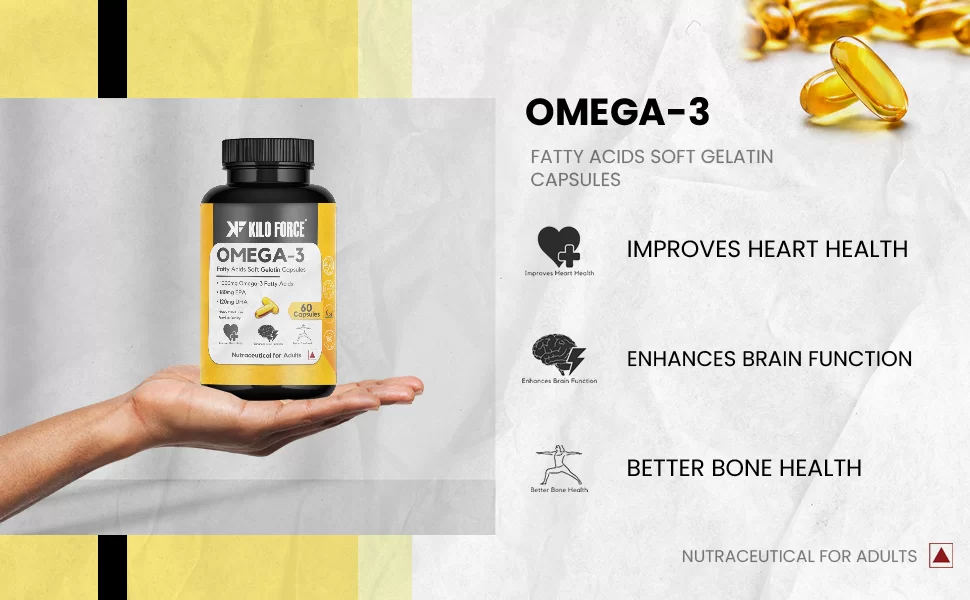
- Essential Fatty Acids (Omega-3 and Omega-6): These fats are crucial for forming the skin’s lipid barrier. A strong barrier prevents Transepidermal Water Loss (TEWL), the process where water evaporates from the skin into the environment. Diets low in these fats result in a weak barrier, leading to dry, itchy, and easily irritated skin.
- Vitamin E: A fat-soluble antioxidant that works alongside Vitamin C to protect the skin’s cell membranes from oxidative damage. It helps preserve the integrity of the lipid barrier.
2. The Hydration Heroes: Top Foods to Boost Skin Moisture from Within
While drinking water is vital, the water you consume is distributed throughout your entire body. The key to channeling that hydration to your skin lies in the foods that help build a strong barrier to hold it there.
Fatty Fish for a Fortified Barrier:
- Examples: Salmon, mackerel, herring, and sardines.
- Why They Work: These are rich in EPA and DHA, the long-chain Omega-3 fatty acids that are directly incorporated into the skin’s lipid barrier. They also have potent anti-inflammatory effects, calming conditions like acne and rosacea that compromise skin health.
Colorful Fruits and Vegetables for Antioxidant and Vitamin Power:
- Examples: Bell peppers (especially red and yellow), citrus fruits, strawberries, broccoli, sweet potatoes, and dark leafy greens.
- Why They Work: These are powerhouses of Vitamin C, necessary for collagen production. They are also packed with water themselves, contributing to overall hydration. Sweet potatoes and leafy greens provide Vitamin A, which is essential for skin cell turnover and repair.
Nuts, Seeds, and Oils for Lipid and Vitamin E:
- Examples: Walnuts, flaxseeds, chia seeds, sunflower seeds, and extra virgin olive oil.
- Why They Work: Walnuts and flaxseeds provide Alpha-Linolenic Acid (ALA), a precursor to Omega-3s. Sunflower seeds are one of the best sources of Vitamin E. A drizzle of olive oil on salads provides healthy monounsaturated fats and antioxidants that support the skin barrier.
Water-Rich Fruits and Vegetables for Direct Hydration:
- Examples: Cucumber, celery, watermelon, and zucchini.
- Why They Work: These foods have a very high water content, helping to contribute to your overall fluid intake. They also provide electrolytes and minerals that aid in proper hydration at a cellular level.
3. The Warning Signs: How Common Nutrient Deficiencies Manifest on Your Skin
Your skin can be an early warning system for internal nutritional imbalances. Chronic issues that don’t resolve with topical care may point to a dietary deficiency.
The Iron Deficiency (Anaemia) Look:
- Symptoms: Skin that is unusually pale, ashen, or has a yellowish tint. It may also feel cold and dry. Under-eye circles can be more pronounced.
- The Connection: Iron is essential for producing hemoglobin, which carries oxygen in your blood. Without adequate oxygen, skin cells cannot function or repair themselves properly, leading to a dull, lifeless complexion.
The Zinc and B-Vitamin Deficiency Look:
- Symptoms: Increased acne, slow-healing blemishes, and dermatitis (inflamed, flaky skin) around the nose and mouth. Cracks at the corners of the mouth (angular cheilitis) are a classic sign of B-vitamin or iron deficiency.
- The Connection: Zinc is critical for controlling oil production and healing. B-vitamins, like B2 (riboflavin) and B6, are involved in cellular repair and energy production.
The Essential Fatty Acid (EFA) Deficiency Look:
- Symptoms: Extremely dry, scaly, or itchy skin (akin to eczema) and small, raised bumps on the backs of the arms (keratosis pilaris).
- The Connection: Without sufficient EFAs, the skin cannot produce a strong lipid barrier, leading to excessive water loss and inflammation.
4. The Daily Blueprint: Practical Tips for a Skin-Supportive Diet
Integrating these principles into your daily life doesn’t require a complete diet overhaul, but rather a series of mindful, consistent choices.
The “Rainbow Plate” Rule:
Aim to fill half your plate with a variety of colorful fruits and vegetables at every meal. This ensures a broad intake of different antioxidants, vitamins, and phytonutrients that protect and nourish the skin.
Prioritize Protein at Every Meal:
Include a source of high-quality protein with each meal to provide a steady supply of amino acids for collagen synthesis. This could be eggs, Greek yogurt, lentils, tofu, chicken, or fish.
Incorporate Healthy Fats Daily:
Don’t fear fat. Actively include it.
- Add a handful of walnuts or almonds to your morning oatmeal or salad.
- Use a tablespoon of ground flaxseed in your smoothies.
- Use extra virgin olive oil as your primary cooking oil and for dressings.
- Aim to eat fatty fish at least twice a week.
Smart Hydration Habits:
- Start Your Day with Water: Drink a large glass of water upon waking to rehydrate after a night’s sleep.
- Eat Your Water: Incorporate water-rich soups, smoothies, cucumbers, and watermelon into your daily intake.
- Limit Dehydrators: Balance alcohol and caffeine consumption with extra water, as they have a diuretic effect.
The path to truly hydrated and elastic skin is an inside-out process. Topical moisturizers can temporarily add water to the surface, but they cannot build the robust collagen network and strong lipid barrier that are the true markers of youthful skin. By consistently providing your body with the essential nutrients it needs—abundant Vitamin C, quality protein, healthy fats, and a spectrum of antioxidants—you are supplying the construction materials for a complexion that is resilient, plump, and glowing with health from within. Your diet, therefore, is your most fundamental and powerful long-term skincare strategy.