
















The journey through pregnancy and childbirth is a profound physical transformation, leaving in its wake a body that may feel unfamiliar. Along with the joy of a new baby often comes a complex mix of aesthetic concerns: loose skin, stubborn fat, stretch marks, and pigmentation changes. The desire to “reclaim” one’s pre-pregnancy body is natural and common, but the postpartum period—especially while breastfeeding—demands a uniquely cautious approach to aesthetic treatments. The priority must shift from mere results to absolute safety for both mother and infant. This requires a clear understanding of which procedures are safe, which are off-limits, and the optimal timeline for intervention. This guide provides a comprehensive, evidence-based roadmap for new mothers seeking to address postpartum changes, prioritizing treatments that align with the delicate biology of the postpartum and lactation periods.
1. The Landscape of Change: Common Postpartum Skin and Body Concerns
Pregnancy induces significant hormonal and physical shifts that manifest in various ways after delivery. Understanding the root cause of these changes is the first step in addressing them.
Skin Laxity and Diastasis Recti: The rapid expansion of the abdomen to accommodate the growing baby stretches the skin and the underlying connective tissue, often leading to a persistent “pooch” of loose skin. For many women, this is compounded by diastasis recti, a separation of the abdominal muscles that requires specific physical therapy, not just aesthetic treatment.
Localized Fat Deposits: Hormonal changes during pregnancy encourage fat storage in specific areas like the abdomen, hips, and thighs to support the baby. These fat deposits can be remarkably stubborn, resisting diet and exercise long after delivery.
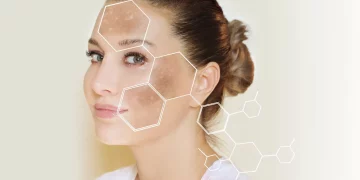
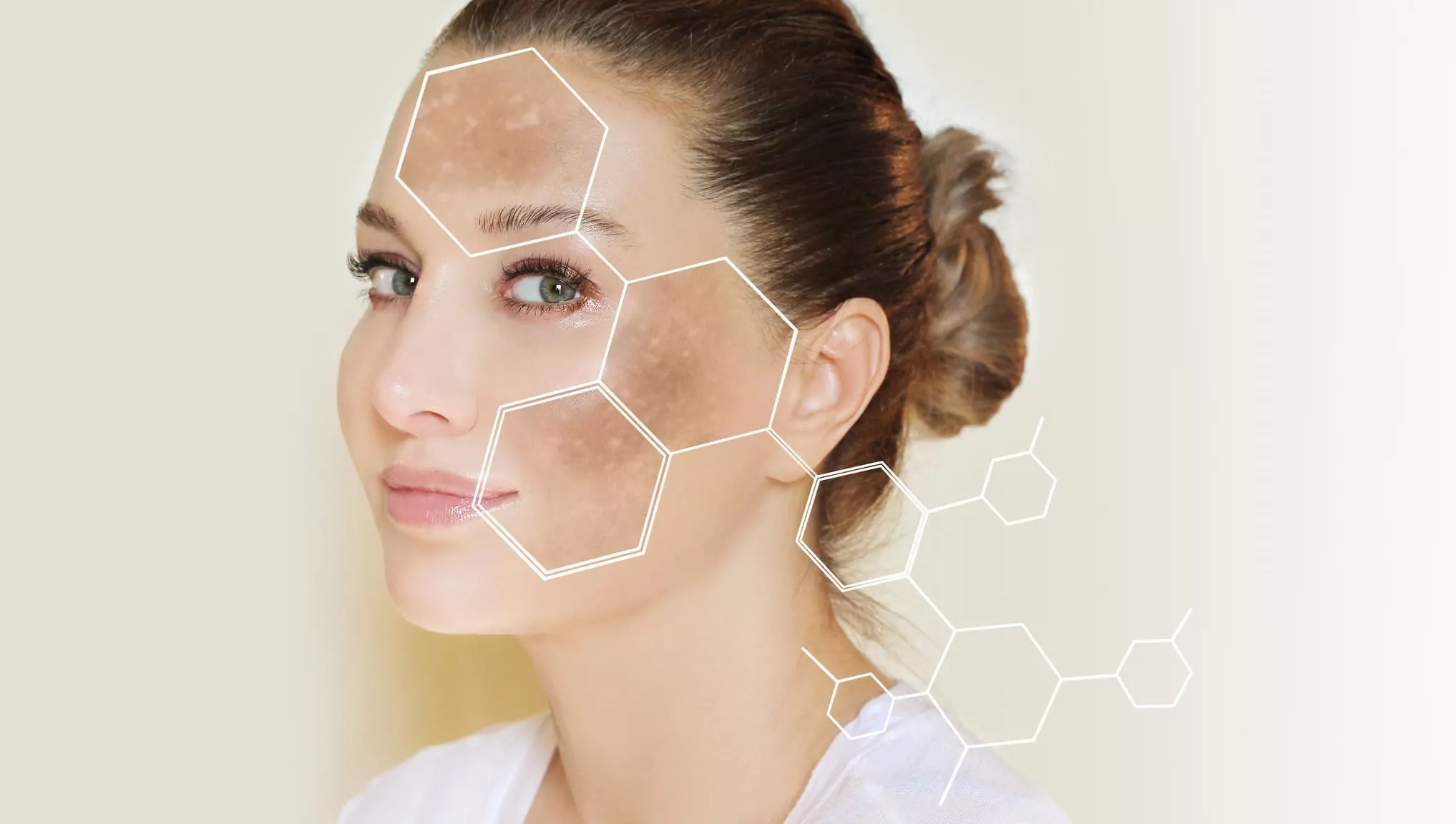
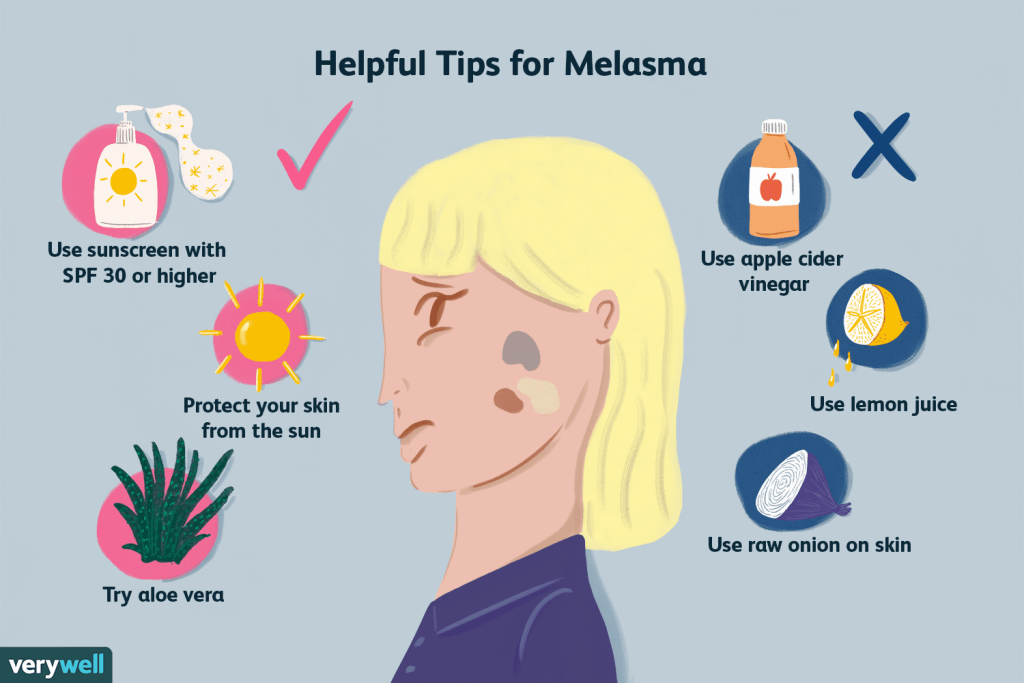
Hyperpigmentation (Melasma/Chloasma): Often called the “mask of pregnancy,” melasma appears as brown or gray-brown patches on the face, triggered by estrogen and progesterone sensitivity combined with sun exposure. It can persist long after childbirth.
Striae (Stretch Marks): These are a form of scarring caused by the tearing of the dermis as the skin stretches. They initially appear red or purple (striae rubra) and gradually fade to silvery-white (striae alba).
Varicose Veins and Spider Veins: Increased blood volume and pressure from the uterus can weaken venous valves, leading to dilated veins on the legs.
2. The Lactation Filter: Identifying Safe Treatments While Breastfeeding
The primary concern during breastfeeding is whether the substances used in a treatment can pass into the bloodstream and, subsequently, into breast milk. The general rule is to avoid any procedure that requires systemic medications or injects substances with unknown milk-transfer risk.
Generally Considered Safe (with specific caveats):
- Superficial Chemical Peels (Glycolic, Lactic, Salicylic Acid): When used in low concentrations for a superficial peel, the systemic absorption is minimal to negligible. Deep peels (like phenol) are absolutely contraindicated.
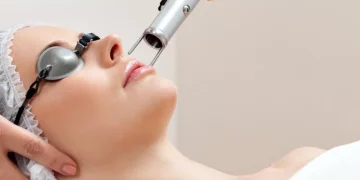
- Laser Hair Removal: While generally considered low-risk, there is a theoretical concern that the heat could trigger a flare of melasma. Many practitioners will proceed with caution, avoiding areas with active pigmentation.
- Microdermabrasion: This is a purely mechanical, superficial exfoliation that poses no known risk to a nursing infant.
- Topical Skincare: Ingredients like Vitamin C, Azelaic Acid, and low-dose Glycolic Acid are considered safe. Hydroquinone, a depigmenting agent, is controversial; many doctors advise against it due to a lack of safety data, while others deem topical use acceptable. Retinoids (both prescription and OTC) should be avoided.
Treatments to Avoid While Breastfeeding:
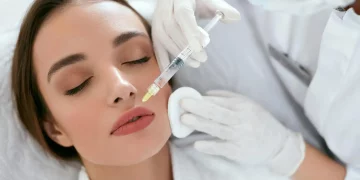
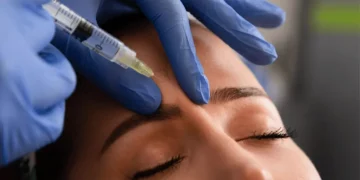
- Injectable Neuromodulators (Botox, Dysport): While the risk of systemic absorption is very low, it is not zero. Most reputable practitioners will defer Botox treatments until after breastfeeding due to the lack of large-scale safety studies.
- Dermal Fillers (Hyaluronic Acid): Similar to Botox, the risk is likely very low, but the safety profile is not definitively established for lactating women. The conservative and recommended approach is to wait.
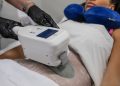
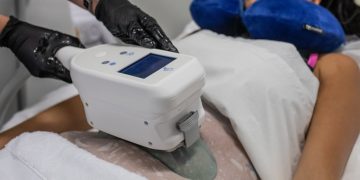
- CoolSculpting and Laser Lipolysis: These fat-reduction treatments cause the apoptosis (death) of fat cells, releasing their contents, including stored hormones and potential toxins, into the bloodstream. The effect of this systemic release on breast milk is unknown, making these procedures contraindicated.
- Most Oral Medications for Aesthetic Purposes: This includes oral medications for acne or extensive pain management related to procedures.
3. The Postpartum Toolbox: Effective Options for Tightening and Pigmentation
Once the decision to wean has been made, or for non-breastfeeding mothers, a wider array of powerful, non-surgical options becomes available.
For Skin Tightening and Texture:
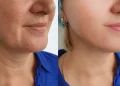
- Radiofrequency (RF) Microneedling (Morpheus8, Genius): This is a top choice for postpartum abdominal skin. It combines microneedling with RF energy to trigger significant collagen and elastin production deep within the skin, effectively tightening lax tissue and improving the texture of stretch marks.
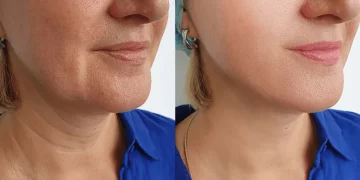
- Non-Invasive Radiofrequency (e.g., Thermage, Exilis): These devices deliver monopolar RF heat to the skin to stimulate collagen contraction and neocollagenesis, resulting in a gradual tightening effect.
- Fractional Laser Resurfacing (e.g., Fraxel): Excellent for improving the texture and color of both facial skin and striae (stretch marks) by creating microscopic treatment zones that promote rapid skin remodeling and healing.
For Hyperpigmentation (Melasma):
- Combination Topical Therapy: The gold standard is a combination of a gentle retinoid (now safe to use post-weaning), Azelaic Acid, and a hydroquinone-free brightening agent like Cyspera® or kojic acid. This must be combined with rigorous, daily mineral sunscreen.
- Picosecond Lasers (PicoSure, PicoWay): These advanced lasers use ultra-short pulses of energy to shatter pigment particles with minimal heat, making them a safer option for treating stubborn melasma, which can be heat-sensitive.
For Stubborn Fat Deposits:
- CoolSculpting (Cryolipolysis): Now a safe option post-weaning, it can effectively reduce stubborn fat pockets on the abdomen, flanks, and thighs that remain resistant to diet and exercise.
- Laser Lipolysis (SculpSure): Uses laser heat to destroy fat cells and can be a good alternative for areas that may not respond as well to CoolSculpting.
4. The Timeline for Intervention: When to Consider Procedures
Patience is not just a virtue in postpartum aesthetics; it is a medical necessity.
- First 6 Months Postpartum: This is a period of significant natural healing. Hormones are still fluctuating, the uterus is shrinking, and the body is releasing excess fluid. This is a time for conservative approaches only: topical skincare for pigmentation, physical therapy for diastasis recti, and establishing a healthy diet and exercise routine. No invasive or fat-reducing procedures should be considered.
- 6-12 Months Postpartum: Once hormonal levels have stabilized and you are at a stable weight, you can begin to consult with practitioners about non-invasive tightening treatments like RF microneedling. It is still advisable to wait until after weaning for injectables and fat reduction.
- 12+ Months Postpartum / After Weaning: This is the ideal window to pursue the full spectrum of treatments, including Botox, fillers, CoolSculpting, and more aggressive laser procedures. Your body has had time to find its new equilibrium, allowing for more predictable and lasting results.
5. Navigating the Risks: Essential Warnings for the Postpartum Patient
The postpartum body can react differently, and certain risks are heightened.
Heightened Sensitivity: Hormonal changes can make the skin more reactive and prone to post-inflammatory hyperpigmentation (PIH), especially in patients with melasma. All laser and energy-based treatments must be performed with caution and by a provider experienced in treating postpartum skin.
Managing Expectations: It is crucial to understand that while non-surgical treatments can produce dramatic improvements, they have limitations. Significant abdominal skin overhang or severe diastasis recti may only be fully correctable with a surgical abdominoplasty (tummy tuck). A consultation with a board-certified plastic surgeon can provide a realistic assessment of what is achievable through non-surgical versus surgical means.
The Importance of a Medical Provider: Always choose a board-certified dermatologist or plastic surgeon for postpartum aesthetic treatments. They possess the medical training to understand the complex interplay of postpartum physiology, lactation, and aesthetic technology, ensuring your path to recovery is not only effective but, above all, safe for you and your baby.
The postpartum period is a time of immense change, and the desire for aesthetic normalcy is a valid part of the recovery process. By approaching this journey with patience, arming yourself with knowledge about safe and effective treatments, and partnering with a qualified medical professional, you can navigate the options confidently. The goal is not to erase the evidence of your journey into motherhood, but to feel comfortable and confident in the skin you’re in as you embark on this new chapter.