




























The transformative power of contour and highlight is one of the most celebrated yet intimidating techniques in modern makeup. At its best, it can sculpt cheekbones, refine the jawline, and create a luminous, three-dimensional complexion. At its worst, it can result in muddy stripes and harsh, unnatural lines. The bridge between these two outcomes is a deep understanding of three core principles: your unique facial architecture, the physics of your products, and the nuanced art of blending. This is not about painting a new face, but about using light and shadow to enhance the beautiful structure you already possess. This comprehensive guide will demystify the process, providing a masterclass in how to tailor your approach—from a “no-makeup” daytime enhancement to a bold, editorial evening look.
1. The Architectural Blueprint: Mapping Your Face Shape for Precision
The single biggest mistake in contouring is applying a one-size-fits-all pattern. Contour and highlight are about creating optical illusions, and the placement is entirely dependent on your individual face shape. The goal is typically to create a more oval-shaped illusion of balance.
The Universal “Rule” of Shadow and Light:
- Contour (Shadow): Applied to areas you wish to recede, minimize, or create depth.
- Highlight (Light): Applied to areas you wish to bring forward, emphasize, or attract light.
Face Shape Mapping Guide:
- Round Face: The goal is to add definition and length.
- Contour: Apply in a soft, vertical stripe from the temples down the hairline, directly under the cheekbones (suck in your cheeks to find the hollow), and along the underside of the jawline.
- Highlight: Down the center of the forehead, the bridge of the nose, under the eyes in an inverted triangle, and the center of the chin.
- Square Face: The goal is to soften the angles and add roundness.
- Contour: Focus on the four corners of the forehead and along the jawline, specifically at the angles. Blend thoroughly to soften the hard lines.
- Highlight: The center of the forehead, the brow bone, the apples of the cheeks, and the center of the chin.
- Oval Face: The goal is to maintain natural balance with subtle enhancement.
- Contour: Lightly under the cheekbones and around the hairline for slight definition.
- Highlight: The high points of the cheekbones, brow bone, cupid’s bow, and inner corners of the eyes.
- Long/Rectangular Face: The goal is to create the illusion of width and shorten the face.
- Contour: Along the top of the hairline to lower the forehead, and under the chin to shorten the length of the face.
- Highlight: On the outer sides of the forehead to create width, and generously on the apples of the cheeks to draw the eye horizontally.
2. The Medium is the Message: Selecting the Right Products for Your Desired Finish
The texture of your products is the primary factor that determines whether your look will be subtle or dramatic. It dictates blendability, intensity, and longevity.
For a Subtle, Natural Look: Cream and Liquid Products
- Contour: A cream bronzer or contour stick in a shade that is 1-2 shades darker than your skin tone with a cool, greyish undertone (mimicking a natural shadow). Avoid anything too warm or orange.
- Highlight: A liquid highlighter or a dewy cream stick with a pearl or champagne sheen. Avoid large chunks of glitter.
- Why it Works: Cream products are emollient and blend seamlessly into the skin, melting into your foundation for a “my skin but better” effect. They are ideal for dry or normal skin types.
For a Dramatic, Defined Look: Powder Products
- Contour: A matte powder contour or bronzer. Powder allows for much more buildable, intense color payoff without disturbing the foundation underneath.
- Highlight: A powder highlighter with a more intense, metallic, or glittery finish.
- Why it Works: Powder products are layered on top of a set foundation. They provide a more defined, sharp edge that is visible from a distance and is excellent for photography. They are ideal for oily skin types as they help control shine.
The Hybrid/Pro Approach: Many artists start with cream products for a seamless base and then lightly set or intensify the contour and highlight with powder versions of the same shades. This locks the look in place and amplifies the drama.
3. The Blurred Line: Mastering Blending Techniques for a Seamless Finish
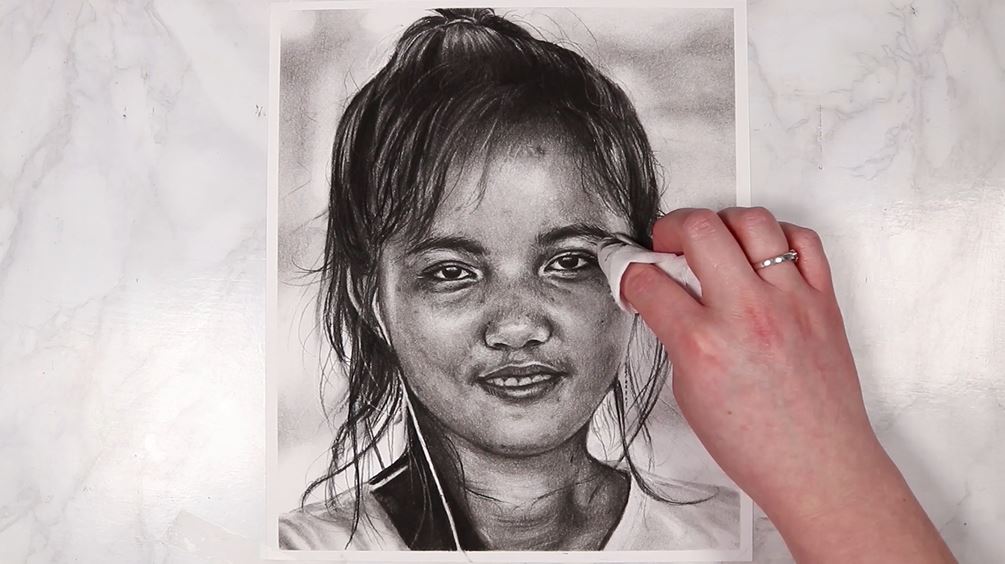
Blending is the non-negotiable step that separates a skilled application from an amateur one. Harsh lines are the enemy of a beautiful contour.
Blending Cream and Liquid Products:
- Tools: A dense, slightly damp beauty sponge (like a Beautyblender) or a dense, synthetic foundation brush.
- Technique: Stipple, don’t drag. After drawing your lines, use a bouncing or pressing motion with your sponge to pat the product into the skin. This pushes the pigment into the foundation, creating a seamless gradient rather than wiping it away. Blend the edges relentlessly until there is no visible line where the contour begins.
Blending Powder Products:
- Tools: A fluffy, tapered blending brush is essential. The fluffier the brush, the softer the application.
- Technique: Use a light hand and a “windshield wiper” motion, sweeping back and forth along the edges of your contour. Use circular motions to buff out any harsh lines. The key is to build color gradually. It’s easier to add more powder than to remove it.
The Final Unifying Step: After all contour and highlight is blended, take whatever is left on your foundation sponge or a clean, fluffy powder brush and gently buff over the entire face. This helps to marry all the products together, ensuring there are no stark transitions.
4. Context is Everything: Tailoring Intensity for Day vs. Evening
The same face of makeup does not work for a boardroom and a cocktail bar. The intensity of your contour and highlight should be dictated by the lighting and the occasion.
The Subtle Day Look: “You, But Enhanced”
- Philosophy: The goal is dimension, not drama. It should look like a natural play of light on your face.
- Execution:
- Use cream or liquid products exclusively.
- Choose a contour shade that is only slightly darker than your skin.
- Apply with a very light hand, focusing only on the hollows of the cheeks and a tiny bit around the hairline.
- For highlight, use a very subtle, dewy formula and apply only to the very highest points of the cheekbones, the inner corners of the eyes, and the cupid’s bow.
- Blend until it’s almost undetectable.
The Dramatic Evening Look: “Photographic and Polished”
- Philosophy: Evening and event lighting is lower and can wash you out. A stronger contour and highlight are needed to redefine the features that get lost in dim light.
- Execution:
- Start with a cream base and set and intensify with powders.
- Don’t be afraid to use a deeper, more defined contour shade.
- You can contour more areas: nose, jawline, and forehead more prominently.
- Highlight can be more intense and metallic. Apply it generously to the cheekbones, brow bone, and even the collarbones for a glamorous effect.
- The finished look will be more defined and noticeable up close, but it will translate perfectly in evening photos and under artificial light.
Contour and highlight are the ultimate tools for artistic expression in makeup. By first understanding the unique map of your face, then strategically selecting your products based on the desired finish, and finally, mastering the sacred art of blending, you gain the power to subtly enhance your natural beauty or create a show-stopping, dramatic transformation. Remember, the most successful application is one that looks like skill, not like makeup.