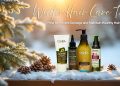
















We meticulously change our skincare routines with the turning of the calendar, swapping lightweight lotions for rich creams as humidity drops and temperatures plunge. Yet, our hair—often just as vulnerable to environmental shifts—is frequently subjected to the same handful of products year-round. This static approach overlooks a fundamental truth: our hair is in a constant, silent dialogue with its environment. From the scorching, UV-drenched days of summer to the dry, biting cold of winter, and the frizz-inducing mugginess of a rainy season, each climatic condition presents a unique set of challenges that affect different hair types in distinct ways. Treating your hair to a one-size-fits-all regimen is a recipe for lackluster locks. This comprehensive guide delves into the science of how seasonal weather impacts your hair, offering a tailored, proactive strategy for summer protection, winter hydration, humidity control, and critical adjustments for every hair type, ensuring your mane remains healthy, vibrant, and resilient all year long.
Understanding the Enemy: How Weather Attacks the Hair
To understand seasonal care, we must first grasp what we’re protecting. Each hair strand is structured in three layers: the cuticle (the outer, protective scale-like layer), the cortex (the middle layer containing keratin, moisture, and pigment), and the medulla (the innermost core). The cuticle’s job is to remain tightly sealed, safeguarding the cortex and retaining the hair’s moisture balance.
- Summer & UV Radiation: The sun’s ultraviolet rays are a double-edged sword. UVB rays penetrate the hair cuticle, breaking down the protein bonds (like disulfide bonds) within the cortex, leading to protein loss, weakness, and brittleness. UVA rays, meanwhile, attack the melanin pigment, causing color-treated hair to fade and natural hair to experience “photoyellowing.” Combined with heat, which expands the cuticle, and chlorine or saltwater that strips natural oils, summer is a season of extreme structural and cosmetic damage.
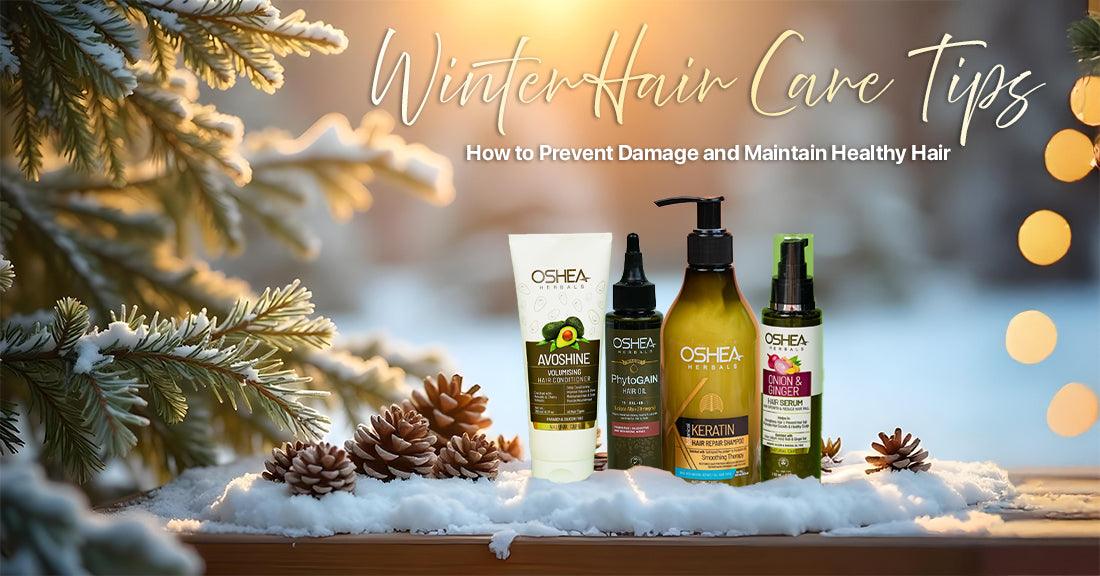
- Winter & Dry Cold: The primary winter aggressor is a lack of moisture in the air. Cold, dry air outside, combined with artificially heated, even drier air inside, creates a severe moisture deficit. This dry air literally sucks the moisture right out of the hair shaft through a process called transepidermal water loss. The result is a lifted, compromised cuticle, leading to static, flyaways, brittleness, and a dull, dehydrated appearance. Topping it off, woolen hats and scarves create friction, further roughing up the cuticle.
- Humidity & The Frizz Factor: Humidity is a battle of moisture equilibrium. Hair is hygroscopic, meaning it absorbs moisture from the air. On a humid day, the air is saturated with water vapor. Dry or porous hair (with a raised cuticle) rapidly absorbs this excess moisture. As the cortex swells with water, it forces the cuticle to push outward, creating friction between strands and manifesting as the dreaded frizz. The hair’s shape—whether straight, wavy, or curly—becomes distorted and unmanageable.
Summer Protection: Shielding Your Strands from the Scorch
Summer hair care is not about style, but about defense. The goal is to create a protective barrier against a trifecta of sun, heat, and water.
- The Invisible Hat: UV Protection: Just as you wouldn’t go to the beach without sunscreen, your hair needs a shield.
- Leave-In Conditioners with UV Filters: Invest in a leave-in spray or cream that contains UV absorbers. These act as a protective film over the hair.
- Physical Barriers: Hair oils (like argan or camellia) can create a light barrier that reflects some UV rays. For extended exposure, a stylish hat or scarf is the most effective physical defense.
- Pre-Swim Preparation: Before diving in, saturate your hair with fresh tap water and a dollop of conditioner. A soaked hair shaft is less absorbent, meaning it will take in less chlorinated or saltwater.
- Heat Styling Amnesty: Give your hot tools a summer vacation. Embrace air-drying, braids, buns, and natural textures. If you must use heat, always apply a robust heat protectant spray that forms a polymer-based shield around each strand.
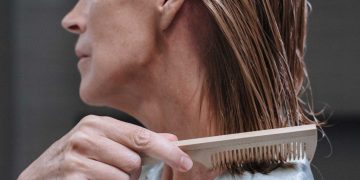
- The Clarifying Reset: Chlorine, salt, sand, and product buildup can leave hair feeling gritty and dull. Incorporate a gentle clarifying shampoo once a week to deeply cleanse without stripping natural oils, followed by a deeply hydrating mask to replenish lost moisture.
Winter Hydration: The Art of Sealing in Moisture
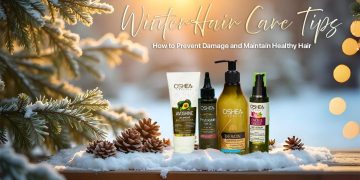
Winter haircare is a mission of moisture retention. The strategy shifts from defense to intensive care and sealing.
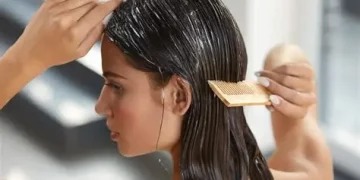
- The Power of Pre-Shampooing: Before you even step into the shower, apply a pre-wash hair oil or mask to the mid-lengths and ends of dry hair. This “pre-poo” treatment fills the hair’s pores with oil, preventing the shampoo from stripping away all its natural lipids during the wash, which is especially crucial in dry conditions.
- Switching to a Hydrating Shampoo: Put your clarifying or volumizing shampoos aside. Winter calls for sulfate-free, creamy, hydrating shampoos that clean gently without compromising the hair’s lipid layer. Look for ingredients like hyaluronic acid, glycerin, and ceramides.
- Deep Conditioning is Non-Negotiable: A weekly deep conditioning treatment is the cornerstone of winter hair health. Use a moisturizing mask rich in emollients (like shea butter, mango seed butter) and humectants (like honey, aloe vera) to bind water to the hair shaft. For an extra boost, apply the mask and sit under a hooded dryer or wrap your head in a warm towel; the heat will help the conditioning ingredients penetrate more deeply.
- Rinse with Cool Water: Finish your wash with a cool water rinse. This helps to smooth and flatten the hair cuticle, sealing in the moisture from your conditioner and adding instant shine while reducing static.
Humidity Strategies: Winning the Fight Against Frizz
The key to managing humidity is control—controlling the hair’s porosity and its ability to absorb excess moisture.
- The Anti-Frizz Cocktail: Humectants vs. Anti-Humectants:
- Humectants (e.g., glycerin, propylene glycol) attract moisture. In high humidity, they can work against you, pulling too much moisture from the air into your hair, causing frizz. Use products with humectants cautiously on humid days.
- Anti-Humectants (e.g., silicones, certain oils) form a protective seal over the hair, blocking external moisture from entering. These are your best friends in humid weather. Look for serums, creams, and gels that contain dimethicone or cyclomethicone to create a moisture-repelling barrier.
- The “Casting” Technique with Gel: For curly and wavy hair, the “LA Looks” or “casting” method is highly effective. Apply a hard-hold gel to soaking wet hair in the shower, scrunching it in. Then, do not touch it as it air-dries or diffuses. Once 100% dry and crispy, “scrunch out the crunch” to reveal soft, defined, and remarkably frizz-resistant curls that are locked into place.
- Embrace Drying Techniques: Avoid letting your hair air-dry into a frizzy mess. Use a diffuser on a low heat and speed setting to dry the hair gently while encouraging curl formation. For straighter hair, a blow-dryer with a concentrator nozzle can be used to smooth the cuticle effectively.
Hair Type Adjustments: Fine-Tuning for Your Unique Hair
While the seasonal principles are universal, their application must be tailored to your specific hair type.
- Fine/Thin Hair: This hair type is easily weighed down.
- Summer: Use lightweight UV protection sprays. Avoid heavy oils.
- Winter: Focus on volumizing, protein-rich conditioners rather than heavy butters. Apply deep conditioner only from the ears down.
- Humidity: Use a lightweight, anti-humectant serum sparingly on the ends only. Dry shampoo at the roots can add volume and absorb excess oil.
- Thick/Coarse Hair: This type is often naturally drier and can handle richer products.
- Summer: Don’t be afraid of richer oils for protection. Focus on protein treatments to combat UV damage.
- Winter: This is your season to indulge in rich, buttery masks and frequent oiling. Pre-shampoo treatments are essential.
- Humidity: You need strong hold. Use a combination of an anti-humectant cream and a strong-hold gel to keep frizz at bay.
- Curly/Coily Hair: Porosity (your hair’s ability to absorb and retain moisture) is the key metric here.
- Summer: Protective styles like braids or twists can minimize manipulation and environmental exposure. Prioritize water-based leave-ins under your stylers.
- Winter: The “LOC” or “LCO” method (Liquid/Oil/Cream or Liquid/Cream/Oil) is crucial for sealing in immense amounts of moisture. Heavier oils like castor or avocado oil are excellent.
- Humidity: The gel casting method is king. Layering a glycerin-free cream under a hard-hold gel provides definition and a strong seal against atmospheric moisture.
- Color-Treated Hair: This hair is inherently more porous and vulnerable.
- Summer: UV protection is paramount to prevent fading. Wear a hat and use products formulated for color-treated hair.
- Winter: Focus on pH-balanced shampoos and deep conditioners to maintain cuticle closure and color vibrancy.
- Humidity: Use color-safe, smoothing serums to seal the porous cuticle and prevent excess moisture absorption.
Conclusion
Our hair is not an inert accessory; it is a dynamic, responsive fiber that reflects the world it exists in. A static hair care routine in the face of changing seasons is a battle fought at a disadvantage. By understanding the science of seasonal aggression—the photodegradation of summer, the desiccating cold of winter, and the hygroscopic chaos of humidity—we can move from reactive damage control to proactive, intelligent care. Adapting your regimen quarterly is not a sign of high maintenance, but of deep care. It is an acknowledgment that to maintain healthy, beautiful hair, we must listen to its needs as the environment shifts, providing it with the specific protection, hydration, and strategic support it requires to not just survive, but to thrive, 365 days a year.