











Damaged hair is a common concern that affects both appearance and confidence. Whether caused by heat styling, chemical treatments, environmental stressors, or improper care, hair damage can manifest as split ends, breakage, frizz, dryness, and lackluster shine. Understanding what causes hair damage, the difference between protein and moisture repair, and effective salon and at-home solutions is essential for restoring hair health. By following a structured weekly repair routine, it is possible to rejuvenate hair, improve strength, and maintain long-term vitality.
This comprehensive guide explores the causes of hair damage, explains how to balance protein and moisture treatments, compares professional and DIY solutions, and provides a weekly routine for healthy, resilient hair.
1. What Causes Hair Damage?
Hair is composed primarily of keratin proteins, lipids, and water. Damage occurs when these components are compromised, resulting in weakened structure, dryness, and breakage. Common causes include:
A. Heat Styling
- Frequent use of flat irons, curling wands, and blow dryers can strip natural oils and degrade protein bonds.
- High temperatures weaken hair cuticles, leading to frizz, split ends, and brittle strands.
B. Chemical Treatments
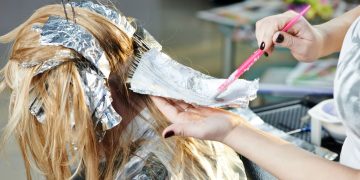
- Coloring, bleaching, perming, and relaxers disrupt protein structure and deplete moisture.
- Overlapping chemical services increase cumulative damage.
C. Environmental Factors
- Sun exposure, wind, chlorine, and hard water contribute to oxidative stress, making hair rough and dry.
D. Mechanical Stress
- Rough brushing, towel-drying, tight hairstyles, and friction can break hair shafts.
E. Improper Hair Care
- Frequent washing with harsh shampoos or skipping conditioner can strip moisture.
- Overuse of products with alcohol or sulfates exacerbates dryness and brittleness.
Key Insight: Identifying the main causes of your hair damage is the first step to designing a targeted repair strategy, as different causes require different treatments.
2. How Do Protein and Moisture Treatments Differ?
Damaged hair requires two essential types of repair: protein treatments to strengthen structure and moisture treatments to restore hydration. Knowing the difference is crucial.
A. Protein Treatments
- Proteins rebuild weakened keratin bonds and restore hair strength.
- Ideal for hair that feels mushy, limp, or excessively stretched.
- Common protein sources: hydrolyzed keratin, silk protein, wheat protein, and collagen.
Signs you need protein:
- Hair stretches excessively when wet
- Limp or gummy texture after washing
- Split ends and breakage are frequent
B. Moisture Treatments
- Moisture treatments replenish water content, improving elasticity, softness, and manageability.
- Suitable for hair that feels dry, coarse, or brittle.
- Common moisturizing ingredients: glycerin, aloe vera, coconut oil, shea butter, hyaluronic acid.
Signs you need moisture:
- Hair feels rough or straw-like
- Static, frizz, or tangling is frequent
- Ends feel dry despite conditioning
C. Balancing Protein and Moisture
- Overuse of protein can make hair stiff and prone to breakage
- Over-moisturizing can make hair limp and weak
- Rotate protein and moisture treatments depending on hair condition and response
Rule of Thumb: “Protein for strength, moisture for softness.” Evaluating hair texture weekly allows you to customize treatments for optimal repair.
3. Salon vs Home Remedies: Which Is More Effective?
Both professional salon treatments and at-home remedies have unique benefits. The choice depends on hair condition, budget, and convenience.
A. Salon Treatments
- Keratin treatments: Smooth frizz, strengthen hair, and add shine; best for chemically damaged hair
- Deep conditioning masks: Rich in protein, lipids, and botanical extracts; applied under heat for maximum penetration
- Olaplex and bond-repair systems: Rebuild internal hair bonds damaged by bleaching or coloring
- Scalp treatments: Promote hair growth and improve follicle health
Advantages: Professional-grade ingredients, heat-assisted penetration, and tailored solutions
Considerations: Higher cost, potential chemical exposure, and need for maintenance
B. Home Remedies
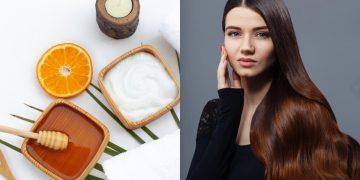
- DIY masks: Coconut oil, honey, avocado, and yogurt provide hydration and gentle protein
- Over-the-counter treatments: Deep conditioners, leave-in masks, and weekly protein treatments
- Heat-free treatments: Overnight masks or hot oil treatments improve moisture retention
Advantages: Affordable, convenient, customizable, natural ingredients
Considerations: Limited penetration, slower results, potential misuse or over-application
Tip: Combining salon and home treatments can maximize results. For example, a professional keratin treatment every 2–3 months paired with weekly home moisturizing masks ensures sustained repair.
4. What Does a Weekly Hair Repair Routine Look Like?
Consistency is key. A structured weekly routine balances protein, moisture, and protective care.
A. Daily Maintenance
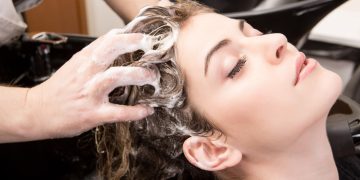
- Gentle shampoo 2–3 times per week; avoid sulfates
- Leave-in conditioner or lightweight oil for ends
- Minimize heat styling and chemical exposure
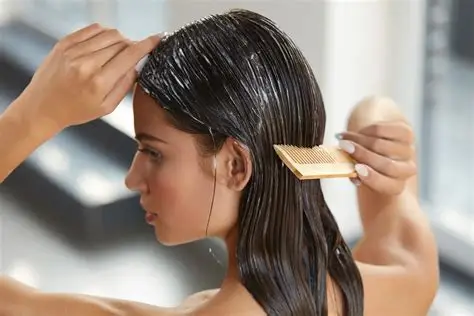
- Detangle hair gently with a wide-tooth comb
B. Monday: Moisture Mask
- Apply a hydrating mask rich in aloe, shea butter, or coconut oil
- Leave on 20–30 minutes under a shower cap
- Rinse with cool water to lock in moisture
C. Wednesday: Protein Treatment
- Use a protein-rich mask or treatment
- Follow instructions carefully; avoid overuse
- Focus on mid-lengths and ends, not scalp
D. Friday: Combined Repair
- Apply a light protein + moisture mask if hair is severely damaged
- Air-dry or use low-heat styling
E. Saturday/Sunday: Protective Care
- Limit washing and heat styling
- Apply leave-in treatments, heat protectants, or overnight masks
- Gentle brushing and minimal manipulation
F. Optional: Nighttime Care
- Silk or satin pillowcases reduce friction
- Light oil on ends prevents dryness
Tip: Observe your hair weekly; adjust mask frequency and type based on texture, dryness, and elasticity.
5. Additional Tips for Long-Term Hair Health
- Trim regularly: Split ends reduce further breakage
- Protect from sun and environmental stressors: Wear hats or UV-protective sprays
- Eat nutrient-rich diet: Protein, omega-3s, vitamins A, C, D, and E support hair growth
- Stay hydrated: Water intake improves elasticity and shine
- Minimize chemical treatments: Space out coloring, bleaching, and perming to allow repair
Key Insight: Hair repair is an ongoing process; consistent care and monitoring ensure long-lasting results rather than temporary fixes.
6. Final Thoughts: Can Damaged Hair Be Fully Restored?
While severely damaged hair may never return to its virgin state, strategic repair routines can significantly restore strength, softness, and shine. By understanding:
- What caused the damage
- How to balance protein and moisture
- When to use salon treatments versus home remedies
- How to implement a structured weekly repair routine
you can rejuvenate your hair and prevent further damage. With patience, consistent care, and informed choices, damaged hair can regain resilience, manageability, and vibrant health, allowing you to confidently showcase your best hair ever.