






















We’ve all heard the phrase “beauty sleep,” but its significance goes far beyond a catchy saying. Sleep is one of the most potent yet overlooked tools for maintaining a youthful appearance and radiant skin. While skincare products can improve the surface, it is during sleep that the body performs critical repair, detoxification, and rejuvenation processes that directly affect the skin. Optimizing sleep isn’t just about duration—it’s about quality, timing, and routines that enhance your natural beauty from the inside out.
This comprehensive guide explores sleep hygiene, nighttime skincare routines, supplements for better sleep, and strategies to avoid the damaging effects of sleep deprivation on skin, helping you unlock the full potential of restorative beauty sleep.
Why Sleep Matters for Youthful Skin
Sleep affects nearly every aspect of skin health. During rest, the body enters repair mode, producing growth factors and hormones that directly impact cellular function.
1. Collagen Production and Skin Repair
- Growth hormone peaks during deep sleep, stimulating collagen production.
- Collagen maintains skin elasticity, reducing fine lines and sagging.
2. Cellular Renewal
- Skin cells undergo division and repair during the night, replacing damaged cells.
- Lack of sleep slows this process, leading to dullness and uneven texture.
3. Moisture Retention
- Sleep influences hydration by regulating water balance in skin tissues.
- Insufficient rest can result in dry, flaky skin, and increased sensitivity.
4. Immune and Barrier Function
- Sleep strengthens the skin barrier, enhancing its ability to defend against irritants and pathogens.
- Chronic sleep deprivation can increase inflammation, triggering breakouts, redness, and eczema flare-ups.
5. Reducing Stress Hormones
- Cortisol, the stress hormone, rises with poor sleep, increasing sebum production and accelerating aging.
Sleep Hygiene for Radiant Skin
Good sleep hygiene creates an environment and routine that promotes restorative rest, benefiting both body and skin.
1. Maintain a Consistent Sleep Schedule
- Go to bed and wake up at the same time every day, even on weekends.
- Consistency helps regulate circadian rhythms, which govern hormone release and skin repair.
2. Create a Restful Environment
- Keep your bedroom cool (around 18–22°C) and dark to facilitate melatonin production.
- Reduce noise and consider blackout curtains or sleep masks.
- Limit exposure to blue light from screens at least one hour before bedtime.
3. Mindful Pre-Sleep Routine
- Engage in relaxing activities such as reading, gentle stretching, or meditation.
- Avoid heavy meals, caffeine, and alcohol close to bedtime.
- Practice deep breathing or progressive muscle relaxation to lower cortisol levels.
4. Optimize Sleep Duration
- Adults generally need 7–9 hours of quality sleep per night.
- Short or fragmented sleep reduces growth hormone release, impairing collagen production and skin regeneration.

Nighttime Skincare Routines to Complement Sleep
The right skincare routine at night maximizes skin repair and hydration during sleep.
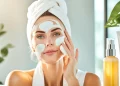
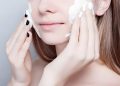
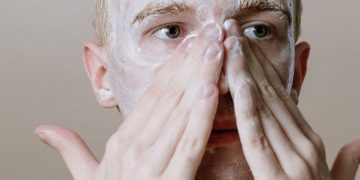
1. Gentle Cleansing
- Remove makeup, sunscreen, and pollutants to allow the skin to breathe and regenerate.
- Use mild cleansers to avoid stripping natural oils.
2. Exfoliation (2–3 Times a Week)
- Promotes cell turnover and smooth skin texture.
- Avoid over-exfoliation, which can irritate and compromise the skin barrier.
3. Targeted Serums
- Retinoids or peptides at night stimulate collagen and repair damage.
- Antioxidants like vitamin C can be used in the evening to reduce oxidative stress.
4. Moisturizer and Occlusive Layers
- Seal in hydration to support barrier function.
- Use night creams rich in hyaluronic acid, ceramides, or natural oils to maintain moisture.
5. Eye Care
- The delicate eye area benefits from creams that address puffiness, dark circles, and fine lines.
6. Overnight Masks (Optional)
- Provide intense hydration and support skin recovery, especially for dry or sensitive skin.
Supplements for Better Sleep and Skin Rejuvenation
Certain nutrients and compounds can enhance sleep quality and, indirectly, skin health.
1. Melatonin
- A hormone regulating sleep cycles.
- Short-term supplementation may help with circadian rhythm disruptions.
2. Magnesium
- Supports relaxation and reduces stress-induced cortisol.
- Found in supplements or magnesium-rich foods like nuts, seeds, and leafy greens.
3. Collagen Peptides
- Supports skin elasticity and hydration while also promoting restful sleep when consumed in the evening.
4. L-Theanine
- An amino acid found in green tea that promotes relaxation without drowsiness.
5. Herbal Aids
- Chamomile, valerian root, and passionflower can enhance relaxation and sleep onset.
Avoiding Sleep-Deprived Skin Pitfalls
Sleep deprivation manifests quickly on the skin, and chronic lack of rest accelerates aging.
1. Puffy Eyes and Dark Circles
- Fluid retention and slow lymphatic drainage cause puffiness.
- Reduced oxygenation contributes to dark circles.
2. Dull Complexion
- Slowed cell turnover and poor circulation result in uneven tone and lack of glow.
3. Increased Breakouts
- Higher cortisol levels increase sebum production and inflammation, promoting acne.
4. Fine Lines and Loss of Elasticity
- Collagen and elastin synthesis are hindered, causing premature wrinkles.
5. Sensitivity and Barrier Compromise
- Lack of sleep weakens the skin barrier, making it prone to irritation and environmental damage.
Practical Tips to Optimize Beauty Sleep
- Set a consistent sleep schedule and stick to it.
- Keep your bedroom cool, dark, and quiet.
- Avoid caffeine and alcohol within 4–6 hours of bedtime.
- Follow a gentle, nourishing nighttime skincare routine.
- Incorporate relaxing pre-sleep rituals such as reading, stretching, or meditation.
- Use silk or satin pillowcases to reduce friction and wrinkles.
- Consider supportive supplements like magnesium, melatonin, or collagen if needed.
- Hydrate during the day but avoid excessive fluids right before bed.
- Avoid blue light exposure from phones, tablets, or TVs before sleep.
- Manage stress through journaling, mindfulness, or breathing exercises.
Conclusion
Beauty sleep is not just a myth—it is a vital process that allows the skin and body to repair, regenerate, and restore balance. By optimizing sleep hygiene, establishing a targeted nighttime skincare routine, using supplements when necessary, and avoiding the pitfalls of sleep deprivation, you can significantly improve your complexion, reduce the signs of aging, and maintain a youthful appearance. Prioritizing restorative sleep is one of the most powerful, natural strategies for glowing, healthy skin, proving that true beauty is cultivated from the inside out.