

























For decades, the connection between diet and acne was dismissed as a myth. However, a growing body of rigorous scientific evidence has unequivocally overturned this notion, revealing that what you eat plays a profound role in either calming or exacerbating inflammatory skin conditions. While topical treatments address the symptoms on the surface, they often ignore the internal fire fueling the breakouts. Acne, at its core, is an inflammatory disease. The journey to clear skin, therefore, must include a strategy to quell this internal inflammation. An anti-inflammatory diet is not a fleeting trend but a sustainable, science-backed approach to managing acne from the inside out. This comprehensive guide will identify the primary dietary triggers, provide delicious, skin-friendly recipes, outline a simple meal-planning strategy, and highlight the essential lifestyle factors that work synergistically with your diet to promote a calm, clear, and resilient complexion.
Identifying the Culprits: The Top Dietary Triggers for Inflammation and Acne
The link between diet and acne primarily revolves around three mechanisms: spiking insulin levels, promoting inflammation, and disrupting hormonal balance. The following foods are the most common offenders.
- High-Glycemic Foods: The Insulin Spikers
- What They Are: Foods that are rapidly broken down into sugar in the bloodstream. This includes white bread, white rice, pasta, sugary cereals, pastries, soda, and candy.
- How They Trigger Acne: A surge in blood sugar leads to a corresponding spike in the hormone insulin. Elevated insulin levels increase the production of skin oils (sebum) and promote inflammation throughout the body. It also influences other hormones that can clog pores. Studies have consistently shown that populations consuming low-glycemic diets have significantly lower rates of acne.
- Dairy: The Hormonal and Inflammatory Cocktail
- The Evidence: Numerous large-scale studies have found a correlation between dairy consumption—particularly skim milk—and the prevalence and severity of acne.
- How It Triggers Acne:
- Hormones: Cow’s milk contains natural growth hormones and hormone precursors (like IGF-1) that can disrupt human hormonal balance, stimulating oil glands.
- Inflammation: For many, dairy is a pro-inflammatory food, capable of triggering systemic inflammation that manifests in the skin.
- Whey and Casein: The proteins in milk, especially whey protein powder, are strongly linked to breakouts due to their impact on insulin and IGF-1.
- Highly Processed Foods and Unhealthy Fats
- What to Avoid: Foods high in trans fats, excessive omega-6 fatty acids (common in processed vegetable oils like corn and soybean oil), and artificial additives.
- How They Trigger Acne: These fats and processed ingredients are building blocks for pro-inflammatory molecules in the body. A diet high in omega-6s and low in anti-inflammatory omega-3s creates an internal environment primed for inflammation.
Recipes for Radiance: Simple, Skin-Friendly Meals
Transitioning to an anti-inflammatory diet is about abundance, not deprivation. Focus on whole, nutrient-dense foods.
Breakfast: Omega-3 Power Smoothie
- Why it Works: Chia seeds and flaxseeds are rich in omega-3s to fight inflammation. Berries are low-glycemic and packed with antioxidants. Spinach provides skin-supporting vitamins.
- Recipe: Blend 1 cup unsweetened almond milk, 1/2 cup frozen blueberries, a large handful of spinach, 1 tbsp chia seeds, 1 tbsp ground flaxseed, and a scoop of collagen peptides (optional for protein).
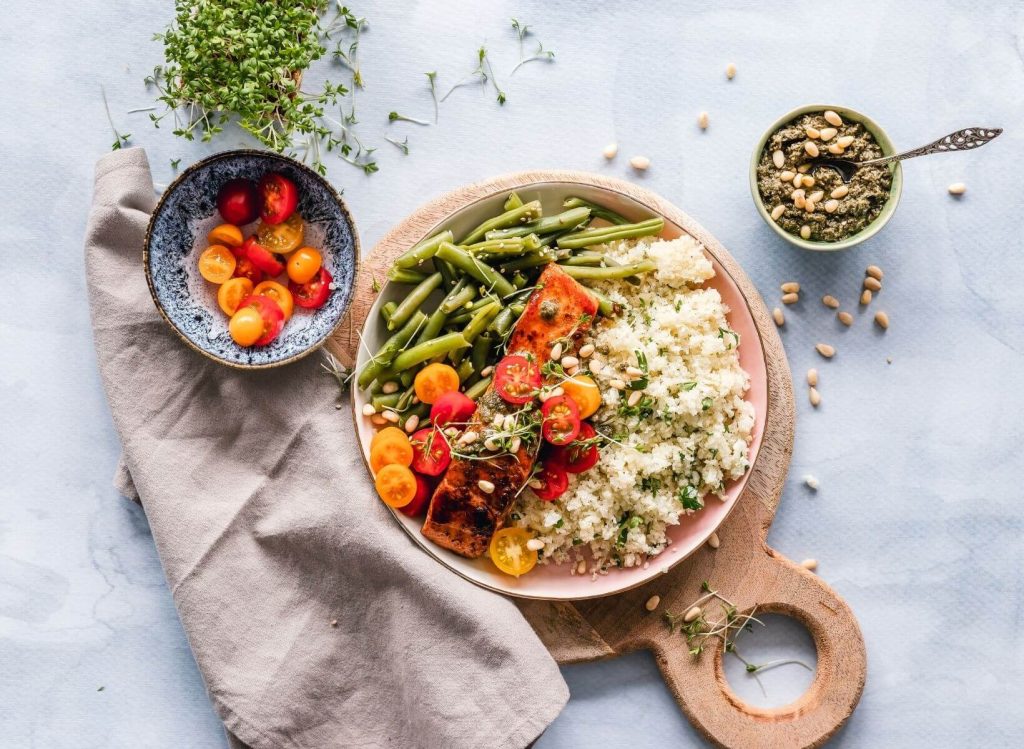
Lunch: Quinoa Power Bowl with Salmon
- Why it Works: Quinoa is a low-glycemic, protein-rich grain. Wild-caught salmon is one of the best sources of EPA and DHA, the most potent anti-inflammatory omega-3 fats. Leafy greens and colorful vegetables are full of antioxidants.
- Recipe: Combine 1 cup of cooked quinoa with a 4-oz grilled or baked salmon fillet. Top with a large handful of mixed greens, cherry tomatoes, cucumber, and avocado. Drizzle with a simple dressing of olive oil, lemon juice, and turmeric.
Dinner: Lentil and Vegetable Curry
- Why it Works: Lentils are an excellent source of fiber and plant-based protein that stabilizes blood sugar. Turmeric and ginger are powerful anti-inflammatory spices.
- Recipe: Sauté onion and garlic in coconut oil. Add 1 tbsp curry powder and 1 tsp each of turmeric and grated ginger. Stir in 1 cup of dried red lentils and 3 cups of vegetable broth. Simmer until lentils are tender. Add in chopped kale or spinach in the last 5 minutes of cooking. Serve with a small portion of brown rice.
Strategic Meal Planning for Consistent Results
Consistency is key. A simple meal-planning approach can make this lifestyle effortless.
- The “Build a Bowl” Method: This is the most flexible strategy. Every week, prepare batches of:
- A Base: Quinoa, brown rice, or mixed greens.
- A Protein: Baked salmon, grilled chicken, chickpeas, or lentils.
- Roasted Vegetables: Broccoli, sweet potatoes, bell peppers, zucchini.
- A Healthy Fat: Avocado, a simple olive oil vinaigrette, or a handful of nuts.
Each meal becomes a simple assembly of these components, ensuring a balanced, anti-inflammatory plate every time.
- Smart Snacking: Keep blood sugar stable between meals with snacks like an apple with almond butter, a handful of walnuts, or carrot sticks with hummus.
- Hydration Focus: Water is essential for flushing out toxins and keeping skin hydrated. Herbal teas like spearmint tea can be particularly beneficial, as some studies suggest it may help reduce androgen levels that contribute to acne.
Lifestyle Support: The Essential Partners to Your Diet
Diet is a powerful tool, but it works best when supported by other anti-inflammatory lifestyle habits.
- Stress Management: Chronic stress elevates cortisol, which in turn increases oil production and inflammation. Incorporate daily stress-reduction practices such as:
- Mindfulness or Meditation: Even 10 minutes a day can lower cortisol.
- Yoga: Combines physical movement with breathwork for profound stress relief.
- Adequate Sleep: Aim for 7-9 hours per night. Sleep is when your body repairs itself and regulates hormones.
- Gentle, Consistent Exercise: Regular physical activity improves circulation, helps manage stress, and can reduce inflammation. Avoid overly intense workouts that you don’t recover from, as they can have the opposite effect.
- Patience and a Food Journal: It can take 4-6 weeks of consistent dietary change to see a noticeable difference in your skin. Keep a food and symptom journal to help identify your personal triggers. You might discover that you are sensitive to a food not on the “common” list, like eggs or nightshades.
Conclusion: A Foundational Approach to Lifelong Skin Health
Viewing acne through the lens of inflammation transforms your approach from a superficial battle to a foundational journey toward overall health. An anti-inflammatory diet is not a restrictive punishment but an empowering choice to nourish your body with foods that heal rather than harm. By eliminating high-glycemic foods and dairy, embracing whole foods rich in omega-3s and antioxidants, and supporting your diet with stress management and quality sleep, you create an internal environment where inflammation cannot thrive. This approach may not be a quick fix, but it offers something far more valuable: a sustainable, holistic path to not only clearer skin but also enhanced vitality and long-term wellness.