





If you’ve ever felt like your skin and hair have a mind of their own—flawless and voluminous one week, then breaking out and limp the next—you’re not imagining things. This monthly cycle is not random; it is a meticulously orchestrated dance of hormones that directly influences the health and appearance of your largest organs: your skin and hair. Understanding this internal rhythm is the key to moving from a reactive to a proactive beauty and wellness routine. By syncing your skincare, haircare, and lifestyle with your menstrual cycle, you can anticipate changes, mitigate negative effects, and harness the power of your hormones when they are most beneficial. This guide will map the four key phases of the menstrual cycle, explain the science behind hormonal acne and hair shedding, and provide targeted nutritional and lifestyle strategies to help you navigate each phase with grace and confidence.
The Four-Phase Symphony: Mapping Your Cycle’s Effect on Skin and Hair
The average 28-day menstrual cycle is governed by the precise rise and fall of key hormones: estrogen, progesterone, and testosterone. Each phase presents a unique hormonal environment with distinct effects.
1. The Menstrual Phase (Days 1-5): The Time for Gentle Nurturing
- Hormonal Landscape: Estrogen and progesterone are at their absolute lowest point.
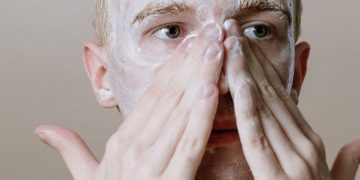
- Skin Impact: With the protective, hydrating effects of estrogen gone, skin can appear dull, pale, and feel more sensitive or dry. The anti-inflammatory effect of estrogen is absent, which can make any existing redness or irritation more noticeable.
- Hair Impact: This is a relatively neutral phase for hair, a calm period before the growth-focused phase begins.
- Key Focus: Gentleness and hydration.
2. The Follicular Phase (Days 6-14): The Glow-Up
- Hormonal Landscape: Estrogen rises steadily, peaking just before ovulation. Testosterone begins a slow, gradual rise.
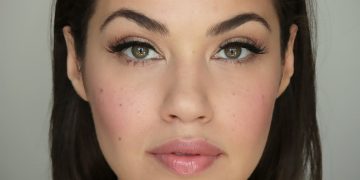
- Skin Impact: This is your skin’s “golden period.” Rising estrogen stimulates the production of collagen, hyaluronic acid, and ceramides. The result is skin that is plump, hydrated, smooth, and radiant. Pores may appear smaller, and skin has a natural glow.
- Hair Impact: The rising estrogen creates a prolonged anagen (growth) phase. Hair looks its shiniest, healthiest, and strongest.
- Key Focus: Active treatments and enjoying your natural radiance.
3. The Ovulatory Phase (Days 15-17): The Peak and The Turn
- Hormonal Landscape: Estrogen peaks and then drops sharply. Luteinizing Hormone (LH) surges to trigger ovulation. Testosterone reaches its monthly peak.
- Skin Impact: The high testosterone can begin to stimulate sebum production in some women, marking the beginning of the premenstrual skin changes. The skin is still generally good but may start to show signs of oiliness.
- Hair Impact: Hair continues to look great, but the hormonal shift can mark the end of the peak “good hair” days.
- Key Focus: Maintaining balance as hormones shift.
4. The Luteal Phase (Days 18-28): The Pre-Menstrual Challenge
- Hormonal Landscape: Progesterone rises and becomes the dominant hormone. Estrogen rises again, but is counteracted by progesterone. Both hormones plummet in the final days before your period.
- Skin Impact: This is the prime time for hormonal acne. Progesterone stimulates sebum production, while its decline, coupled with the premenstrual drop in estrogen, creates a perfect storm: pores are clogged with excess oil, and the skin is more inflamed and susceptible to bacteria. Skin can be oilier, more congested, and inflamed.
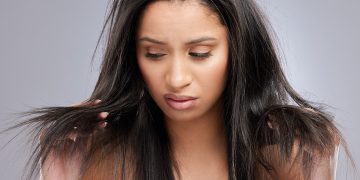
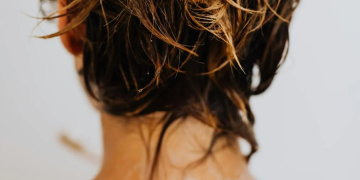
- Hair Impact: As progesterone and estrogen fall, the body can become more sensitive to androgens (like testosterone), which can shorten the hair growth cycle. This is when you may notice increased shedding in the shower or brush.
- Key Focus: Oil control, calming inflammation, and stress management.
Decoding the Challenges: Hormonal Acne and Hair Shedding
Hormonal Acne:
This typically appears along the jawline, chin, and lower cheeks. It’s often deep, cystic, and painful. The trigger is the relative increase in androgens (like testosterone) during the Luteal phase, which enlarges sebaceous glands and increases oil production. This excess oil mixes with dead skin cells, clogging pores and creating an environment where acne-causing bacteria thrive.
Hair Shedding:
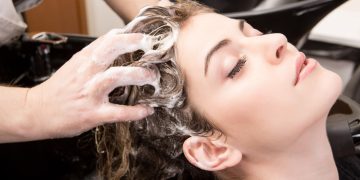
The increase in shedding you notice during the Luteal phase or even into the Menstrual phase is known as telogen effluvium. The dramatic shift in hormone levels—specifically the sharp decline in estrogen and progesterone—signals a higher-than-usual number of hairs to prematurely enter the telogen (shedding) phase. This is usually temporary, and the hair cycle should normalize as your next cycle begins.
Nutritional Support: Fueling Your Body Through Each Phase
You can use food to support your body’s changing hormonal needs.
- Menstrual & Follicular Phases (Building Back Up):
- Iron-Rich Foods: Replenish iron lost through menstruation with leafy greens, lentils, and lean red meat. Iron is crucial for carrying oxygen to hair follicles and skin cells.
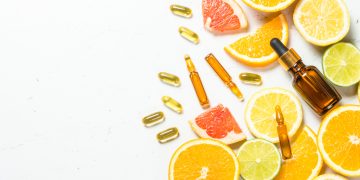
- Vitamin C: Pair iron-rich foods with vitamin C (bell peppers, citrus, broccoli) to enhance absorption.
- Zinc: Supports skin healing and immune function (pumpkin seeds, chickpeas).
- Luteal Phase (Combating Cravings and Inflammation):
- Magnesium: Levels drop pre-menstrually, contributing to cravings and mood swings. Load up on dark leafy greens, nuts, seeds, and dark chocolate (70%+).
- B Vitamins: Crucial for energy production and managing stress. Found in whole grains, eggs, and avocados.
- Omega-3 Fatty Acids: Powerful anti-inflammatories to counteract pre-menstrual skin inflammation (fatty fish, walnuts, flaxseeds).
- Fiber: Helps balance blood sugar, reducing insulin spikes that can further aggravate hormonal acne (vegetables, fruits, whole grains).
Lifestyle Adjustments: Syncing Your Routine for Balance
Tailor your skincare, fitness, and self-care to your cycle.
- Skincare Cycle:
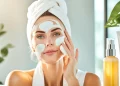
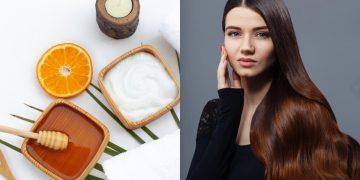
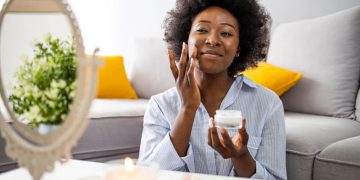
- Menstrual/Follicular: Focus on hydration with hyaluronic acid serums and gentle, nourishing ingredients. It’s a great time for a hydrating mask.
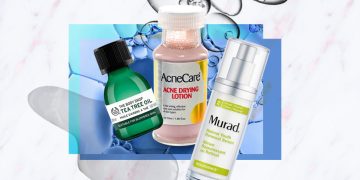
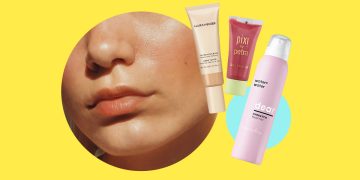
- Luteal: Switch to oil-control and anti-inflammatory products. Incorporate a BHA (salicylic acid) toner or serum to deep-clean pores. Use a clay mask to manage oil. Avoid heavy, pore-clogging products.
- Fitness Cycle:
- Menstrual: Listen to your body. Gentle movement like walking, yoga, or stretching can ease cramps and boost mood without adding stress.
- Follicular/Ovulatory: Your energy and stamina are at their peak. This is the ideal time for high-intensity interval training (HIIT), strength training, and challenging workouts.
- Luteal: As progesterone rises, you may feel more fatigued. Focus on moderate, steady-state cardio like jogging, cycling, or Pilates.
- Stress Management:
- The Luteal phase is when you are most vulnerable to stress due to hormonal fluctuations. Prioritize sleep, practice deep breathing or meditation, and carve out time for rest. High cortisol (the stress hormone) can worsen both acne and hair loss.
Conclusion: Embracing Your Body’s Natural Wisdom
Your menstrual cycle is not a curse but a source of powerful biological intelligence. By tuning into its rhythm, you can stop fighting your body and start working with it. Tracking your cycle allows you to predict and proactively manage skin and hair changes, transforming frustration into empowerment. When you understand that a pimple on your chin is a signal of your luteal phase or that extra hair in the brush is a temporary side effect of a hormonal shift, you can respond with knowledge and compassion. This cyclical awareness fosters a deeper, more harmonious relationship with your body, allowing you to nurture it appropriately throughout the month and celebrate the unique power of your hormonal ebb and flow.