





















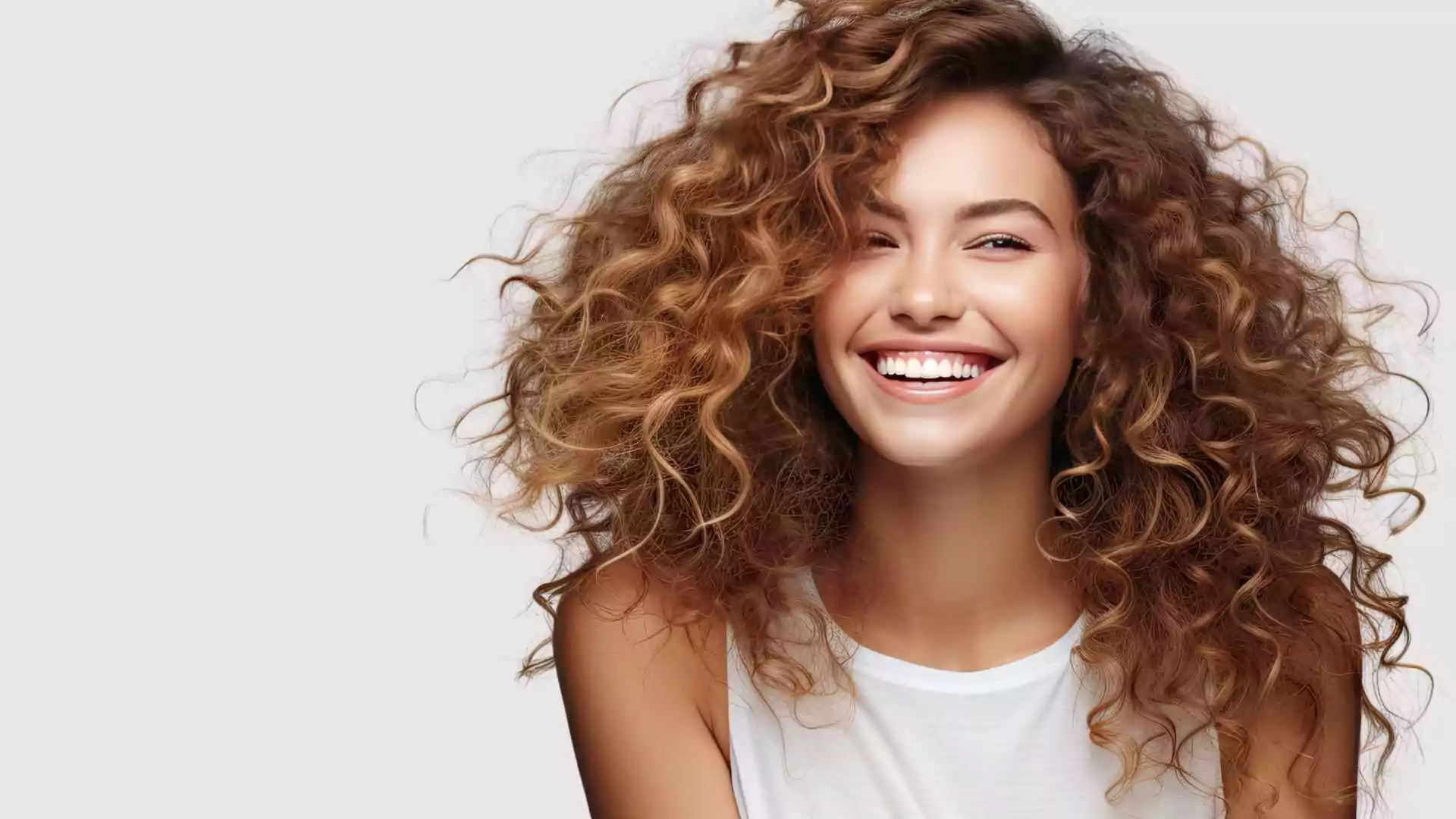
Curly hair is beautiful, expressive, and full of personality—but it also requires intention, consistency, and the right techniques to look its best. Unlike straight hair, curls depend heavily on moisture balance, gentle handling, and the right product layering to stay defined and frizz-free. If you’ve ever felt overwhelmed trying to figure out your curl pattern, wash schedule, or styling method, you’re not alone. The good news: a structured routine built around your hair’s needs can transform your curls from unpredictable to reliably stunning.
This comprehensive guide walks you through curl categories, wash day essentials, must-have styling products, and nighttime protective habits so you can create a personalized curly hair routine that actually works—day after day.
1. What Are the Different Curly Hair Categories and How Do They Affect Your Routine?
Understanding your curl pattern helps you choose the right products, techniques, and expectations. Curls fall into a broad spectrum based on shape, tightness, and density.
A. Type 2: Wavy Hair (2A, 2B, 2C)
Waves are S-shaped patterns that range from loose to well-defined.
2A: Loose, fine waves; easily weighed down
2B: More definition, moderate frizz
2C: Thick, voluminous waves with tighter bends
Characteristics:
- Prone to frizz
- Needs lightweight products
- Can become greasy at the roots
Routine needs:
Hydration + light styling + avoiding heavy oils or butters
B. Type 3: Curly Hair (3A, 3B, 3C)
Spiral curls with varying tightness.
3A: Loose, big spirals
3B: Ringlets with more bounce
3C: Corkscrew curls, dense and full
Characteristics:
- Needs more moisture
- Shrinkage increases with curl tightness
- Prone to dryness and frizz
Routine needs:
Cream-based stylers + gel + gentle cleansing + regular conditioning
C. Type 4: Coily & Kinky Hair (4A, 4B, 4C)
Tightest curl pattern with Z-shaped or spiraled coils.
4A: Defined coils
4B: Z-pattern curls
4C: Minimal definition, most shrinkage
Characteristics:
- Very fragile
- Easily dries out
- Requires intense moisture and protection
Routine needs:
Deep conditioning + butters + oils + protective styles
Minimal heat and maximum hydration
2. What Should Wash Days Look Like for Healthy Curly Hair?
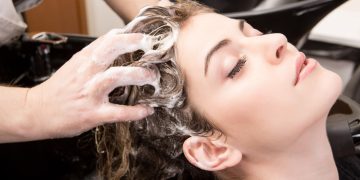
Wash day isn’t just about cleansing—it’s about preparing curls for a week of definition, softness, and hydration. A good wash day supports curl structure from start to finish.
A. Step 1: Pre-Wash (Optional but Highly Recommended)
Best for curls that tangle easily.
Options:
- Apply oil (coconut, argan, or jojoba)
- Use a detangling conditioner
Benefits:
- Reduces breakage
- Adds slip
- Protects curls from shampoo stripping
B. Step 2: Cleansing (Choose Based on Hair Needs)
1. Gentle Sulfate-Free Shampoo
Use when curls are dry or mid-week.
2. Clarifying Shampoo
Use every 2–4 weeks to remove:
- Buildup
- Hard water minerals
- Silicone residue
3. Co-Washing
Washing with conditioner.
Best for:
- Coily hair
- Curls needing more hydration
- Very dry climates
C. Step 3: Conditioning
No curl routine works without this step.
What to do:
- Apply conditioner generously
- Detangle with fingers or a wide-tooth comb
- Let it sit 3–5 minutes
- Rinse lightly (leaving some in helps hydration)
D. Step 4: Deep Conditioning (Weekly or Biweekly)
Essential for dryness, frizz, or breakage.
Choose:
Moisture masks for hydration
Protein masks for strength
Signs you need protein:
- Limp curls
- Excessive breakage
- Loss of elasticity
E. Step 5: Final Rinse
Options include:
- Cold water rinse to smooth cuticles
- Rice water rinse for added strength
- Apple cider vinegar rinse for shine and scalp balance

3. What Styling Products Do Curly Hair Types Need Most?
Styling is where curls come to life. A product combination that defines curls without weighing them down is the key to long-lasting shape.
A. Leave-In Conditioner
Purpose:
- Keeps curls hydrated
- Provides slip
- Reduces frizz
Best for:
- Type 3 & Type 4 curls
- Dry climates
- Post-wash styling
B. Curl Cream
Purpose:
- Enhances curl formation
- Softens curls
- Helps clump strands
Best for:
- Type 2C–4C
- Thick or coarse hair
- Frizzy textures
C. Gel or Custard
Purpose:
- Defines curls
- Extends hold
- Reduces frizz
- Creates a long-lasting cast
Best for:
- All curl types
- Humid climates
Tip: “Scrunch out the crunch” once the gel dries to soften curls.
D. Mousse
Purpose:
- Adds volume
- Lightweight hold
Best for:
- Wavy hair
- Fine curls
E. Oils & Serums (Sealing Step)
Purpose:
- Locks in moisture
- Adds shine
- Reduces frizz
Best for:
- Type 3 & 4 hair
- Dry or rough ends
Use sparingly on waves.
F. Tools You May Use
- Denman brush
- Microfiber towel
- Diffuser
- Wide-tooth comb
These tools help curls clump, dry gently, and retain structure.
4. How Do You Protect Curly Hair at Night?
Night protection determines how good your curls look the next day. Without it, curls flatten, frizz, and tangle.
A. Sleep on Silk or Satin
Use:
- Silk/satin pillowcases
- Bonnets
- Silk scarves
Benefits:
- Less friction
- Less dryness
- Longer-lasting curls
B. Use Protective Hairstyles
Nighttime curl-saving styles include:
- Pineapple (high loose ponytail)
- Loose braids
- Twists
- Satin scrunchies
Waves: loose braids
Curls: pineapple
Coils: twists
C. Apply a Light Oil or Refresh Spray
Before bed:
- Mist curls with water + leave-in
- Add a pea-size oil for ends
During sleep, curls hydrate and recover.
D. Morning Curl Refreshing
When you wake up:
- Use a water mist
- Apply a small amount of curl cream or gel
- Scrunch to revive definition
- Diffuse for volume
Avoid brushing—this breaks curl clumps.
Final Thoughts: How Do You Build a Routine That Works Every Time?
The most effective curly hair routine is:
Consistent, not complicated.
You don’t need 20 products—you need the right ones.
Moisture-focused, not moisture-heavy.
Hydration is key, but too much product creates buildup.
Personalized, not copied.
Your curl type, density, porosity, and lifestyle determine what works for you.
Protective, not restrictive.
Gentle handling and nighttime protection keep curls looking fresh.
When you understand your curl pattern, build a structured wash day, use smart styling techniques, and protect your hair overnight, your curls will thrive—day after day.