


























Laser hair removal has become one of the most popular and effective methods of long-term hair reduction. It offers a more permanent solution compared to traditional hair removal methods like shaving, waxing, or plucking. The procedure uses concentrated light to target hair follicles, disabling their ability to grow new hair. While it has numerous advantages, it’s important to understand the ins and outs of laser hair removal before booking your appointment. In this guide, we’ll break down everything you need to know about laser hair removal, including how it works, its pros and cons, and what you can expect during and after the treatment.
1. How Does Laser Hair Removal Work?
Laser hair removal is a medical procedure that uses a laser—a beam of highly concentrated light—to remove unwanted hair. During the procedure, the laser light is absorbed by the pigment (melanin) in the hair. The heat from the light damages the hair follicle, which inhibits future hair growth without harming the surrounding skin. The treatment is most effective during the hair growth phase, which is why multiple sessions are necessary for optimal results.
The Science Behind It
Laser hair removal relies on the concept of selective photothermolysis, which involves using specific wavelengths of light to target and destroy the hair follicle. The light energy is absorbed by the melanin in the hair, which then converts it to heat. This heat destroys the follicle, preventing it from producing new hair.
Different Types of Lasers
Not all lasers are the same, and the type of laser used during the procedure depends on your skin type and hair color. Some of the most commonly used lasers for hair removal include:
- Alexandrite Laser: Best for light to olive skin tones and works well for finer hair.
- Diode Laser: Effective for all skin types, especially darker skin tones.
- Nd:YAG Laser: Most effective for dark skin, as it has a longer wavelength that can penetrate deeper.
- Ruby Laser: Suitable for light skin and fine hair but less commonly used today.
Your technician will choose the right type of laser based on your individual needs.
2. Who Is a Good Candidate for Laser Hair Removal?
Laser hair removal can work for most skin types, but it’s especially effective for those with light skin and dark hair. The contrast between light skin and dark hair allows the laser to target the hair follicles more effectively. However, people with darker skin tones can also benefit from laser hair removal using specific lasers designed for their skin type.
Factors to Consider Before Getting the Treatment:
- Hair Color: Laser hair removal works best on dark, coarse hair. Light or gray hair may not respond as well to the treatment because the laser targets pigment in the hair.
- Skin Type: Those with fair to medium skin tones generally have the best results. Darker skin tones may require more specific laser types, and extra care will be taken to avoid damage.
- Medical Conditions: Certain medical conditions, like active skin infections or severe acne, may make you ineligible for laser hair removal. Always consult with a certified professional to discuss any health concerns before booking the procedure.
- Pregnancy: Although laser hair removal is generally considered safe, it’s recommended to avoid it during pregnancy due to hormonal changes that could affect the skin’s sensitivity.
3. Benefits of Laser Hair Removal
There are numerous advantages to choosing laser hair removal as your preferred method for hair reduction.
Long-Term Results
Unlike shaving or waxing, which only provide temporary results, laser hair removal offers a more permanent solution. Most people require 6–8 sessions for long-lasting results, and after completing the full course, many see significant hair reduction that lasts for months or even years.
Precision and Speed
Laser hair removal is highly precise and can target multiple hair follicles at once, making it quicker than traditional hair removal methods. It can treat large areas like the legs or back in just a few minutes, while smaller areas, such as the upper lip or chin, take less than a minute.
Minimal Discomfort
Laser hair removal is generally less painful than waxing, although it can feel like a rubber band snapping against the skin. Many modern lasers come with cooling systems that minimize discomfort during the treatment.
Less Ingrown Hairs
Unlike shaving or waxing, which can cause ingrown hairs, laser hair removal can reduce the occurrence of ingrown hairs, making it an excellent option for those who struggle with this common issue.

4. What Are the Risks and Side Effects?
While laser hair removal is generally considered safe, there are some potential side effects and risks that you should be aware of.
Skin Irritation
Temporary redness, swelling, or irritation around the treatment area is common after laser hair removal. These side effects usually subside within a few hours to a few days. Applying a soothing lotion or ice pack can help alleviate discomfort.
Changes in Skin Pigmentation
In rare cases, laser hair removal can cause hyperpigmentation (darkening) or hypopigmentation (lightening) of the skin, especially for individuals with darker skin tones. This is more common if the wrong type of laser is used or if the skin is overexposed to sunlight after treatment. Always follow your technician’s aftercare instructions to minimize this risk.
Blistering or Scarring
While very rare, blistering or scarring can occur if the treatment is not done correctly. This can happen if the laser is set too high or if you don’t follow proper aftercare procedures.
Eye Injury
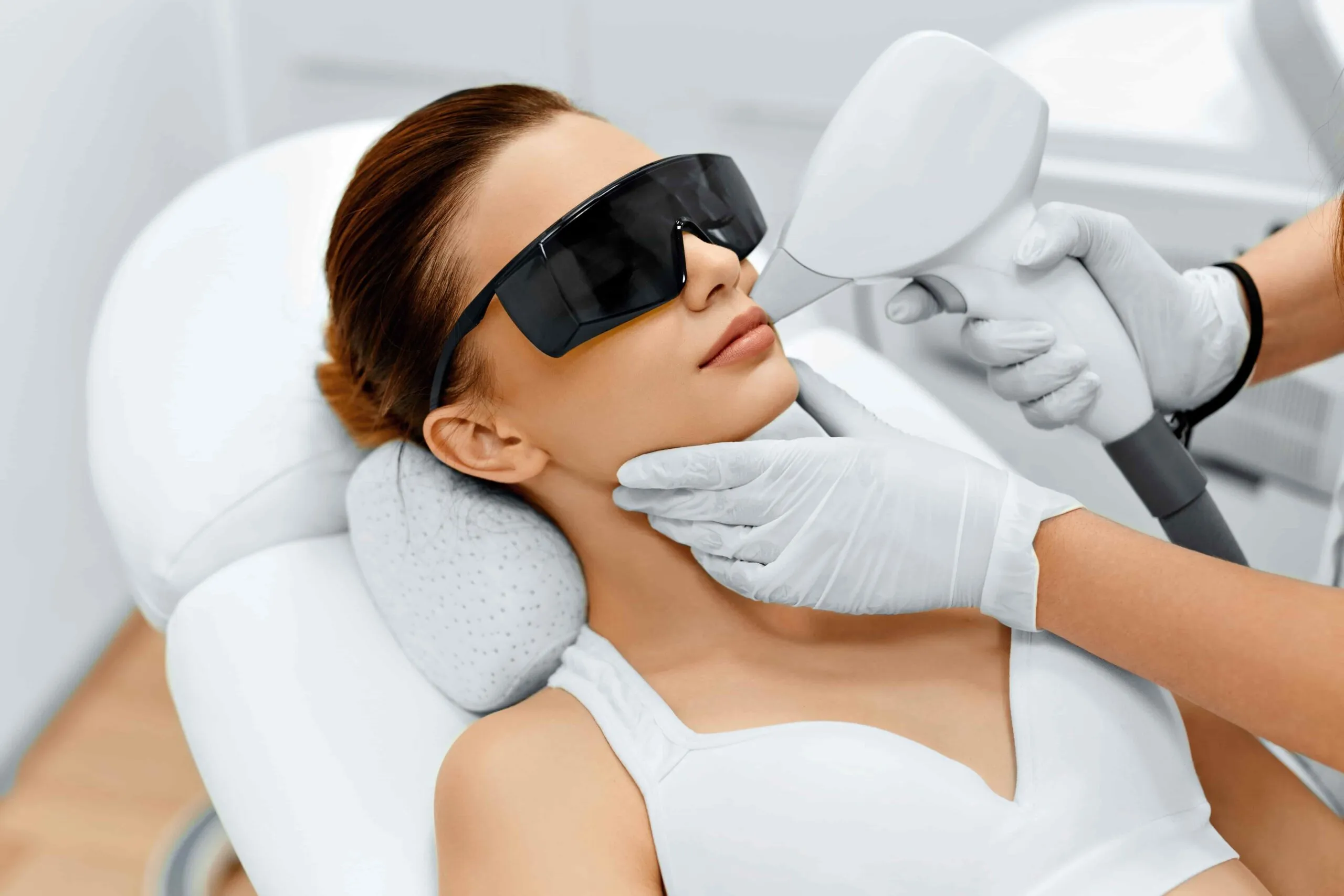
The eyes are particularly sensitive to laser light, so protective goggles are worn during the procedure to prevent eye damage. If the area being treated is close to the eyes, such as the upper lip or eyebrows, extra care will be taken.
5. What to Expect During Your Laser Hair Removal Session
Understanding what happens during the session can help ease any concerns and make the experience smoother.
Pre-Treatment Preparation
Before your first laser hair removal session, you may need to shave the treatment area. This ensures that the laser targets the hair follicles rather than the hair above the skin’s surface. Avoid waxing, plucking, or bleaching the hair for at least six weeks before treatment, as these methods can interfere with the laser’s effectiveness.
During the Procedure
You’ll be asked to wear protective eyewear to shield your eyes from the laser light. The technician will use a handheld device to deliver the laser to the treatment area. Depending on the area being treated, the procedure may take anywhere from 10 minutes to over an hour. During the session, you may feel a slight snapping or tingling sensation, which is usually mild and well-tolerated by most people.
Post-Treatment Care
After your session, you may experience some redness, swelling, or slight discomfort. These side effects typically subside within a few hours. Your technician will recommend post-treatment care, including avoiding sun exposure, wearing sunscreen, and avoiding hot showers or tight clothing that could irritate the treated area.
6. How Many Sessions Are Required?
While laser hair removal offers long-term results, multiple sessions are required to achieve the best outcome. This is because hair grows in cycles, and the laser can only target hair during the growth phase. Most people need between 6 and 8 treatments, spaced 4 to 6 weeks apart, to see optimal results. You may also need periodic touch-ups after your initial sessions to maintain smooth skin.
7. Is Laser Hair Removal Right for You?
Laser hair removal can be a game-changer for those looking for a long-term solution to unwanted hair. However, it’s not suitable for everyone. Before booking your appointment, consult with a licensed and experienced professional to discuss your individual skin and hair type, as well as any potential risks. They can help determine whether laser hair removal is the right choice for you.
Conclusion: A Safe and Effective Solution for Hair Removal
Laser hair removal is a safe and effective way to reduce unwanted hair with long-lasting results. With proper care, you can achieve smooth, hair-free skin that saves you time and effort in the long run. By understanding the procedure, its benefits, risks, and what to expect, you can make an informed decision about whether this treatment is right for you.