



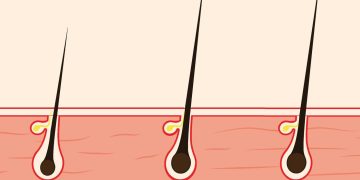






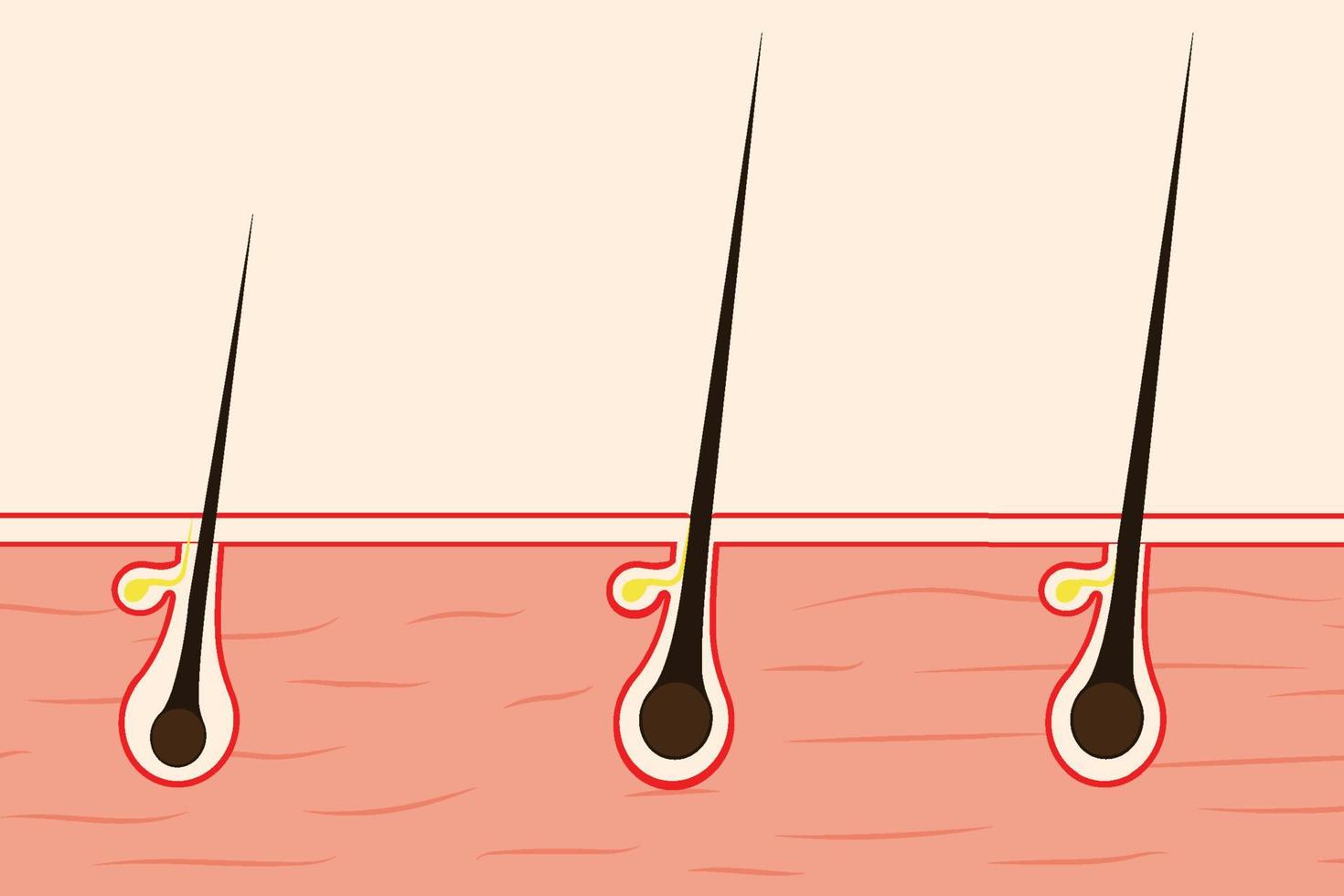
The quest for longer, thicker hair is a multi-billion dollar industry, saturated with anecdotal tips, miracle products, and ancient remedies. It can be overwhelming to discern what truly works amidst the marketing hype. The truth about hair growth lies not in a single magic potion, but in a holistic understanding of the hair growth cycle and the biological factors that support it. Hair growth is a complex process influenced by genetics, hormones, and overall health, but there are scientifically-proven methods to create an optimal environment for your hair to thrive. By focusing on foundational nutritional support, proven scalp stimulation techniques, eliminating damaging habits, and strategically using targeted supplements and topicals, you can actively support your body’s natural ability to grow strong, healthy hair. This guide will cut through the noise, focusing exclusively on strategies backed by robust scientific research to help you achieve your hair growth goals.
The Foundation: Nutritional Factors for Optimal Hair Growth
Hair follicles are among the most metabolically active cells in the body. To sustain the rapid cell division required for growth, they require a constant supply of specific nutrients. Think of your hair as a plant; without the right nutrients in the soil, it cannot flourish.
- Protein: The Building Block: Hair is primarily made of a protein called keratin. Inadequate protein intake is a well-documented cause of hair loss (telogen effluvium). The body will prioritize protein for essential functions over hair growth.
- Scientific Backing: Studies show that protein malnutrition directly leads to hair loss and depigmentation.
- Sources: Lean meats, fish, eggs, legumes, lentils, and tofu.
- Iron: The Oxygen Carrier: Iron is crucial for producing hemoglobin, which carries oxygen to cells, including the hair follicles. Iron deficiency (even without full-blown anemia) is a common cause of hair loss, especially in women.
- Scientific Backing: Research published in dermatology journals has consistently found a link between low ferritin (stored iron) levels and chronic telogen effluvium.
- Sources: Red meat, spinach, lentils, pumpkin seeds. Pair with Vitamin C to enhance absorption.
- Zinc: The Growth Regulator: Zinc plays a vital role in DNA and RNA transcription, which is essential for the highly proliferative hair follicle cells. It also helps maintain the function of oil glands around the follicles.
- Scientific Backing: Zinc deficiency is known to cause hair loss, and supplementation has been shown to reverse hair loss in those who are deficient.
- Sources: Oysters, beef, pumpkin seeds, lentils.
- Biotin (Vitamin B7): The Keratin Booster: While biotin deficiency is rare, it does cause hair loss. For individuals with a deficiency, supplementation is highly effective. For those with adequate levels, excess biotin is simply excreted, but it remains a key player in the keratin infrastructure.
- Scientific Backing: Case studies confirm that biotin supplementation resolves hair loss in deficient individuals.
- Sources: Eggs (with the yolk), almonds, sweet potatoes.
- Omega-3 Fatty Acids: The Anti-Inflammatory Support: Omega-3s help reduce systemic inflammation, which can negatively impact the hair growth cycle and contribute to conditions like alopecia areata.
- Scientific Backing: Their anti-inflammatory effects are well-documented, and a healthy scalp environment is crucial for follicle health.
- Sources: Fatty fish (salmon, mackerel), flaxseeds, walnuts.
Stimulating the Source: Scalp Circulation and Health
A well-circulated scalp delivers the necessary nutrients and oxygen to the hair follicles while removing waste products.
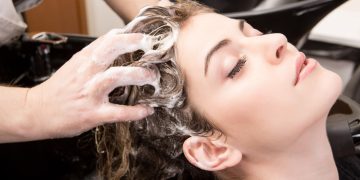
- Scalp Massage: More Than Just Relaxation:
- The Science: A 2016 study demonstrated that standardized scalp massage for 4 minutes daily over 24 weeks increased hair thickness. The proposed mechanisms are dermal papilla cell stimulation (which can promote hair growth) and stretching forces that can activate hair follicle growth pathways.
- How-To: Use your fingertips (not nails) to apply firm pressure in small, circular motions across the entire scalp for 5-10 minutes daily.
- Low-Level Laser Therapy (LLLT):
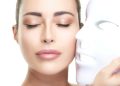
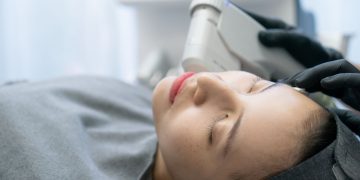
- The Science: LLLT, or photobiomodulation, uses red light wavelengths to stimulate cellular activity. It is believed to increase blood flow and reduce inflammation in the scalp. The FDA has cleared several laser caps and helmets as safe and effective for treating androgenetic alopecia (pattern hair loss) in both men and women.
- Application: This involves using a medical-grade laser cap or helmet at home several times a week as per the device’s instructions.
Eliminating the Obstacles: Avoiding Harmful Practices
Preventing damage is as important as promoting growth. Breakage can negate all your growth efforts.
- Traction and Tension: Chronic pulling from tight hairstyles like ponytails, braids, and buns can cause traction alopecia, a permanent form of hair loss. This is caused by constant inflammation damaging the follicle.
- High-Heat Styling: Excessive use of flat irons and blow dryers on high heat can cause “bubble hair” – a deformity where bubbles form within the hair shaft, leading to immediate breakage.
- Chemical Over-Processing: Frequent bleaching, perming, and relaxing significantly weaken the hair’s protein structure, leading to breakage well before the hair reaches its potential length.
- Aggressive Towel Drying: Rubbing wet hair with a rough towel creates immense friction and damages the fragile, swollen cuticle. Instead, gently squeeze out water with a microfiber towel or an old cotton t-shirt.
Strategic Enhancement: Supplements and Topical Solutions
When diet and lifestyle aren’t enough, targeted interventions can provide an extra boost.
Topical Solutions:
- Minoxidil (Rogaine): This is the most extensively researched and proven topical treatment. Its mechanism is not fully understood, but it is believed to widen hair follicles, prolong the growth (anagen) phase, and stimulate blood flow. It is effective for both men and women with pattern hair loss.
- Caffeine-Based Topicals: Emerging research suggests that topical caffeine can counteract the effects of testosterone derivatives on the follicle, potentially prolonging the growth phase. Studies show it can penetrate the hair follicle when applied topically.
Oral Supplements:
- Collagen Peptides: Some studies suggest that collagen supplementation can provide the amino acids necessary for hair building and may also act as an antioxidant to protect hair follicles.
- Saw Palmetto: This herbal supplement is thought to work by blocking 5-alpha-reductase, the enzyme that converts testosterone to DHT (dihydrotestosterone), which shrinks follicles in pattern hair loss. Some studies show promise, though more research is needed.
- A Note on Supplements: It is crucial to consult with a doctor or dermatologist before starting any new supplement regimen, especially if you have underlying health conditions or are taking other medications.
Conclusion: A Multi-Faceted, Scientific Approach
The secret to hair growth is not a single secret at all, but a symphony of evidence-based practices working in concert. There are no shortcuts, but there is a clear, scientific path: nourish the body from within with protein, iron, and zinc, stimulate the scalp through massage and potentially LLLT, protect the hair from physical and chemical damage, and consider proven topical and supplemental aids like minoxidil where appropriate. By adopting this comprehensive, patient, and science-backed approach, you move beyond hope and into the realm of strategic action, creating the ideal internal and external environment for your hair to reach its full, healthy potential.