














In an era of growing heat styling awareness, the quest for beautiful, defined curls without the accompanying damage has never been more relevant. The sizzle of a curling wand may deliver instant gratification, but the long-term cost—dryness, breakage, split ends, and compromised shine—is a price many are no longer willing to pay. This has sparked a massive resurgence in heatless curling methods, techniques that use simple tools like socks, rods, and fabric to set hair into waves and curls as you sleep or go about your day. But do these methods truly work for everyone? The answer is a resounding yes, provided you understand the unique language of your hair type. From the finest, straightest strands to the coiliest textures, heatless styling is a versatile and profoundly healthier alternative. This guide will explore the most effective braiding and twisting methods, provide overnight solutions for every hair type, recommend the right products for support, and share secrets for maintaining your beautiful, heat-free curls for days.
The Core Techniques: Braiding, Twisting, and Wrapping for Every Pattern
The foundation of heatless curls lies in manipulating damp or dry hair into a shape that, once released, falls into a soft, natural wave pattern. The technique you choose should align with your hair’s natural texture and desired result.
- The Classic Braid Method (Ideal for Straight to Wavy Hair):
- The Process: On damp hair, create two or more standard three-strand braids. For a more bohemian, undone wave, braid loosely. For a tighter, more defined crimp, braid very tightly.
- The Result: Creates a uniform, S-shaped wave that is soft and romantic. The more braids you create, the finer and more numerous the waves will be.
- Best For: This is the most universal method, but it works exceptionally well for those with straight or slightly wavy hair looking to add texture and wave.
- The Rope Twist Method (Ideal for Fine or Slippery Hair):
- The Process: Divide a section of hair into two equal parts. Twist the two sections around each other in a clockwise or counterclockwise direction, then loosely knot or wrap the resulting rope.
- The Science: This technique creates more tension and a tighter spiral than a standard braid, helping the style hold better in fine or silky hair that easily falls flat.
- The Result: Produces a more defined, springy spiral curl compared to the softer wave of a braid.
- The Headband or Sock Method (Ideal for Medium to Long Hair, All Textures):
- The Process: Take a soft, fabric headband or a rolled-up sock and place it around your head like a crown. Take small sections of damp hair and wrap them around the headband, tucking the ends under.
- The Result: Creates beautiful, uniform, face-framing curls that cascade down from the crown. The curl size is determined by the thickness of the sections you wrap.
- Best For: This method is fantastic for creating a consistent curl pattern all over the head and is gentle on all hair types, including those prone to breakage.
- The Pineapple and Plop for Curly Hair (Ideal for Wavy to Coily Hair):
- The Process: This is less about creating curl and more about preserving and enhancing natural curl patterns. “Plopping” involves piling damp, product-laden hair onto a cotton t-shirt or microfiber towel and tying it to dry, which reduces frizz and encourages curl clumping. The “Pineapple” is a loose, high ponytail for sleep that prevents curls from being flattened.
- The Result: Defined, frizz-free, and voluminous natural curls.
Overnight Solutions: The Art of the “Sleep and Reveal”
The magic of heatless curls often happens while you sleep. The key is comfort and preservation.
- Prepping Damp Hair: For most methods, hair should be about 80-90% dry. Soaking wet hair will take too long to dry and can lead to mildew or scalp issues. Towel-dry gently with a microfiber towel to avoid frizz, then apply your styling products.
- Choosing the Right Fabric: Your choice of wrapping material is crucial for comfort and results.
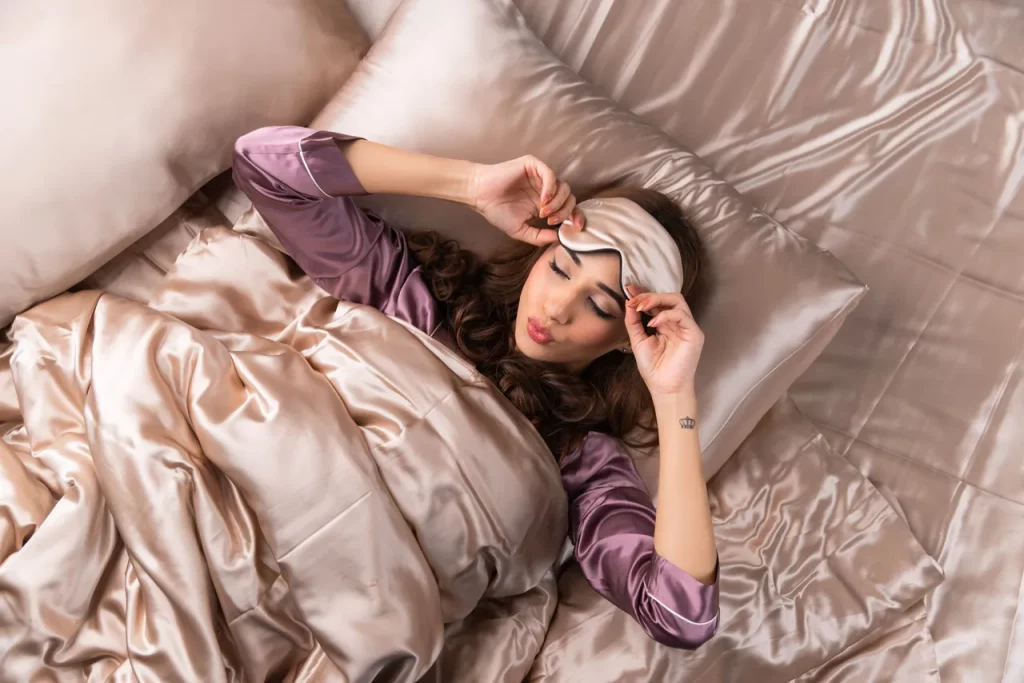
- Silk or Satin Scrunchies and Scarves: These are the gold standard. They create minimal friction, preventing breakage and frizz, and don’t leave creases. Always use a silk or satin pillowcase or wrap your hair in a silk scarf for the final step.
- Soft T-Shirt Material: A great alternative for plopping, as it is softer and more absorbent than a terrycloth towel.
- Fabric Headbands: Ensure they are soft and seamless to avoid indentations on your forehead as you sleep.
- The “Set It and Forget It” Mindset: Arrange your braids, twists, or wraps in a way that allows you to sleep comfortably on your back or side. You may need to pile them loosely on top of your head.
Product Support: The Unsung Heroes of Heatless Hold
While you don’t need heavy-hold products, the right support can make the difference between curls that last all day and those that fall out by noon.
- For Hold and Definition:
- Mousse: A volumizing mousse applied to damp hair before styling provides a light, flexible hold and body without crunch.
- Light-Hold Curl Cream: This is ideal for defining waves and curls without weighing them down. It provides moisture and a light cast.
- For Frizz Control and Smoothness:
- Leave-In Conditioner: Essential for providing hydration and detangling, creating a smooth canvas for your curls to form.
- Lightweight Hair Oil or Serum: A single pump applied to damp hair before styling, or to dry ends after unraveling, can seal in moisture and combat frizz.
- What to Avoid:
- Avoid heavy gels or thick, buttery creams unless you have very thick, coarse hair. For most, these will weigh the hair down and create a stiff, unnatural result that defeats the purpose of soft, heatless waves.
Maintenance and Longevity: Making Your Curls Last for Days
The work isn’t over once you unravel your hair. Proper technique upon release and daily maintenance are key.
- The Grand Reveal:
- Be Patient: Once you take your hair down, don’t touch it for at least 10-15 minutes. Let the curls “settle” and the hair fully acclimate to being free.
- Flip and Shake: Gently flip your head upside down and shake out the roots with your fingers to add volume. Do not use a brush at this stage.
- The “Scrunch Out the Crunch”: If you used a product with a light cast, gently scrunch your curls with your hands to break the cast and restore softness.
- Second and Third-Day Refresh:
- The Steam Method: In the bathroom, let the steam from a hot shower loosen the curls. Then, gently scrunch them back to life.
- Diluted Leave-In Spray: Mix a bit of your leave-in conditioner with water in a spray bottle. Lightly mist your hair, then scrunch and redefine a few key curls with your fingers.
- Dry Shampoo for Volume: Spray a small amount of dry shampoo at the roots to absorb oil and add lift, which will help support the curls from the base.
- Nighttime Preservation for Next-Day Curls:
- Simply re-pineapple your hair (a loose, high ponytail on the very top of your head) and cover with a silk scarf or bonnet. In the morning, take it down, shake it out, and your curls will be largely intact.
Conclusion: Embracing a Healthier, More Versatile Curl
Heatless curls are more than a trend; they are a paradigm shift towards healthier hair habits. They require a small investment of time and patience but offer an immense return in hair health, shine, and versatility. By mastering the techniques that suit your hair type, supporting your style with the right lightweight products, and learning the art of maintenance, you can unlock a world of beautiful, defined, and utterly damage-free waves and curls. This approach empowers you to celebrate texture in its most natural form, proving that the most beautiful curls are the ones that are healthily and lovingly crafted.