
















Fine hair presents a unique and often frustrating challenge. It’s not just about thinness, but a lack of inherent density and strength in each individual strand. This delicate nature means fine hair is notoriously prone to looking flat, feeling limp, and suffering from breakage and split ends more easily than thicker hair types. The common response—loading on heavy products and over-styling—only weighs hair down further, creating a greasy, lifeless appearance. The secret to transforming fine hair lies not in fighting its nature, but in embracing a specialized care philosophy focused on two pillars: creating the illusion of volume through strategic techniques and building genuine, resilient strength from within the hair shaft. This guide will provide a comprehensive roadmap, from selecting the perfect lightweight shampoo to mastering styling for fullness, implementing protein treatments correctly, and adopting habits that prevent breakage, empowering you to finally achieve the full, strong, and vibrant hair you desire.
The Foundation of Fullness: Choosing and Using Lightweight Shampoos
The journey to voluminous hair begins in the shower with the most critical product: your shampoo. Heavy, moisturizing formulas are the enemy of fine hair, coating strands and dragging them down.
- Key Ingredients to Look For:
- Volumizing Agents: Look for ingredients like hydrolyzed wheat protein or keratin. These proteins temporarily bond to the hair shaft, increasing its diameter and creating a thicker feel without heavy residue.
- Gentle Cleansers (Surfactants): Avoid heavy, creamy shampoos with sulfates like Sodium Lauryl Sulfate (SLS) that can be too stripping. Instead, opt for formulas with gentler sulfates like Sodium Laureth Sulfate (SLES) or even sulfate-free cleansers that still provide a thorough clean without buildup.
- Clarifying Components: Shampoos containing citric acid or apple cider vinegar help to remove product buildup and hard water minerals, ensuring the hair cuticle lies flat and reflects maximum light for shine and volume.
- Application Technique is Everything:
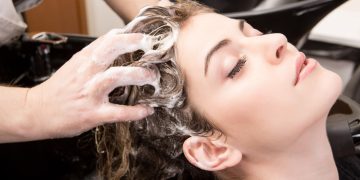
- Focus on the Scalp: Fine hair gets greasy quickly because oil from the scalp travels down the slender shaft with ease. Apply shampoo primarily to your roots and scalp, massaging vigorously to stimulate circulation and cleanse thoroughly. Let the suds simply rinse through the ends.
- The Double Wash: On days you use dry shampoo or heavy product, a double wash is essential. The first wash breaks up the oil and product; the second wash provides a deep clean.
- Always Finish with a Cool Rinse: A blast of cool water at the end of your shower helps to flatten the hair cuticle, increasing shine and reducing frizz that can make fine hair look messy.
Styling for Fullness: The Architecture of Volume
Styling fine hair is an exercise in creating structure and lift at the root, which supports the entire style.
- The Right Conditioner Protocol:
- Formula: Use a conditioner that is explicitly labeled “volumizing,” “lightweight,” or “weightless.” These are typically lotion-based, not cream-based.
- Application: Apply conditioner only from the mid-lengths to the ends of your hair. Avoid the root area at all costs to prevent instant flattening.
- Heat-Free Root Lift:
- The Clip-and-Dry Method: After washing, flip your head upside down. Section the hair at the crown and use long, duckbill clips to pin the roots upward while you blow-dry. This sets the hair to dry in a lifted position.
- Velcro Rollers: For even more dramatic lift, place medium-sized Velcro rollers at the roots of dry or damp hair and leave them in for 20-30 minutes.
- Strategic Product Application:
- Root-Lifting Spray or Mousse: Apply a golf-ball-sized amount of mousse or a spray directly to towel-dried hair at the roots. Lift sections and spray directly onto the scalp for maximum effect.
- Dry Shampoo as a Preemptive Tool: Don’t wait for your hair to get greasy. Apply a light dusting of dry shampoo to clean, dry roots to add texture and grip from day one.
- Texturizing Spray: Once styled, a texturizing spray on the mid-lengths and ends adds separation and grit, preventing hair from clumping together and looking sparse.
Building Internal Strength: The Role of Protein Treatments
Fine hair is often weak hair. The cortex (the inner layer of the hair strand) has less natural structural protein, making it more vulnerable. Protein treatments are not just for damaged hair; they are essential maintenance for fine hair.
- What Protein Does: Think of hydrolyzed proteins (keratin, silk, wheat) as tiny patches. They fill in gaps and weak spots in the hair cuticle, temporarily reinforcing the strand’s structure. This leads to:
- Increased tensile strength, reducing breakage.
- Improved elasticity.
- A thicker-feeling hair shaft.
- How and When to Use Them:
- Frequency is Key: Overuse of protein can make hair brittle. For fine hair, a weekly or bi-weekly treatment is usually sufficient.
- Choosing a Product: Use a lightweight protein mask or a leave-in conditioner with protein. Avoid heavy, butter-based masks.
- The Balance with Moisture: Follow a protein treatment with a lightweight moisturizing conditioner to maintain flexibility. The hair needs a balance of both protein (for strength) and moisture (for flexibility).
The Prevention Plan: Habits for Avoiding Breakage
Because each fine hair strand is delicate, breakage can rapidly lead to thinner-looking hair. Prevention is paramount.
- The Detangling Ritual:
- Tool: Use a wide-tooth comb or a brush specifically designed for wet hair with flexible bristles.
- Method: Start by gently detangling the ends. Once those knots are free, work your way up to the mid-lengths, and finally, the roots. Never yank a brush from root to end through tangles.
- Heat Styling Intelligence:
- Lower Temperatures: Fine hair requires less heat to style. Never use your hot tools on the highest setting. A medium heat (around 300-350°F) is sufficient.
- Heat Protectant is Non-Negotiable: This creates a barrier between the heat and your hair, preventing bubbles from forming inside the hair shaft (bubble hair breakage).
- Nighttime Protection:
- Silk or Satin Pillowcase: Cotton is abrasive and creates friction, leading to breakage and frizz. Silk and satin allow the hair to glide smoothly as you sleep.
- Loose Protective Style: Pull your hair into a very loose, high ponytail or pineapple on top of your head using a silk scrunchie. This prevents tangling and pulling.
- Be Gentle with Wet Hair: Hair is at its most vulnerable when wet. Avoid rough towel-drying; instead, gently squeeze out water with a microfiber towel or an old cotton t-shirt.
Conclusion: Redefining the Potential of Fine Hair
Caring for fine hair is a nuanced art that rejects a one-size-fits-all approach. It requires a shift in perspective—from seeing it as a limitation to understanding its unique needs for lightweight support, structural reinforcement, and gentle handling. By building a routine around clarifying, lightweight shampoos, mastering the architecture of root lift, consistently reinforcing the hair shaft with protein, and adopting breakage-preventing habits, you can fundamentally change the behavior and appearance of your hair. This strategic care doesn’t just create the illusion of volume; it builds genuine, resilient strength, allowing fine hair to look and feel its absolute fullest, healthiest, and most powerful.