Hair oils have been used for centuries as a cornerstone of holistic hair care, but not all oils work the same way—and not all deliver the same benefits. Some nourish the scalp, others smooth the cuticle, and some help stimulate a healthy environment for growth. Understanding which oils to use, how to apply them, and when to incorporate them into your routine can transform both scalp health and overall hair vitality.
Below is a complete breakdown of the best oils for hair, how to use them effectively, and how to integrate them with existing treatments to achieve stronger, shinier, more resilient strands.
How Do Argan, Jojoba, and Castor Oils Compare?
Hair oils differ in composition, penetration ability, and benefits; choosing the right one depends on your hair type and goals.
Argan Oil: The Lightweight Shine Booster
Argan oil—often called “liquid gold”—is rich in vitamin E and essential fatty acids.
Best for: Dry ends, frizz control, shine, and smoothing.
Why it works:
- Lightweight and easily absorbed
- Seals moisture into the hair shaft
- Protects against heat and environmental damage
- Tames frizz without making hair greasy
Argan oil is particularly beneficial for color-treated, fine-to-medium hair that needs protection without heaviness.
Jojoba Oil: The Scalp-Balancing Moisturizer
Jojoba oil most closely resembles the scalp’s natural sebum.
Best for: Scalp hydration, flakiness reduction, lightweight moisture.
Why it works:
- Regulates oil production
- Strengthens scalp barrier
- Helps soothe irritation and dryness
- Reduces dandruff associated with dryness
Because it’s non-comedogenic, it’s ideal for those prone to buildup or acne along the hairline.
Castor Oil: The Thickening and Nourishing Powerhouse
Castor oil is heavier, denser, and rich in ricinoleic acid.
Best for: Those wanting fuller-looking hair or needing intense moisture.
Why it works:
- Enhances scalp microcirculation (massaging helps!)
- Has antimicrobial properties
- Locks in moisture for thick or coily hair
- Helps support fuller-looking brows and lashes too
Best for coarse, thick, or very dry hair. Light-haired or fine-haired users should blend it with lighter oils (like jojoba) to avoid heaviness.
What Are the Best Application Techniques for Maximum Benefits?
How you apply oil is just as important as the oil you choose.
1. For Scalp Health: The Targeted Scalp Massage
- Warm a small amount of oil between your palms.
- Use fingertips to massage gently into scalp for 3–5 minutes.
- This improves circulation and encourages nutrient delivery.
Oils to use: Jojoba, castor, rosemary-infused oils.
2. For Moisture and Shine: Mid-Length to Ends
- Apply oil sparingly to damp or dry hair.
- Focus on the ends (the oldest, driest part of the hair).
- Use a comb or fingers to distribute evenly.
Oils to use: Argan, marula, grapeseed.
3. As an Overnight Treatment
For deep repair:
- Coat hair lightly from roots to ends.
- Braid or wrap hair in a silk wrap.
- Wash out the next morning with a gentle shampoo.
Oils to use: Castor blends, coconut oil, avocado oil.
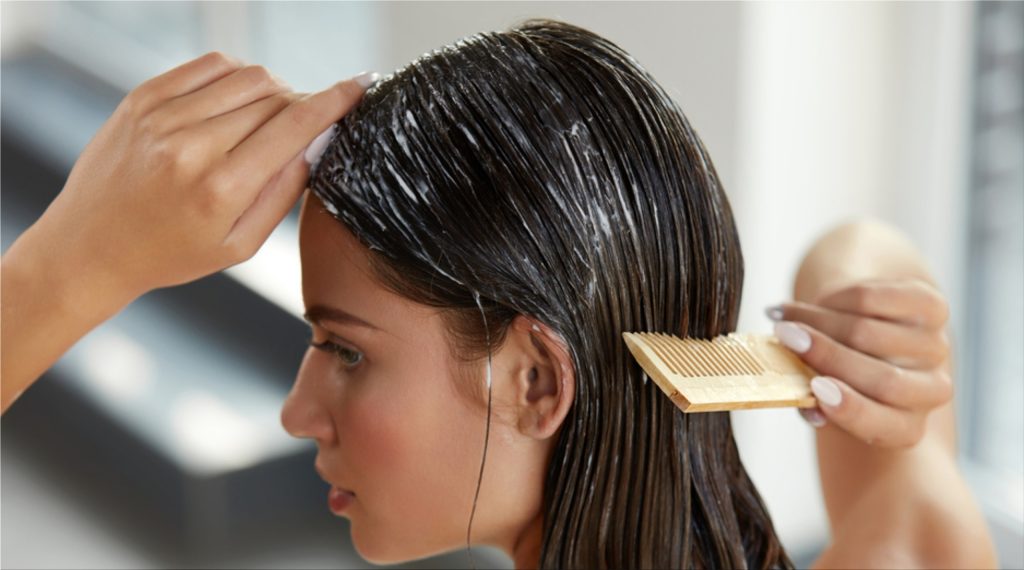
4. As a Pre-Shampoo Treatment
This can prevent moisture loss during washing.
- Apply oil 15–30 minutes before showering.
- Use on dry or slightly damp hair.
Great for anyone prone to dryness or breakage.
How Often Should You Apply Hair Oils?
Frequency varies based on hair type and goals.
For Oily Scalps:
1–2 times per week as a scalp treatment.
For Dry or Curly Hair:
3–4 times per week, focusing on ends or using as an overnight mask.
For Balanced, Normal Hair:
1–2 times weekly for shine and maintenance.
Consistency is key—over time, oils help improve elasticity, reduce breakage, and boost manageability.
How Do Hair Oils Work with Other Treatments?
Hair oils can enhance other products, but usage must be strategic.
Pairing with Hair Masks
Oil before or after a mask?
- Use oil before for protection and deeper penetration.
- Use oil after for shine and sealing hydration.
Pairing with Scalp Treatments
Avoid applying oils immediately before medicated scalp products (like salicylic acid or minoxidil).
Best practice:
- Use treatment first
- Apply oil on alternate days to avoid dilution
Pairing with Heat Styling
Light oils like argan work as heat protectants up to moderate temperatures.
Avoid heavy oils before hot tools—they can cause uneven heating.
Pairing with Protein Treatments
Oils do NOT replace protein.
Instead:
- Protein repairs
- Oil seals and protects
Use both for maximum strength and hydration.
Final Thoughts: Which Oil Is Best for You?
| Concern | Best Oil | Why |
|---|---|---|
| Dry, frizzy hair | Argan | Lightweight moisture & shine |
| Scalp dryness | Jojoba | Balances natural sebum |
| Fullness & deep moisture | Castor | Thick, nourishing, supports growth environment |
| Fine hair | Argan or jojoba | Non-heavy hydration |
| Coarse hair | Castor or coconut | Intense moisture retention |
Experimenting with blends can also help you customize your routine:
- Argan + Jojoba for daily moisture
- Castor + Jojoba for scalp thickening treatments
- Coconut + Argan for deep conditioning
Done correctly, hair oils can transform both scalp and hair health, leading to softer, shinier, and stronger strands.