



























We instinctively change our wardrobes with the seasons, swapping heavy coats for light linens as the temperature shifts. Yet, we often apply the same static skincare and nutrition regimen to our skin year-round, wondering why its needs seem to change inexplicably. The truth is, your skin is a dynamic organ that responds directly to its environment—the humidity, temperature, and sun exposure—all of which fluctuate dramatically throughout the year. A one-size-fits-all approach to nutrition ignores the fact that your skin’s requirements for hydration, lipid support, and antioxidant protection are seasonal. By aligning your diet with the rhythm of the natural world, you can proactively address seasonal skin challenges before they arise. This guide will outline a strategic nutritional plan, detailing the key focuses for summer hydration, winter lipid support, and the transitional periods of spring and fall, culminating in smart supplement recommendations to ensure your skin is nourished from within, 365 days a year.
Summer: The Hydration and Antioxidant Defense Season
Summer skin is under assault from three primary aggressors: UV radiation, heat, and humidity. The nutritional goal is twofold: to protect against oxidative damage and to replenish the fluids and electrolytes lost through sweat.
- The Core Focus: Internal Hydration
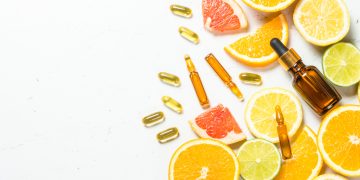
- Water-Rich Foods: Make fruits and vegetables with high water content the cornerstone of your meals. Cucumber, celery, watermelon, strawberries, zucchini, and citrus fruits are not only hydrating but also provide essential vitamins and minerals. They help maintain the skin’s water balance, preventing the dryness and tightness that can occur even in humidity.
- Electrolyte Balance: Sweating depletes sodium, potassium, and magnesium. Replenish these naturally with coconut water, bananas, leafy greens, and avocados. Proper electrolyte balance is crucial for cellular function and preventing dehydration that can make skin look dull.
- The Antioxidant Arsenal: Fighting Photodamage
- Lyopene: This powerful antioxidant, found in cooked tomatoes, watermelon, and pink grapefruit, has been shown to provide a degree of internal protection against UV-induced erythema (sunburn).
- Vitamin C: Essential for collagen synthesis and a potent free-radical scavenger. Load up on bell peppers, kiwi, berries, and citrus fruits to help repair and prevent sun damage.
- Polyphenols: Green tea is a stellar summer beverage. The catechins (EGCG) within it offer anti-inflammatory and photoprotective properties.
Winter: The Lipid and Barrier Repair Season
Winter presents the opposite challenge: cold, dry air outside and dehydrating artificial heat inside. This combination wreaks havoc on the skin’s lipid barrier, leading to transepidermal water loss (TEWL), which manifests as dryness, flakiness, redness, and sensitivity.
- The Core Focus: Fat-Based Nourishment
- Essential Fatty Acids (EFAs): Omega-3 and Omega-6 fats are the building blocks of the skin’s natural lipid barrier. A diet rich in these fats helps to fortify this barrier, acting as a seal to lock moisture in. Focus on fatty fish (salmon, mackerel, sardines), walnuts, flaxseeds, chia seeds, and hemp seeds.
- Saturated and Monounsaturated Fats: Don’t fear these healthy fats. They provide a rich source of energy and support cell membrane integrity. Incorporate avocados, extra-virgin olive oil, nuts, and seeds into your daily diet.
- Fat-Soluble Vitamins for Skin Integrity
- Vitamin A: Crucial for skin cell growth and repair. Find it in its active form (retinol) in eggs, liver, and full-fat dairy, and as beta-carotene in sweet potatoes, carrots, and butternut squash.
- Vitamin E: A powerful antioxidant that protects skin lipids from oxidation. It’s abundant in almonds, sunflower seeds, and avocado.
- Vitamin D: Sun exposure is limited in winter, and Vitamin D is vital for skin cell metabolism and immune function. Include fortified foods, egg yolks, and fatty fish, and consider a supplement.

Spring and Fall: The Transitional Detox and Renewal Seasons
The shoulder seasons are times of change and renewal, making them ideal for supporting the body’s natural detoxification pathways and preparing the skin for the coming extreme.
- Spring: Lightening and Alkalizing
- Focus on Bitter Greens: Dandelion greens, arugula, and radicchio support liver function, your body’s primary detox organ. A healthy liver processes hormones and toxins that can otherwise lead to breakouts and dullness.
- Cruciferous Vegetables: Broccoli, cauliflower, and kale contain glucosinolates that activate liver enzymes, helping to clear out metabolic waste from the winter months.
- Asparagus and Artichokes: These are natural diuretics and liver tonics, helping to reduce puffiness and support renewal.
- Fall: Building Resilience and Immunity
- Root Vegetables and Squashes: As the harvest changes, embrace grounding, nutrient-dense foods like pumpkins, carrots, and beets. They are rich in beta-carotene (a precursor to Vitamin A) and fiber, which support skin repair and gut health as you head into winter.
- Zinc and Selenium-Rich Foods: These minerals are critical for skin healing and immune function. Incorporate pumpkin seeds, lentils, and Brazil nuts to build resilience against the seasonal stressors ahead.
- Ginger and Turmeric: Their potent anti-inflammatory properties can help calm any lingering summer sensitivity and prepare the skin for the dry cold.
Strategic Supplement Recommendations for Year-Round Support
While food should always be the foundation, targeted supplements can fill nutritional gaps and provide therapeutic-level support.
- Omega-3 Fatty Acids (Fish Oil or Algae Oil):
- Why: Provides direct, high-dose EPA and DHA to fortify the skin’s lipid barrier year-round, crucial in winter and beneficial for calming summer inflammation.
- Dosage: Look for a supplement providing 1,000-2,000 mg of combined EPA and DHA daily.
- Vitamin D3:
- Why: Essential for immune regulation and skin cell growth. Levels plummet in winter for most people.
- Dosage: 1,000-2,000 IU daily, but it’s best to get your levels tested for personalized dosing.
- Collagen Peptides:
- Why: Provides the raw building blocks (glycine, proline) for collagen and elastin synthesis. Beneficial in every season for maintaining skin structure, hydration, and elasticity.
- Dosage: 10-20 grams daily, dissolved in a hot or cold beverage.
- A Broad-Spectrum Probiotic:
- Why: A healthy gut microbiome is intrinsically linked to reduced skin inflammation and a stronger skin barrier. This is a year-round foundation for skin health.
- Dosage: Follow product instructions, looking for a brand with multiple strains and a high CFU count.
- Vitamin C:
- Why: As a co-factor for collagen production and a master antioxidant, it supports skin repair in summer and fights environmental damage year-round.
- Dosage: 500-1,000 mg daily, preferably in a liposomal or mineral ascorbate form for better absorption.
Conclusion: A Dynamic Dialogue with Your Diet
Viewing nutrition through a seasonal lens transforms it from a static chore into a dynamic, responsive dialogue with your body’s needs. It is an act of preventative care, allowing you to build resilient, glowing skin by anticipating the challenges each season brings. By flooding your system with hydrating foods in the summer, fortifying your lipid barrier in the winter, and supporting your body’s renewal processes in the spring and fall, you move beyond merely treating skin issues as they appear. You become the architect of your skin’s health, using the bounty of each season to create a foundation of vitality that shines through in your complexion, regardless of the weather outside.