

















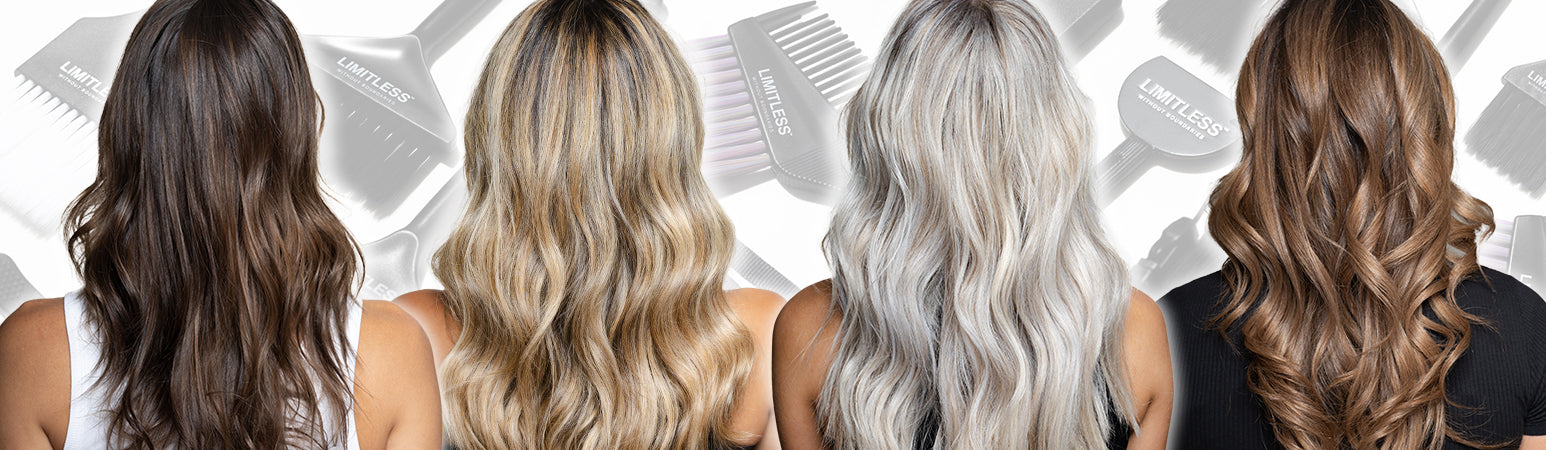
Color-treated hair is beautiful, expressive, and transformative—but maintaining vibrant color and strong, healthy strands requires intention, technique, and the right products. Whether you’re rocking balayage, bold vivid tones, soft highlights, or full-coverage color, your hair undergoes structural changes during the dyeing process. Without proper care, this can lead to dryness, fading, breakage, and dullness.
This comprehensive guide explores how to prevent damage, why sulfate-free formulas matter, the most effective color-protecting routines, and how to heat-style safely so your color stays fresh and your strands stay strong.
1. How Can You Prevent Damage in Color-Treated Hair?
Hair coloring—especially bleaching—changes the very structure of the hair fiber. The cuticle lifts, bonds weaken, and moisture escapes more easily. Damage prevention is therefore the foundation of any long-lasting color routine.
Below are the most effective ways to shield your hair from further stress.
Limit Washing Frequency to Preserve Pigment
Water alone fades hair color, especially warm tones, reds, and fashion colors. To minimize fading:
- Wash every 2–4 days
- Use dry shampoo between washes
- Rinse with cool water to help seal the cuticle
Reducing wash frequency keeps pigments locked in longer.
Deep Condition Weekly to Restore Moisture
Color-treated hair needs more moisture than virgin hair. A weekly treatment helps:
- Replenish lost hydration
- Smooth the cuticle
- Reduce frizz
- Improve elasticity
Look for masks containing:
- Shea butter
- Ceramides
- Amino acids
- Algae extract
- Squalane
Moisturized hair also reflects more light, giving your color that glossy “fresh dye day” finish.
Incorporate Bond-Repair Products
Bleached or repeatedly dyed hair often has broken disulfide bonds. Bond-repair treatments help rebuild internal structure.
Effective ingredients include:
- Bis-aminopropyl diglycol dimaleate (in some bond-building systems)
- Maleic acid
- Succinic acid
- Peptides
Use a bond-building mask 1–2 times weekly for visibly stronger, more resilient strands.
Avoid Overlapping Bleach and Dye
When touching up roots, ask your stylist to avoid applying bleach or permanent color over previously treated areas. Overlapping leads to:
- Breakage
- Porosity
- Quick fading
A skilled colorist will apply only where necessary to maintain hair integrity.
Reduce Sun, Chlorine, and Salt Exposure
UV and minerals strip color rapidly. Protect your hair by:
- Wearing hats outdoors
- Using UV-filter hair sprays
- Rinsing hair before and after swimming
- Applying a leave-in conditioner before entering chlorine or salt water
These habits can dramatically extend the life of your shade.
2. Why Are Sulfate-Free Products Essential for Color-Treated Hair?
Not all shampoos are created equal—especially for colored hair. Sulfates like SLS and SLES produce rich lather but can be too harsh for compromised hair.
Here’s why choosing sulfate-free matters:
Sulfates Strip Color More Quickly
Sulfates bond to oils and pigments, removing both as they cleanse. This leads to:
- Rapid fading
- Loss of vibrancy
- Dry, dull appearance
Sulfate-free cleansers use gentler surfactants that maintain the color molecule’s integrity.
They Help Maintain the Hair’s Natural Oils
Color-treated hair needs its natural sebum for softness and shine. Sulfate-free shampoos prevent:
- Excess dryness
- Brittleness
- Frizz
This improves texture and makes your color appear richer.
Gentle Cleansers Support Long-Term Hair Health
Sulfate-free formulas are typically paired with nourishing ingredients such as:
- Hydrating oils
- Botanical extracts
- Strengthening proteins
This makes them ideal for maintaining health while preserving color.
3. What Should a Color-Protecting Hair-Care Routine Look Like?
Maintaining color vibrancy requires a thoughtful routine built around hydration, repair, and protection. Below is a model regimen for most color-treated hair types.
Daily / Every Wash
Sulfate-free shampoo
Cleanses gently without stripping color, moisture, or natural oils.
Color-safe conditioner
Locks in moisture and smooths the cuticle.
Leave-in conditioning spray or cream
Provides heat protection, detangling, and daily nourishment.

Weekly
Deep hydrating mask
Strengthens the hair shaft and reduces breakage.
Bond-building treatment
Especially important for bleached or highlighted hair.
Monthly
Color-depositing conditioner (if applicable)
Helps revive tone between salon visits—recommended for reds, brunette tones, pastels, and vivid colors.
Professional Maintenance
- Gloss or toner every 4–8 weeks
- Trim ends every 8–12 weeks
Glosses refresh shade, reduce brassiness, add shine, and help seal the cuticle.
4. How Should You Approach Heat Styling to Protect Color-Treated Hair?
Heat styling is one of the fastest ways to fade color and worsen dryness—but you don’t have to give it up completely. The key is thoughtful technique and protection.
Use Heat Protectant Every Single Time
Heat protectants create a barrier that:
- Reduces moisture loss
- Lowers breakage
- Minimizes color oxidation
- Protects up to 450°F (depending on product)
Mist or apply cream evenly before blow-drying or using hot tools.
Lower Temperature Settings Are More Effective Than You Think
Most hair types only need:
- Blow dryer: medium heat
- Flat iron: 300–350°F
- Curling iron: 275–325°F
Higher temperatures fade color faster and weaken the cuticle.
Never Use Hot Tools on Damp Hair
Using heat on damp hair causes steam bubbles to form inside the shaft, leading to irreversible breakage. Hair should be:
- Towel-dried
- Air-dried 50–70%
- Protected with product
before any hot tool use.
Limit Frequency to Protect Longevity
Try to restrict hot-tool usage to:
- 1–3 times per week
- Air-drying whenever possible
You can also use rollers, heatless curling rods, or braiding techniques for styling without damage.
Opt for Ionic or Ceramic Tools
Modern tools distribute heat more evenly and minimize hot spots, which helps:
- Preserve color
- Reduce cuticle swelling
- Prevent unnecessary dryness
They are worth the investment for anyone with frequent coloring.
Final Thoughts: How Do You Keep Color-Treated Hair Vibrant and Healthy?
Healthy, vibrant color-treated hair isn’t the result of one product—it’s the outcome of consistent care, smart protection, and damage-minimizing habits.
To maintain your best color:
- Prevent damage through hydration and bond repair
- Choose sulfate-free formulas
- Follow a color-protecting weekly routine
- Use heat styling sparingly and safely
With the right approach, your color will stay radiant, rich, and beautiful for weeks—while your hair remains soft, strong, and full of life.