





















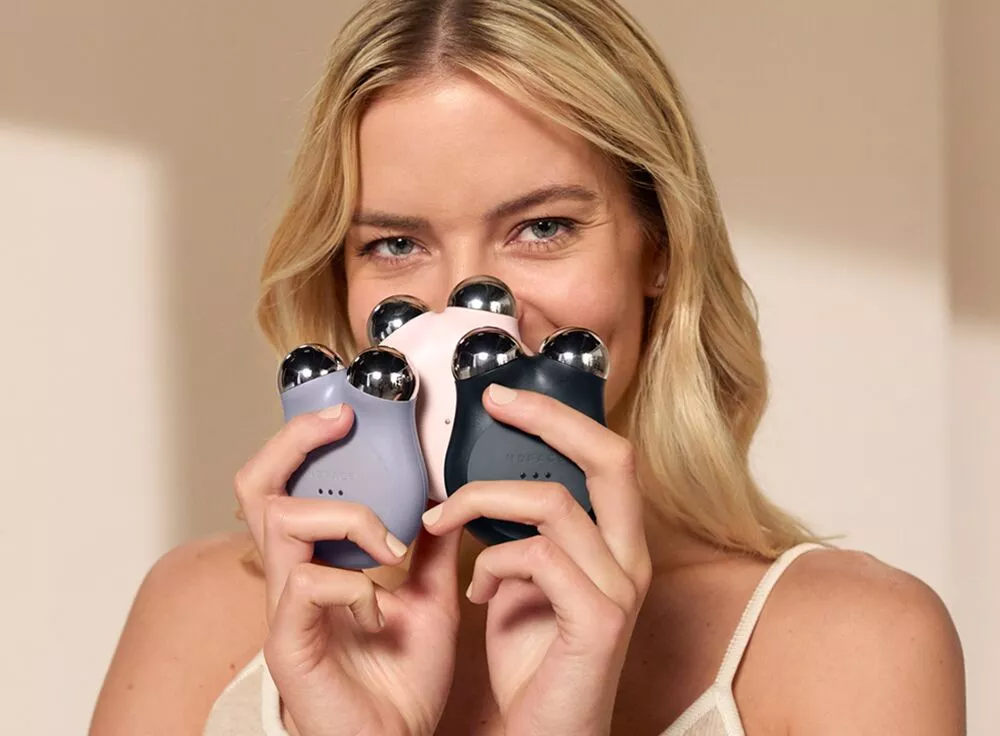
The allure of the at-home aesthetic device is undeniable. Promising professional-grade results from the comfort of your bathroom, these gadgets—from glowing LED masks to zapping microcurrent wands—represent a multi-billion dollar industry fueled by our desire for accessible, affordable skincare solutions. But as we integrate these high-tech tools into our routines, a critical question emerges: are they a worthwhile investment in your skin’s health, or merely expensive, high-tech placebos? The answer lies not in a simple yes or no, but in a clear-eyed understanding of their engineering, their realistic potential, and how they fit into the broader ecosystem of professional skincare. This article dissects the science behind popular at-home devices, separating evidence-based benefits from marketing hype to help you make an informed decision.
1. The Technology Decoded: How Popular At-Home Devices Actually Work
To evaluate their worth, we must first understand the fundamental mechanisms of these devices, which are essentially diluted versions of their in-office counterparts.
LED (Light Emitting Diode) Masks and Panels:
- The Science: These devices use specific wavelengths of non-UV light to trigger photobiomodulation—a process where light energy is absorbed by the skin’s cells, stimulating a biological response.
- Red Light (630-700nm): Primarily targets the mitochondria (the cell’s powerhouses), boosting ATP (energy) production. This enhanced cellular energy is believed to support collagen and elastin synthesis, reduce inflammation, and promote overall skin repair. It’s marketed for anti-aging and wound healing.
- Blue Light (400-470nm): Targets and neutralizes the c.acnes bacteria, which contributes to inflammatory acne. It’s an antibacterial treatment, not a solution for clogged pores.
- The At-Home vs. Professional Divide: Professional-grade LED panels are significantly more powerful (higher irradiance), delivering more light energy in a shorter time. At-home masks are far less powerful, requiring consistent, long-term use to achieve a cumulative, and often more subtle, effect.
Microcurrent Devices:
- The Science: These devices deliver a very low-level electrical current to the facial muscles and tissues. This current mimics the body’s own natural bio-electrical signals.
- Muscle Toning: The microcurrent causes subtle contractions in the underlying facial muscles, “exercising” them to improve tone and lift. This is the source of the immediate, temporary lifting effect many users see.
- Cellular Boost: At a cellular level, it’s believed to increase ATP production, similar to red light, potentially aiding in skin repair and health.
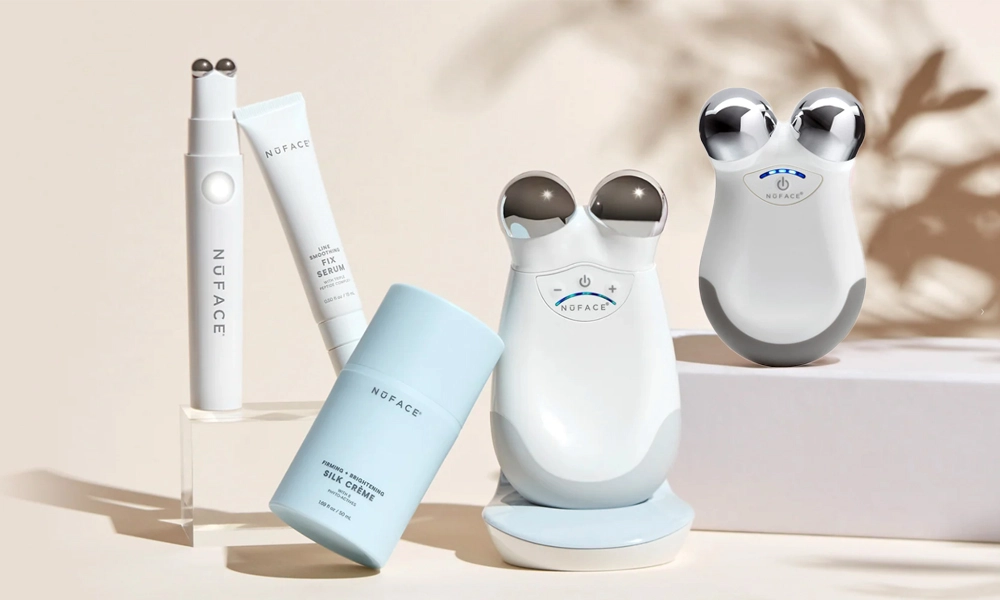
- The At-Home vs. Professional Divide: Professional microcurrent machines (like NuFACE’s Trinity Pro) operate at higher, more customizable frequencies and amperages, allowing for deeper penetration and more significant results. At-home devices are limited by safety regulations to much lower power levels.
Other Common Devices:
- At-Home Lasers (IPL for Hair Removal): Use intense pulsed light to target melanin in the hair follicle. They are less powerful and have a smaller treatment window than professional lasers, making them less effective on darker skin tones or light hair and requiring more sessions.
- Facial Cleansing Brushes: Provide mechanical exfoliation, which can be more thorough than manual cleansing but can also be overly abrasive if used incorrectly or on sensitive skin.
2. Realistic Expectations: The Improvements You Can and Cannot Expect
Managing expectations is the key to satisfaction with at-home devices. They are best viewed as tools for maintenance and subtle enhancement, not for dramatic transformation.
Achievable Improvements with Consistent Use:
- LED Masks: With daily or near-daily use, you may see a moderate improvement in skin smoothness, a reduction in general redness, and a slight “glow.” For acne, blue light can help reduce the activity of new blemishes but won’t clear existing, deep cysts or unclog pores.
- Microcurrent Devices: The “5-minute lift” is real but fleeting. Results last from a few hours to a couple of days. With a strict regimen (5 times a week initially, then 2-3 for maintenance), you can achieve a subtle, cumulative improvement in facial contour and muscle tone, helping to combat early signs of sagging.
- General Benefits: The act of using these devices often promotes a more consistent skincare routine and increased facial awareness, which can be beneficial in itself.
What They Cannot Do:
- They cannot replicate injectables. They will not erase deep wrinkles (like those treated with Botox) or replace lost volume (like fillers).
- They cannot perform significant skin tightening. They cannot lift significantly sagging jowls or neck skin like professional radiofrequency or ultrasound devices can.
- They cannot remove deep pigmentation, severe scars, or large blood vessels. The energy is too low to create the controlled, deep injury required for this level of resurfacing or vascular treatment.
3. The Safety Spectrum: How At-Home Devices Compare to Professional Treatments
The primary trade-off for convenience and lower cost is a significant reduction in power, which directly influences both safety and efficacy.
Safety Advantages of At-Home Devices:
- Lower Risk of Injury: Their energy outputs are purposefully limited to be safe for untrained consumers. The risk of burns, scarring, or pigment changes is extremely low when used as directed.
- Convenience and Accessibility: They allow for more frequent treatments without appointments or downtime.
Safety Disadvantages and Risks:
- User Error: Without professional guidance, users can over-treat, use the wrong settings, or apply on contraindicated skin (e.g., using IPL on tanned skin), leading to irritation or minor burns.
- Lack of Diagnosis: A device can’t tell you if your redness is rosacea or simple irritation. Using the wrong tool for a misdiagnosed condition can worsen the problem.
- Eye Safety: LED masks and IPL devices require strict eye protection. Failure to use it can potentially cause retinal damage.
The Professional Treatment Advantage:
In-clinic procedures use medical-grade equipment that delivers higher, more targeted energy deep into the skin. This allows for:
- Dramatic, Lasting Results: One session of professional RF microneedling or a laser treatment can achieve what hundreds of at-home sessions cannot.
- Expert Assessment: A trained professional diagnoses your skin condition and tailors the treatment and settings for your specific needs, maximizing results and minimizing risk.
- Superior Technology: Professional machines have more sophisticated cooling systems, larger treatment tips, and more precise energy delivery.
4. Maximizing Your Investment: Best Practices for Using At-Home Devices
If you choose to invest in an at-home device, following a disciplined protocol is non-negotiable for seeing any return.
1. Conduct a Patch Test: Before using any new device on your entire face, test it on a small, discreet area of skin (like behind your ear or on your inner arm) for 24 hours to check for any adverse reaction.
2. Prioritize Preparation:
- Start with a Clean Slate: Always begin with a thoroughly cleansed, dry face. Remove all makeup, sunscreen, and oils.
- Conductivity is Key (for Microcurrent): These devices require a conductive medium to work effectively. Use the specific gel provided or a high-quality, water-based aloe vera gel. Do not use oil-based serums or creams, as they will block the current.
3. Adhere to a Strict Schedule:
- Consistency Over Intensity: These devices work on a cumulative model. Using your microcurrent device for 5 minutes, 5 times a week, is far more effective than a single 25-minute session once a week.
- Follow the Manufacturer’s Guidelines: Do not exceed the recommended treatment time or frequency in an attempt to speed up results. This can lead to irritation and will not improve efficacy.
4. Integrate, Don’t Isolate:
At-home devices are not a replacement for a good skincare routine; they are an adjunct to it.
- Synergy with Skincare: The increased blood flow and permeability from microcurrent and LED can potentially enhance the absorption and efficacy of your serums. Apply your treatment serums after using your device.
- Sun Protection is Non-Negotiable: Any treatment that stimulates skin cell activity (like LED or microcurrent) makes daily, broad-spectrum sunscreen even more critical to protect your investment and prevent damage.
At-home aesthetic devices occupy a valuable middle ground in skincare. They are not the magic wands that marketing sometimes suggests, nor are they entirely useless. For the disciplined user with realistic expectations, they can be excellent tools for maintaining skin health, providing a subtle contour lift, and enhancing the overall efficacy of a skincare regimen. They are the gentle, consistent daily workout for your face, while professional treatments are the intensive, personal-training sessions that deliver transformative change. The most intelligent approach is to see them not as rivals, but as complementary parts of a holistic strategy for lifelong skin health.