

























The quest for clear, radiant skin has long focused on topical solutions—serums, creams, and prescriptions. But a growing body of scientific evidence points to a powerful, internal orchestrator of skin health: inflammation. Chronic, low-grade systemic inflammation is a silent fire that can fuel everything from acne and rosacea to eczema and premature aging. While topical products can soothe the symptoms, the most profound and lasting changes often begin on your plate. An anti-inflammatory diet isn’t a fleeting trend; it’s a strategic approach to eating that starves the flames of inflammation and nourishes the body’s innate healing capabilities. This article explores the intimate link between your diet and your complexion, providing a practical blueprint for using food as your most powerful skincare ingredient.
1. The Hidden Culprit: Understanding Inflammation and Its Link to Your Skin
Inflammation is not inherently bad. It’s your body’s essential, life-saving response to injury or infection—a controlled fire that helps to heal a cut or fight a virus. The problem arises when this fire doesn’t fully extinguish, becoming a persistent, smoldering state known as chronic inflammation. This systemic condition keeps your immune system in a constant, low-level alarm.
How Chronic Inflammation Manifests on Your Skin:
- Acne: Inflammation drives every stage of a pimple, from the initial pore clogging to the red, painful, swollen bump. Inflammatory messengers increase oil production and make the skin more receptive to acne-causing bacteria.
- Rosacea and Eczema: These conditions are fundamentally inflammatory disorders. Dietary triggers can spark flare-ups, causing redness, flushing, and irritated patches.
- Premature Aging: Chronic inflammation accelerates the breakdown of collagen and elastin, the proteins that keep skin firm and supple. This leads to earlier onset of wrinkles, sagging, and a loss of elasticity.
- Dullness and Uneven Tone: An inflamed body is a stressed body, which can impair skin cell turnover and lead to a buildup of dead, dull cells on the surface. It can also disrupt pigment-producing cells, leading to blotchiness and hyperpigmentation.
The goal of an anti-inflammatory diet is to reduce the fuels that feed this silent fire and increase the intake of compounds that help douse it.
2. The Anti-Inflammatory Arsenal: Skin-Friendly Foods to Embrace
This approach to eating is rich in whole, nutrient-dense foods that are packed with antioxidants, healthy fats, and phytonutrients that actively combat inflammation.
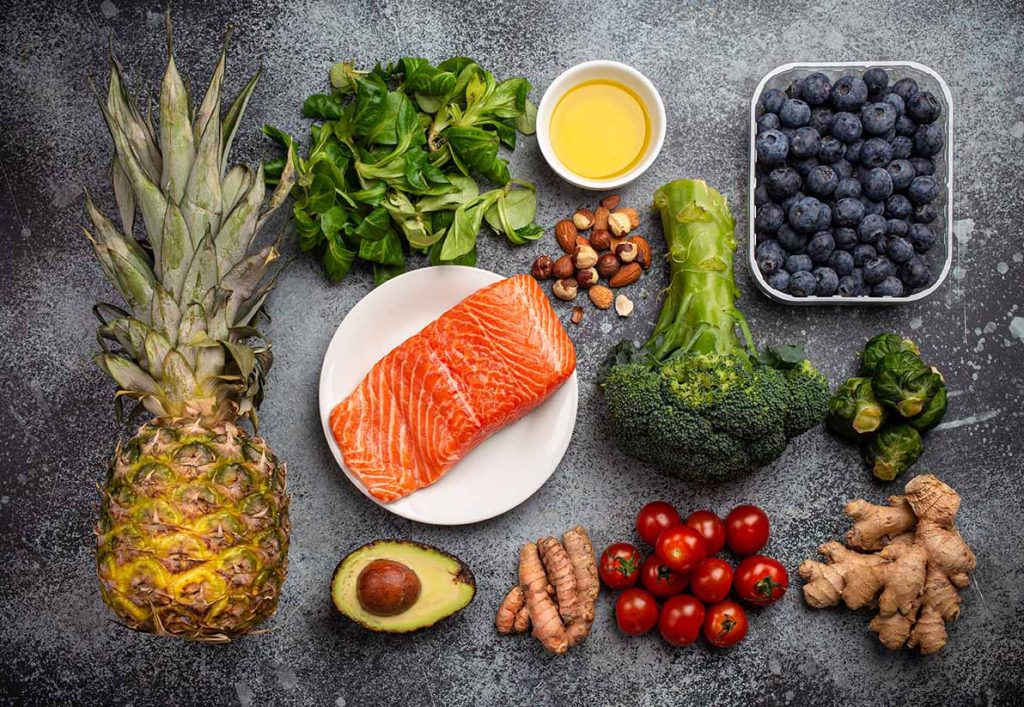
Omega-3 Rich Fatty Fish: Think of these as your internal cooling agents.
- Examples: Wild-caught salmon, mackerel, sardines, and herring.
- Why They Work: They are rich in EPA and DHA, long-chain omega-3 fatty acids that the body converts into powerful anti-inflammatory compounds called resolvins and protectins. They directly counterbalance the pro-inflammatory effects of omega-6 fats.
Colorful Fruits and Vegetables (The Rainbow): These are your antioxidant powerhouses.
- Examples: Berries (blueberries, strawberries), leafy greens (spinach, kale), bell peppers, broccoli, and sweet potatoes.
- Why They Work: Their vibrant colors come from antioxidants like anthocyanins (in berries) and carotenoids (in orange and red veggies). These compounds neutralize free radicals—unstable molecules that cause oxidative stress and drive inflammation.
Nuts, Seeds, and Healthy Oils:
- Examples: Walnuts, flaxseeds, chia seeds, and extra virgin olive oil.
- Why They Work: Walnuts and seeds provide ALA, a precursor to omega-3s. Olive oil is rich in oleocanthal, a compound with effects comparable to ibuprofen. They help stabilize cell membranes and reduce inflammatory signaling.
Turmeric and Ginger:
- Why They Work: Turmeric contains the superstar anti-inflammatory compound curcumin. Ginger contains gingerol, which has potent antioxidant and anti-inflammatory properties. Incorporate them into curries, smoothies, and teas.
Green Tea:
- Why It Works: It’s packed with epigallocatechin gallate (EGCG), a polyphenol that inhibits inflammatory pathways and protects the skin from UV-induced damage.
3. The Inflammatory Triggers: Foods That Can Worsen Skin Conditions
Just as some foods cool inflammation, others pour gasoline on the fire. The key is not necessarily total elimination, but mindful reduction.
Highly Processed Foods and Refined Carbohydrates:
- Examples: White bread, pasta, pastries, sugary cereals, and soda.
- Why They Are Problematic: These foods have a high glycemic index, meaning they cause a rapid spike in blood sugar and insulin. This spike triggers a cascade of inflammatory responses and can increase oil production, directly exacerbating acne.
Sugar and High-Fructose Corn Syrup:
- Why It’s Problematic: Excess sugar in the bloodstream promotes a process called glycation, where sugar molecules attach to proteins like collagen. This creates advanced glycation end products (AGEs), which are highly inflammatory and damage collagen, leading to wrinkles and sagging.
Industrial Seed Oils:
- Examples: Soybean, corn, sunflower, and cottonseed oil.
- Why They Are Problematic: These oils are excessively high in pro-inflammatory omega-6 fatty acids and are often chemically processed. The modern diet is already skewed heavily toward omega-6s; overconsumption disrupts the ideal omega-3 to omega-6 balance, tipping the body into a pro-inflammatory state.
Dairy (For Some Individuals):
- Why It Can Be Problematic: The link is highly individual, but for some, dairy (particularly skim milk) can be inflammatory. It may spike insulin levels and contain growth hormones and inflammatory molecules that can irritate the skin and worsen acne for certain people.
4. From Theory to Table: Practical Anti-Inflammatory Meal Examples
Adopting this diet is about building a new pattern of eating, not following a restrictive, short-term plan.
Breakfast: Anti-Inflammatory Smoothie Bowl
- Base: Blend 1 cup unsweetened almond milk with a large handful of spinach, 1/2 cup frozen mixed berries, 1/2 banana, and 1 tablespoon of chia seeds.
- Toppings: Top with a handful of walnuts, a sprinkle of pumpkin seeds, and a few slices of kiwi. This meal is packed with antioxidants, omega-3s, and fiber.
Lunch: Quinoa Power Bowl with Salmon
- Base: 1 cup cooked quinoa.
- Protein: 4 oz of grilled or baked salmon.
- Veggies: A generous mix of roasted broccoli, red bell pepper, and zucchini.
- Dressing: Whisk together 1 tbsp extra virgin olive oil, juice of half a lemon, a pinch of turmeric, and black pepper. This bowl provides a complete protein, complex carbs, and a powerful dose of anti-inflammatory fats and spices.
Dinner: Lentil and Vegetable Curry
- Base: Sauté onion and garlic in coconut oil. Add 1 tbsp of curry powder and 1 tsp of turmeric.
- Main: Add 1 cup of dried red lentils and 4 cups of vegetable broth. Simmer until lentils are tender.
- Veggies: Stir in 2 cups of chopped kale and 1 cup of cauliflower florets in the last 10 minutes of cooking. Serve over a small portion of brown rice. This plant-powered meal is rich in fiber, protein, and potent anti-inflammatory spices.
Snack: Apple Slices with Almond Butter
- A simple, satisfying snack that provides fiber, healthy fats, and polyphenols.
An anti-inflammatory diet is a long-term commitment to nurturing your body from the inside out. It won’t produce overnight miracles, but over weeks and months, the cumulative effect can be transformative. By consistently fueling your body with foods that quell inflammation and minimizing those that fuel it, you create an internal environment where skin can heal, regenerate, and thrive. The result is more than just the absence of breakouts or redness; it’s the presence of a resilient, calm, and truly radiant complexion that reflects the profound health within.