



















In the quest for radiant, youthful skin, one of the most powerful tools is often overlooked: sleep. Quality rest is not just restorative for the mind and body—it plays a crucial role in skin repair, hydration, and anti-aging. Scientific studies show that poor sleep accelerates visible signs of aging, from fine lines and dark circles to dullness and uneven texture. Implementing targeted beauty sleep rituals can maximize overnight skin regeneration, creating a foundation for a healthy, glowing complexion.
This guide explores why sleep quality matters, pre-sleep relaxation routines, environmental adjustments to enhance rest, and supplements that can improve both sleep and skin health.
1. Why Does Sleep Quality Matter for Your Skin?
Sleep is often called the body’s “natural reset button,” and for good reason. During deep sleep, the skin undergoes essential repair processes that are critical for maintaining a youthful appearance.
A. Skin Regeneration
- During slow-wave sleep, cell turnover accelerates, allowing new skin cells to replace damaged ones.
- Collagen and elastin production peaks during sleep, supporting firmness and elasticity.
B. Hormonal Balance
- Sleep regulates growth hormone and cortisol.
- Growth hormone: Stimulates tissue repair, including the skin.
- Cortisol: Excess levels from poor sleep can break down collagen and trigger inflammation.
C. Hydration and Barrier Function
- Adequate sleep helps maintain the skin’s moisture balance, reducing dryness and flakiness.
- Insufficient sleep impairs the skin barrier, making it more susceptible to irritants and environmental damage.
D. Visible Effects of Sleep Deprivation
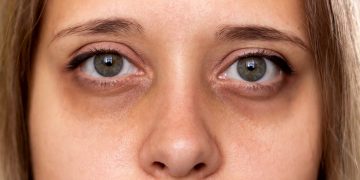
- Dark circles and puffiness under the eyes
- Dull, uneven skin tone
- Accelerated formation of fine lines and wrinkles
- Increased sensitivity and inflammation
Key Insight: Sleep is a cornerstone of skin health. Without it, even the most advanced skincare routines struggle to produce visible results.
2. How Can Pre-Sleep Relaxation Routines Enhance Skin Repair?
Creating a nightly ritual that promotes relaxation signals the body to enter deep, restorative sleep, which in turn maximizes skin regeneration.
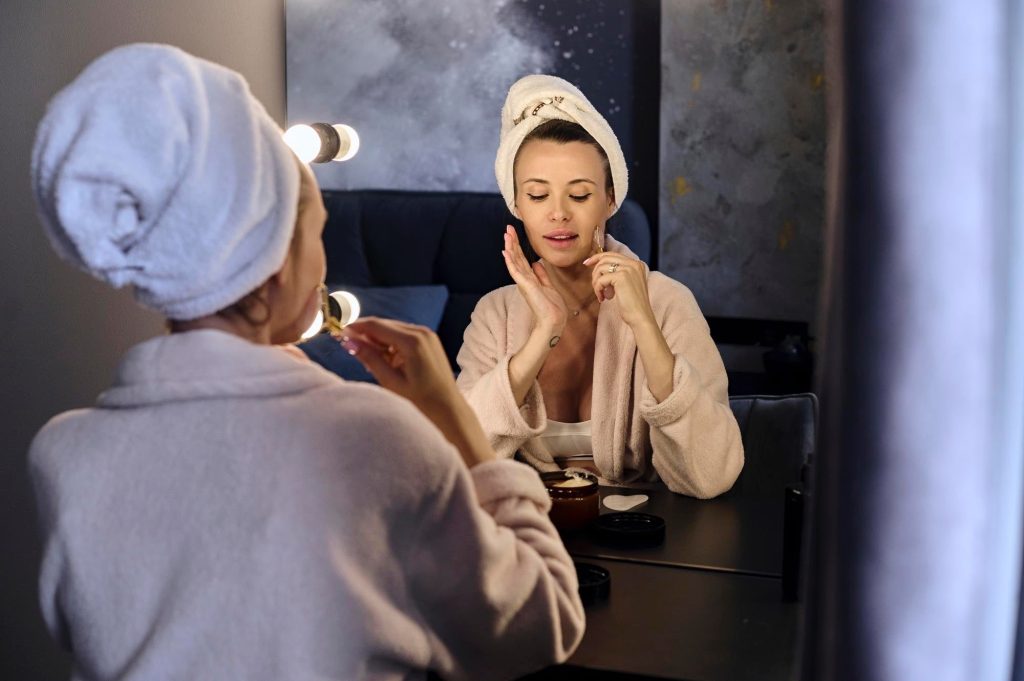
A. Evening Skincare Routine
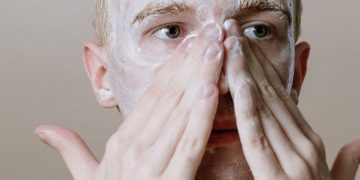
- Cleanse thoroughly to remove makeup, sunscreen, and pollutants that can damage skin overnight
- Apply serums and moisturizers with collagen-boosting or hydrating ingredients
- Gentle facial massage or gua sha can improve circulation, helping nutrients reach skin cells
B. Mind-Body Relaxation
- Deep breathing exercises reduce stress and lower cortisol levels
- Meditation or mindfulness practices calm the nervous system
- Short yoga or stretching routines help release tension, improving sleep quality
C. Aromatherapy
- Scents like lavender and chamomile can enhance relaxation and signal the body it’s time to sleep
- Essential oils may also support circulation and improve skin health indirectly by promoting deep rest
Pro Tip: Consistency is key. A repeatable pre-sleep routine trains your body and mind to enter restorative sleep more efficiently, optimizing overnight skin repair.
3. What Environmental Adjustments Promote Restful Sleep and Skin Health?
The sleep environment can profoundly influence the quality of rest and the skin’s ability to regenerate.
A. Bedroom Temperature
- Ideal sleep temperature is 16–19°C (60–67°F)
- Cooler environments support deeper sleep cycles, enhancing growth hormone release and skin repair
B. Lighting
- Dim or eliminate artificial light in the bedroom; consider blackout curtains
- Exposure to blue light from devices before bed disrupts melatonin, delaying sleep onset and reducing skin regeneration
C. Bedding and Pillowcases
- Silk or satin pillowcases reduce friction and help prevent fine lines and creases
- Clean sheets and pillowcases reduce bacteria that can exacerbate acne or irritation
D. Noise Management
- White noise machines or earplugs can block disturbances that interrupt REM sleep
- Uninterrupted sleep allows the skin to complete full regeneration cycles
E. Electronics
- Limit screen time 1–2 hours before bed
- Night mode on devices reduces blue light exposure, supporting melatonin production
4. Can Supplements Enhance Sleep Quality and Skin Health?
Certain nutrients and compounds can support both restful sleep and skin repair.
A. Melatonin
- Naturally regulates the sleep-wake cycle
- May have antioxidant properties that protect skin from oxidative stress
B. Magnesium
- Supports muscle relaxation and deep sleep
- Indirectly enhances skin repair by improving sleep efficiency
C. Collagen Supplements
- Taken at night, collagen peptides may complement natural skin repair
- Supports elasticity, hydration, and reduces fine lines over time
D. Herbal Aids
- Chamomile, valerian root, and passionflower can promote relaxation
- Often used in teas or tinctures to improve sleep onset and quality
Important: Supplements should be used judiciously and in consultation with a healthcare provider to avoid interactions or excessive dosages.
5. How to Integrate Beauty Sleep Rituals Into a Busy Lifestyle?
For optimal results, sleep-focused skin routines need to be consistent and realistic.
A. Set a Regular Sleep Schedule
- Aim for 7–9 hours of sleep per night, even on weekends
- Consistent sleep-wake times reinforce circadian rhythms, enhancing skin repair
B. Evening Wind-Down
- Dedicate 30–60 minutes before bed to disconnect from work, screens, and stressors
- Use this time for skincare, relaxation exercises, or reading
C. Prioritize Nutrition
- Avoid heavy meals, caffeine, or alcohol close to bedtime, which can disrupt sleep cycles
- Light, nutrient-rich snacks with tryptophan (e.g., turkey, nuts) can promote sleepiness
D. Track Sleep Quality
- Wearable devices or apps can monitor sleep duration and efficiency
- Adjust routines based on feedback to maximize skin benefits
6. Final Thoughts: Can Consistent Beauty Sleep Transform Your Skin?
Sleep is not merely a period of rest—it is a critical window for skin regeneration and anti-aging processes. Quality rest allows collagen production to peak, repairs damage from environmental stressors, and maintains hydration and elasticity.
Implementing intentional beauty sleep rituals, including:
- Relaxing pre-sleep routines,
- Optimized sleep environments, and
- Targeted supplements,
can profoundly impact the skin’s appearance and overall health. Over time, these practices not only reduce visible signs of aging but also strengthen the skin’s resilience, supporting a youthful, radiant complexion naturally.
By prioritizing sleep and combining it with supportive skincare and lifestyle habits, anyone can harness the power of overnight skin repair, making beauty sleep an essential part of a holistic anti-aging strategy.