





















Flash photography can be unforgiving. A look that appears flawless in natural light can suddenly appear washed out, shiny, or even ghostly under a camera flash. The secret lies in understanding how light interacts with makeup and adjusting your routine to ensure a balanced, camera-ready appearance. In this guide, we’ll explore essential tips for base preparation, highlight and contour adjustments, avoiding flashback, and perfecting eye and lip makeup for photography. Mastering these techniques allows you to look radiant, defined, and polished in every photo.
Base Prep: The Foundation of Photo-Ready Makeup
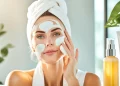
A flawless makeup look starts with the right base. Preparing your skin ensures that your makeup lasts under bright flashes and avoids imperfections that the camera can exaggerate.
- Skin Hydration
- Start with a well-moisturized face. Hydrated skin prevents cakiness and uneven texture that flash can highlight.
- Use lightweight moisturizers and serums that absorb well, avoiding overly greasy products.
- Primer Selection
- Choose a primer that smooths skin texture and minimizes shine.
- Silicone-based primers create a blur effect, reducing the appearance of pores and fine lines under flash.
- Avoid primers with SPF containing zinc or titanium dioxide, which can cause flashback in photos.
- Foundation Choice
- Opt for medium to full coverage foundations that are matte or semi-matte.
- Avoid foundations with high SPF, as the reflective particles can appear white or ghostly in photos.
- Blend foundation carefully using a damp sponge or brush to avoid streaks that flash photography can magnify.
- Concealer Application
- Use a creamy concealer for dark circles, blemishes, and redness.
- Avoid thick, overly bright under-eye concealers, which can appear as white patches in flash photos.
- Blend seamlessly into the foundation for a natural, even look.
- Setting the Base
- Use a finely milled, translucent powder to set foundation and concealer.
- Focus on areas prone to oiliness, such as the T-zone, to prevent shine under bright lighting.
- Avoid reflective powders that can catch light in photographs.
Highlight and Contour Adjustments: Subtle Definition
Properly applied highlight and contour can enhance facial features without creating exaggerated shadows or washed-out areas under flash.
- Contouring Tips
- Use matte contour powders or cream formulas to define cheekbones, jawline, and temples.
- Blend thoroughly to avoid harsh lines that flash can exaggerate.
- Avoid overly dark shades, as they can appear muddy in photos.
- Highlighting Techniques
- Stick to soft, natural highlights instead of glittery or metallic formulas.
- Apply strategically on high points of the face: tops of cheekbones, bridge of the nose, brow bones, and cupid’s bow.
- Avoid highlighting areas prone to oiliness, as this can result in shiny spots under flash.
- Adjusting for Lighting
- If you know you’ll be photographed with direct flash, keep highlighter subtle and diffused.
- Soft cream formulas blend into the skin naturally, avoiding harsh reflections that can overwhelm the camera.
Avoiding Flashback: Key Product Choices
Flashback occurs when makeup reflects the camera’s flash, creating a white or washed-out effect in photos. Here’s how to prevent it:
- Check SPF Content
- Foundations, primers, and powders with SPF often contain zinc oxide or titanium dioxide, which can reflect light.
- For flash photography, choose products without reflective SPF ingredients.
- Avoid Overly Shimmery Products
- Glitter or metallic finishes, especially on the face, can cause unwanted shine and flash reflection.
- Opt for satin or soft luminous finishes instead of high-shine shimmer.
- Test in Flash Photography
- Take a test photo with your phone flash or camera to check for flashback before finalizing your makeup.
- Adjust product choices or application if areas appear overly bright or reflective.
- Blend Thoroughly
- Harsh lines or unblended powders can create stark contrasts that flash exaggerates.
- Smooth transitions between contour, foundation, and highlight areas for a natural finish.
Eye Makeup Tips: Definition Without Overpowering
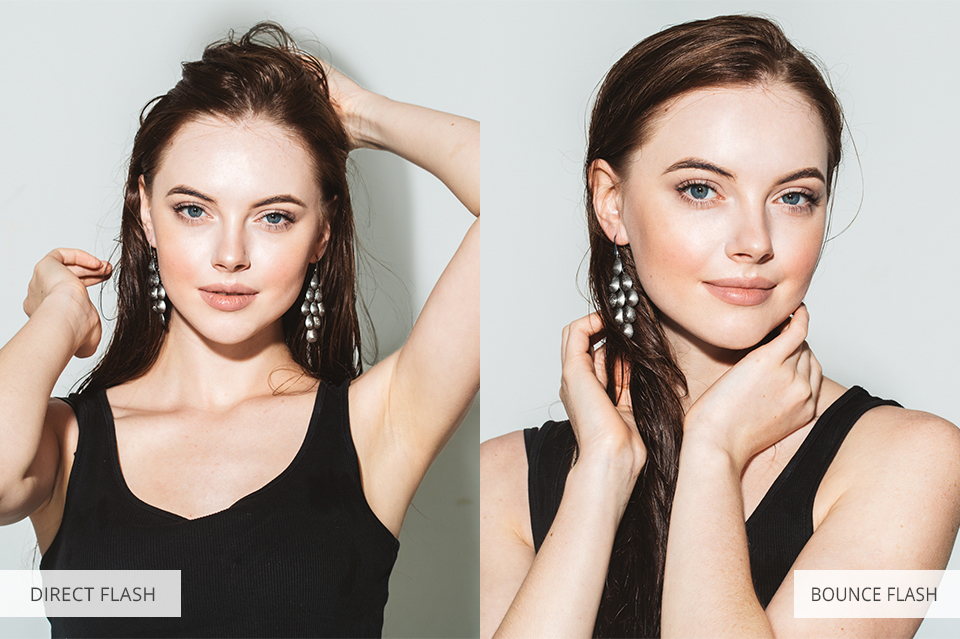
Eye makeup can dramatically change in flash photography. Proper application ensures your eyes look defined and expressive without looking harsh.
- Eyeshadow Choices
- Stick to matte or soft satin shadows for the main lid areas.
- Avoid reflective or metallic shadows in the crease or brow bone that can create glare.
- Use a slightly darker shade on the outer corner to add depth and dimension without harsh lines.
- Eyeliner Techniques
- Apply eyeliner close to the lash line to enhance eye definition.
- Avoid heavy white or nude eyeliner on the waterline, as it can appear stark in flash photos.
- Smudge gel or pencil liner lightly to soften lines and avoid sharp, unnatural edges.
- Mascara and Lashes
- Use volumizing and lengthening mascara to make lashes visible without clumping.
- Avoid excessively long false lashes with glitter, which can reflect light unnaturally.
- Ensure lashes are well-separated to prevent shadowy streaks on the eyelids.
Lip Makeup Tips: Balance and Longevity
Lips play a crucial role in photographs. The right approach ensures your lips look full and natural under flash lighting.
- Lip Color Selection
- Choose matte or satin lipsticks to avoid reflective surfaces.
- Neutral, rosy, and classic shades generally photograph well across lighting conditions.
- Lip Liner
- Outline lips with a liner that matches your lipstick to prevent feathering.
- Slightly overlining is optional, but subtlety is key to avoid an unnatural look.
- Long-Wear Products
- Opt for long-lasting formulas to maintain color throughout a photoshoot.
- Avoid overly glossy products that can reflect light and appear shiny in flash photos.
- Blotting and Setting
- Blot excess product and lightly dust translucent powder over lips if necessary to reduce shine.
Additional Tips for Flash Photography
- Setting Spray: A matte or natural finish setting spray locks in makeup, preventing shine and smudging.
- Camera Test: Take a few test shots under similar lighting to see how makeup appears and make adjustments.
- Moderation is Key: Avoid overly dramatic contour, highlight, or sparkle; the camera can exaggerate features.
- Touch-Ups: Keep blotting papers and a small powder brush handy for quick touch-ups during events.
Final Thoughts
Mastering makeup for flash photography is about understanding how light interacts with your skin and makeup products. Proper base preparation, subtle contouring and highlighting, selecting the right non-reflective products, and thoughtful eye and lip techniques ensure that your look remains polished and natural under even the harshest flashes. By following these tips and testing your makeup in similar lighting conditions, you can achieve a flawless, camera-ready appearance that enhances your features and maintains your confidence in front of the lens.