























The journey to long, healthy hair can feel like a frustrating battle against an unseen enemy. You’re using the right products, getting regular trims, and yet your hair seems to be at a permanent standstill. The culprit may not be what you’re lacking, but what you’re doing wrong. Often, the very habits we believe are beneficial are silently sabotaging our progress, leading to breakage, thinning, and a cycle of growth that never seems to translate into visible length. From the shampoo schedule we swear by to the heat tools we can’t live without, these common missteps systematically undermine the health of your hair and scalp, ensuring that any new growth is canceled out by damage. This guide will expose the four most damaging hair care mistakes—overwashing, heat damage, tight hairstyles, and product overload—and provide a clear, actionable plan of corrective habits to finally break the cycle and unlock your hair’s true growth potential.
Mistake #1: The Overwashing Cycle – Stripping the Scalp’s Natural Ecosystem
The belief that hair must be washed daily to be “clean” is one of the most pervasive growth saboteurs, especially for those with normal to dry hair.
- The Science of the Sabotage: Your scalp produces sebum, a natural oil that is essential for a healthy microbiome and a lubricated, protected hair shaft. Washing with harsh sulfates too frequently strips this sebum away. In response, the scalp goes into panic mode, overproducing oil to compensate, leading to a greasy feeling that makes you want to wash again. This vicious cycle disrupts the scalp’s natural balance, potentially leading to irritation, dryness, and a weakened environment for follicle health.
- The Breakage Link: Furthermore, the process of washing puts hair in its most vulnerable state. Wet hair is more elastic and prone to stretching and snapping. The friction from rubbing with a towel and combing through tangles during every single wash dramatically increases the likelihood of breakage.
- Corrective Habit: Train Your Hair and Scalp.
- Extend Time Between Washes: Gradually add an extra day between your washes. Use dry shampoo as a transitional tool to absorb oil at the roots.
- Switch to a Gentler Shampoo: Use a sulfate-free, hydrating shampoo that cleanses without completely stripping natural oils.
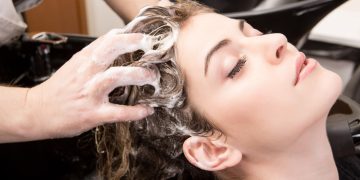
- Focus on the Scalp: When you do wash, concentrate the shampoo on your scalp to break up oil and buildup. Let the suds simply rinse through the lengths of your hair, which don’t need the same level of aggressive cleansing.
Mistake #2: Relentless Heat Styling – The Cumulative Collagen Crash
While the occasional use of hot tools is manageable, daily flat ironing or blow-drying on high heat inflicts cumulative, irreversible damage.
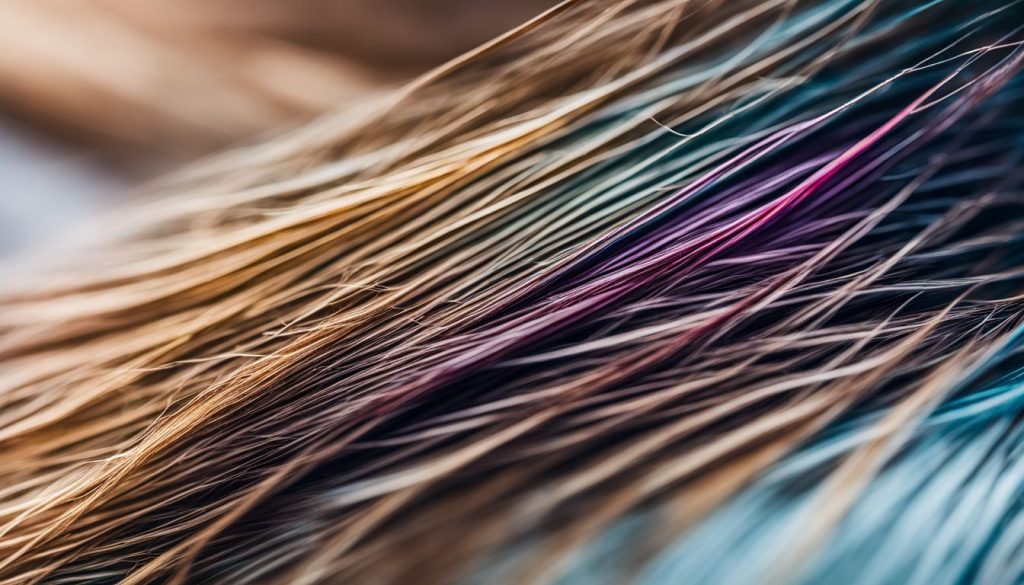
- The Science of the Sabotage: Heat styling works by breaking the hydrogen bonds in the hair’s cortex to reshape it. However, excessive heat goes further, permanently damaging the protein structures (keratin) and boiling the moisture right out of the hair shaft. This leads to “bubble hair,” a condition where steam bubbles form inside the hair strand, creating weak points that snap with minimal tension. This breakage occurs anywhere along the shaft, making it impossible to retain length.
- The “Invisible” Damage: Even if your hair doesn’t look fried, low-grade heat damage manifests as chronic dryness, dullness, split ends, and an inability to hold curl—all signs of a compromised cuticle.
- Corrective Habit: Embrace Strategic Heat Styling.
- The Heat Protectant Non-Negotiable: This is not a suggestion; it is a mandatory step. A good thermal protectant forms a polymer shield around each strand, dispersing heat more evenly and preventing direct thermal assault.
- Lower the Temperature: Fine hair does not need 450°F. Start with the lowest effective temperature (often 300-350°F) and use a single, slow pass with your iron.
- Prioritize Air-Drying: Make air-drying or hooded dryer use your default. Reserve hot tools for special occasions or as a finishing touch, not the primary styling method.
Mistake #3: The Traction of Tight Hairstyles – The Follicle Assassin
Chronic tight ponytails, buns, and braids are a primary cause of a permanent form of hair loss called traction alopecia.
- The Science of the Sabotage: Constant, forceful pulling on the hair follicle creates sustained inflammation. Over time, this inflammation damages the follicle itself, scarring it and preventing it from producing new hair. This is often first noticed as thinning around the hairline, temples, and part lines. The physical tension also causes the hair shaft to snap at the point of stress, leading to broken, frayed strands around the face.
- Corrective Habit: Embrace Loose, Low-Tension Styles.
- Vary Your Hairstyle: Don’t wear a high, tight ponytail in the same spot every day. Switch between loose ponytails, braids, buns, and wearing your hair down.
- Use Gentle Holders: Replace tight, rubber elastics with spiral hair ties, soft scrunchies, or claw clips that don’t pull and tug.
- Listen to Your Scalp: If a hairstyle causes pain, itching, or a headache, it is too tight and causing damage. Your body is sending you a warning signal—listen to it.
Mistake #4: Product Overload – Suffocating the Scalp and Weighing Down Hair
The “more is more” philosophy with hair products can create a barrier to growth by clogging follicles and causing breakage.
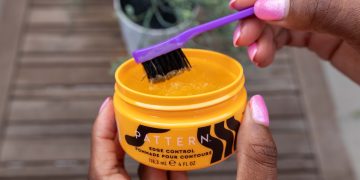
- The Science of the Sabotage: Heavy butters, waxes, and oils applied directly to the scalp can mix with dead skin cells and sebum, clogging hair follicles (pores). A clogged follicle cannot function properly, potentially leading to inflammation, hindered growth, and even folliculitis. On the hair shaft itself, product overload creates a sticky, heavy residue that weighs hair down, attracts dirt, and creates friction that leads to tangling and breakage.
- Corrective Habit: Adopt a Strategic, “Less is More” Approach.
- Clarify Regularly: Use a clarifying shampoo once every 1-2 weeks to remove product buildup from both your hair and scalp.
- Apply Products Strategically: Conditioners, creams, and oils should be applied from the mid-lengths to the ends of your hair, where the oldest, most porous part of the hair needs the most moisture. Keep the roots and scalp clear of heavy products.
- Focus on Scalp-Specific Products: If you want to treat your scalp, use lightweight, water-based serums designed for that purpose, not heavy oils or creams.
Conclusion: From Sabotage to Success
Achieving long hair is less about accelerating growth and more about preserving the length you have by minimizing breakage. Growth happens at the scalp, but length is built by protecting every single centimeter of hair from the root to the tip. By auditing your routine and correcting these four common saboteurs—adopting a gentler washing schedule, respecting heat, loosening your styles, and simplifying your product use—you create an environment where hair can not only grow but thrive. The result is not just faster visible growth, but hair that is fundamentally stronger, shinier, and more resilient from root to tip.