























Color-correcting is a transformative technique in makeup that goes beyond simply applying foundation and concealer. By neutralizing discoloration, redness, or dullness before applying your base, color-correcting allows for a more even, radiant complexion with minimal product. Although it might seem intimidating at first, understanding the principles of color theory, correct application methods, layering techniques, and common pitfalls can make color-correcting an essential part of your beauty routine. This article explores everything you need to know to master the art of color-correcting.
Understanding Corrector Colors: The Guide to Neutralization
Color-correcting is based on the color wheel principle: each color neutralizes its opposite. By choosing the right color corrector, you can cancel out unwanted hues and create a flawless base for foundation.
- Peach or Orange Correctors
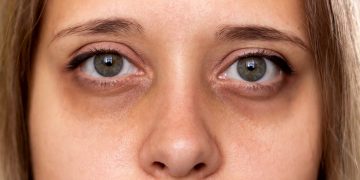
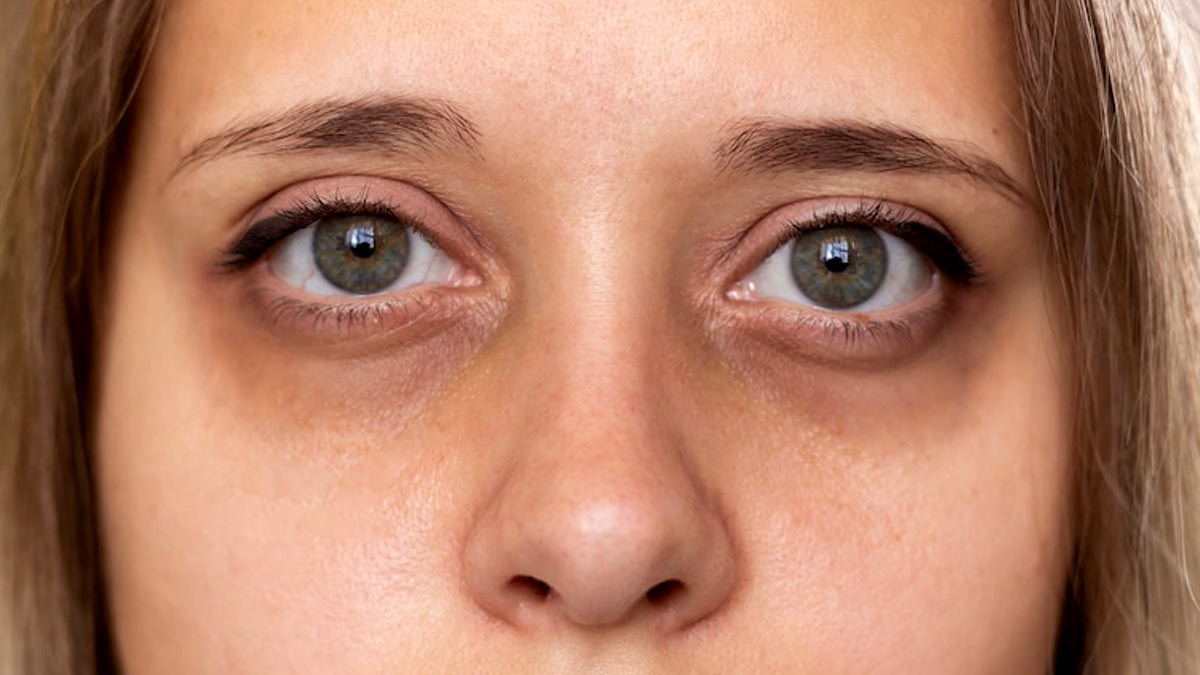
- Ideal for neutralizing dark circles under the eyes, particularly on medium to deep skin tones.
- Peach tones counteract bluish or purple undertones, brightening the under-eye area.
- Pink or Salmon Correctors
- Work well for lighter skin tones to combat dark under-eye circles.
- Adds brightness without appearing orange or unnatural.
- Green Correctors
- Neutralize redness from blemishes, acne, or rosacea.
- Green cancels out red on the color wheel, creating a more balanced skin tone.
- Purple or Lavender Correctors
- Ideal for dull or sallow skin, particularly yellow undertones.
- Brightens and adds a subtle glow to the complexion.
- Yellow Correctors
- Counteract mild purple or blue discoloration under the eyes.
- Can also enhance radiance in lighter skin tones.
- Neutral or Beige Correctors
- Some correctors blend color-neutralizing with light coverage, ideal for subtle adjustments.
Application Methods: Precision and Technique
Proper application is key to making color-correctors work without looking heavy or unnatural.
- Target the Area Specifically
- Apply correctors only where discoloration exists. Avoid covering areas unnecessarily, which can create an uneven tone.
- For under-eye circles, apply in a small triangle under the eyes to brighten the area and lift visually.
- Small Amounts Go a Long Way
- Correctors are highly pigmented. Dab small amounts and build coverage gradually.
- Using too much product can result in a heavy, cakey look once foundation is applied.
- Blending Techniques
- Use a small brush, sponge, or fingertip to gently blend edges.
- Avoid rubbing, which can remove product from the targeted area or irritate delicate skin.
- Focus on Problem Areas
- For redness: Apply green corrector directly on blemishes, broken capillaries, or redness around the nose.
- For dark circles: Peach or salmon tones under the eyes neutralize discoloration.
- For dull areas: Lavender or purple shades on the forehead, cheeks, or chin add radiance.
Layering with Foundation: Achieving a Seamless Finish
After applying correctors, foundation and concealer are layered to create a flawless, natural look.
- Foundation Application
- Apply foundation lightly over the color-corrected areas using a damp beauty sponge or brush.
- Patting motions work best to avoid disturbing the corrector underneath.
- Concealer Over Corrector
- In areas that need extra coverage, lightly apply a concealer that matches your skin tone over the corrector.
- Blend gently to prevent streaking or heavy buildup.
- Adjusting for Skin Type
- Dry skin: Creamy correctors and foundations blend more easily. Avoid powder-heavy products, which can accentuate dryness.
- Oily skin: Use lightweight, oil-free formulas and set with a translucent powder to prevent sliding.
- Combination skin: Adjust formulas depending on area—hydrating under the eyes and matte on blemishes or oily zones.
- Build in Layers
- Start with corrector, then foundation, and then concealer if needed.
- Gradual layering ensures even coverage without creating a thick, unnatural appearance.
Common Mistakes to Avoid
Even seasoned makeup users can encounter pitfalls with color-correcting. Awareness of these mistakes ensures a flawless finish.
- Using the Wrong Color
- Applying a color that doesn’t neutralize the discoloration can worsen the appearance. For instance, using green to hide blue under-eye circles may create a gray or splotchy look.
- Over-Applying Corrector
- Excessive product can be visible even after foundation, making the skin look heavy or cakey.
- Blending Too Much
- While blending is essential, over-blending can dilute the corrector’s effect, failing to neutralize discoloration.
- Ignoring Skin Undertones
- Corrector color should harmonize with both the discoloration and your natural skin tone. Choosing a corrector that clashes with undertones can appear unnatural.
- Skipping Primer
- Without a primer or hydrating base, correctors may crease, especially around fine lines or under the eyes.
- Applying Foundation Too Heavily
- Heavy foundation can displace the corrector or create a patchy effect. Light, controlled layers are key.
Additional Tips for Mastering Color-Correcting
- Invest in Quality Products: Highly pigmented, creamy correctors blend better and last longer.
- Use Tools Wisely: Small brushes, sponges, or fingertips allow precise placement.
- Adjust for Time of Day: For daytime, subtle corrections often suffice. For events or photography, layering can create flawless coverage.
- Practice Makes Perfect: Understanding how much product to apply, and where, improves with experimentation.
Final Thoughts
The art of color-correcting is about understanding color theory, precision application, and thoughtful layering. By choosing the right corrector colors, applying them carefully, layering foundation and concealer appropriately, and avoiding common mistakes, you can achieve a smooth, radiant, and even complexion. Mastering these techniques not only enhances makeup application but also reduces reliance on heavy foundation, allowing your skin to appear naturally flawless and luminous. With practice, color-correcting becomes an intuitive step in your routine, giving you the confidence to tackle any skin concern effortlessly.