

















Detangling hair may seem like a simple daily routine, but it’s often a source of frustration and damage for many. Knots and tangles can lead to breakage, split ends, hair loss, and scalp discomfort if not handled properly. The key to smooth, healthy hair lies not only in the tools and products you use but also in understanding the best techniques for your hair type and incorporating protective hairstyles into your routine.
Whether your hair is straight, wavy, curly, or coily, detangling is an essential step to maintain shine, manageability, and overall health. This comprehensive guide will break down the tools, products, methods, and protective strategies you need to master the art of detangling hair safely.
1. Essential Tools and Products for Detangling
Using the right tools and products is the foundation of successful detangling. The goal is to minimize friction, reduce breakage, and gently separate knots.
1.1 Brushes and Combs
Choosing the correct brush or comb depends on your hair type and texture.
Wide-Tooth Comb
- Ideal for wet hair and curly or coily textures
- Reduces tugging and breakage
- Perfect for initial detangling after conditioning
Detangling Brush
- Flexible bristles designed to glide through tangles
- Suitable for medium to thick hair types
- Works well with wet or damp hair
Boar Bristle Brush
- Distributes natural oils from scalp to ends
- Best for straight or wavy hair
- Use on dry hair to enhance shine, not for wet detangling
Tangle Teezer or Finger Detangling
- Excellent for delicate or highly textured hair
- Allows more control over knots
- Reduces hair stress compared to rigid brushes
1.2 Detangling Products
Detangling products help lubricate strands and ease knot removal.
- Conditioners: Slip-rich formulas for wet hair
- Leave-in conditioners: Provide ongoing moisture and protection
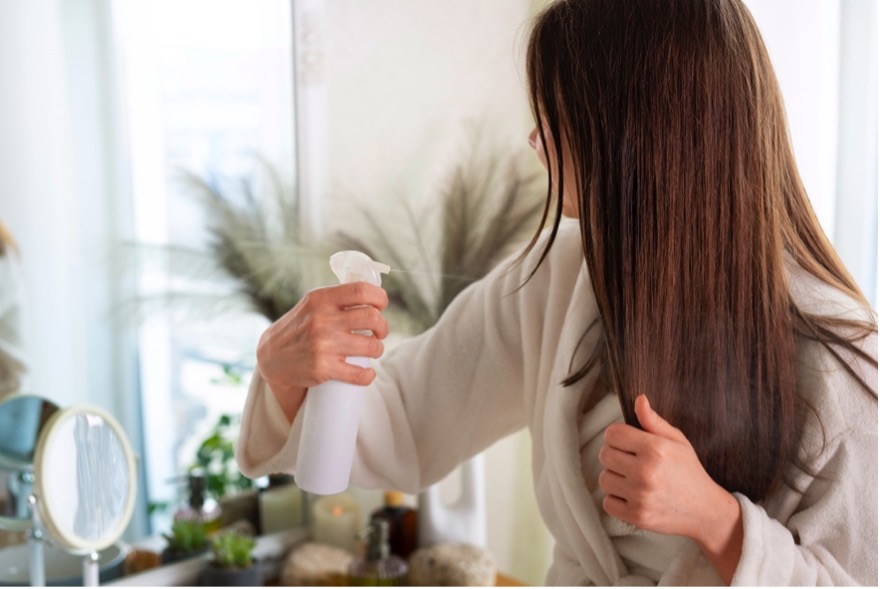
- Detangling sprays/mists: Lightweight for daily use or travel
- Hair oils: Add extra glide, especially on ends
Pro Tip:
Always use products appropriate for your hair porosity. Low-porosity hair may need lightweight sprays, while high-porosity or chemically treated hair benefits from heavier oils.
2. Wet vs. Dry Detangling: When and How
Whether to detangle hair wet or dry depends on your hair type, texture, and damage level.
2.1 Wet Detangling
Best for: curly, coily, thick, or high-porosity hair
Steps:
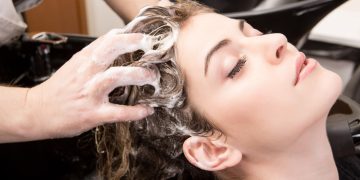
- Wash and condition hair thoroughly.
- Apply leave-in conditioner or detangling spray.
- Divide hair into sections (4–6 sections for thick hair, 2–3 for thin).
- Start from the ends, gently working toward the roots.
- Use a wide-tooth comb or fingers.
Benefits:
- Moisture reduces friction and breakage
- Easier to remove stubborn tangles
- Works well with hair that shrinks when wet
Caution: Avoid combing soaking wet, fine hair aggressively, as it is more prone to breakage.
2.2 Dry Detangling
Best for: straight, wavy, fine, or lightly textured hair
Steps:
- Apply lightweight leave-in spray or hair oil.
- Use a boar bristle brush or detangling brush.
- Start from ends, slowly moving upward.
Benefits:
- Prevents excessive stretching of fine hair
- Good for daily touch-ups
- Ideal for short or layered cuts
Caution: Avoid rough, fast strokes that can cause split ends.
3. Strategies to Avoid Breakage
Preventing damage during detangling is as important as the process itself.
3.1 Sectioning Is Key
Dividing hair into manageable parts ensures:
- Even detangling
- Less stress on individual strands
- Faster process
For thick, curly, or long hair, consider 6–8 sections.
3.2 Finger Detangling First
- Gently separate large knots with your fingers before using a comb.
- Reduces tension and snapping of hair.
- Ideal for fragile, curly, or chemically treated hair.
3.3 Start from the Ends, Work Upwards
- Never start at the roots.
- Begin at the tips and gradually move toward the scalp.
- This minimizes pulling and breakage.
3.4 Use Adequate Slip
- Always detangle with moisture, conditioner, or oil.
- Lubrication prevents strands from catching and breaking.
3.5 Limit Heat Styling Post-Detangling
- Avoid blow-drying immediately after rough detangling.
- Allow hair to air dry when possible, or use heat-protective products.
4. Protective Hairstyles That Reduce Tangles
Wearing protective styles can prevent tangles between washes, especially for long, curly, or coily hair.
4.1 Braids
- Simple three-strand or French braids reduce friction
- Loose braids prevent scalp tension
- Ideal for daily wear or overnight protection
4.2 Twists
- Two-strand twists protect curl definition
- Less manipulation reduces breakage
- Suitable for medium to thick hair
4.3 Buns and Updos
- Low or high buns protect ends
- Avoid tight buns to prevent tension and traction alopecia
- Silk or satin scrunchies minimize friction
4.4 Pineapple Method (Curly Hair)
- High ponytail at the crown protects curls overnight
- Preserves curl pattern and prevents matting
- Use a silk or satin bonnet
5. Tailoring Detangling to Your Hair Type
Every hair type has unique needs.
5.1 Straight Hair
- Detangle mostly dry
- Lightweight leave-in or water mist
- Avoid heavy oils that flatten hair
5.2 Wavy Hair
- Detangle wet or damp
- Focus on mid-lengths to ends
- Use finger detangling to prevent frizz
5.3 Curly Hair
- Detangle wet with conditioner or oil
- Section hair
- Finger detangle first, then comb gently
5.4 Coily/Kinky Hair
- Detangle wet with rich conditioner or oil
- Use small sections
- Gentle finger detangling is essential
- Protective hairstyles at night reduce daily tangles
6. Maintaining Healthy Hair Between Detangling Sessions
- Sleep on silk or satin pillowcases
- Refresh curls or waves with water spray and leave-in conditioner
- Minimize excessive brushing
- Regular trims prevent split ends and tangles
Conclusion: Can Detangling Be Painless and Effective?
Absolutely. By choosing the right tools, products, and techniques for your hair type, detangling can become a stress-free process that preserves hair health. Incorporating protective hairstyles and mindful methods ensures your hair remains strong, shiny, and manageable. Remember: patience, sectioning, and lubrication are your best allies.