









The world of hair coloring is filled with beautiful techniques, but two have consistently captured the spotlight for their ability to create dimension, depth, and a sun-kissed glow: balayage and ombre. While often used interchangeably, they are distinct artistic approaches with different outcomes, maintenance demands, and impacts on your hair. Choosing the wrong one can lead to a result that falls flat of your expectations, requiring corrective color or growing-out frustration. Understanding the fundamental differences between these techniques is the key to walking out of the salon with a look that not only turns heads but also seamlessly integrates with your lifestyle and hair health goals. This guide will dissect the technical differences, compare their maintenance cycles, evaluate the health considerations for your hair, and provide styling tips to keep your color looking flawless from one appointment to the next.
The Art of the Application: Core Technique Differences
The most significant difference lies in the method of application and the resulting visual effect.
Balayage: The Hand-Painted Glow
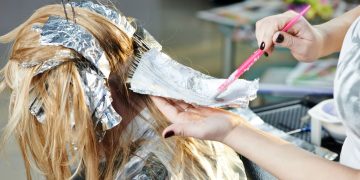
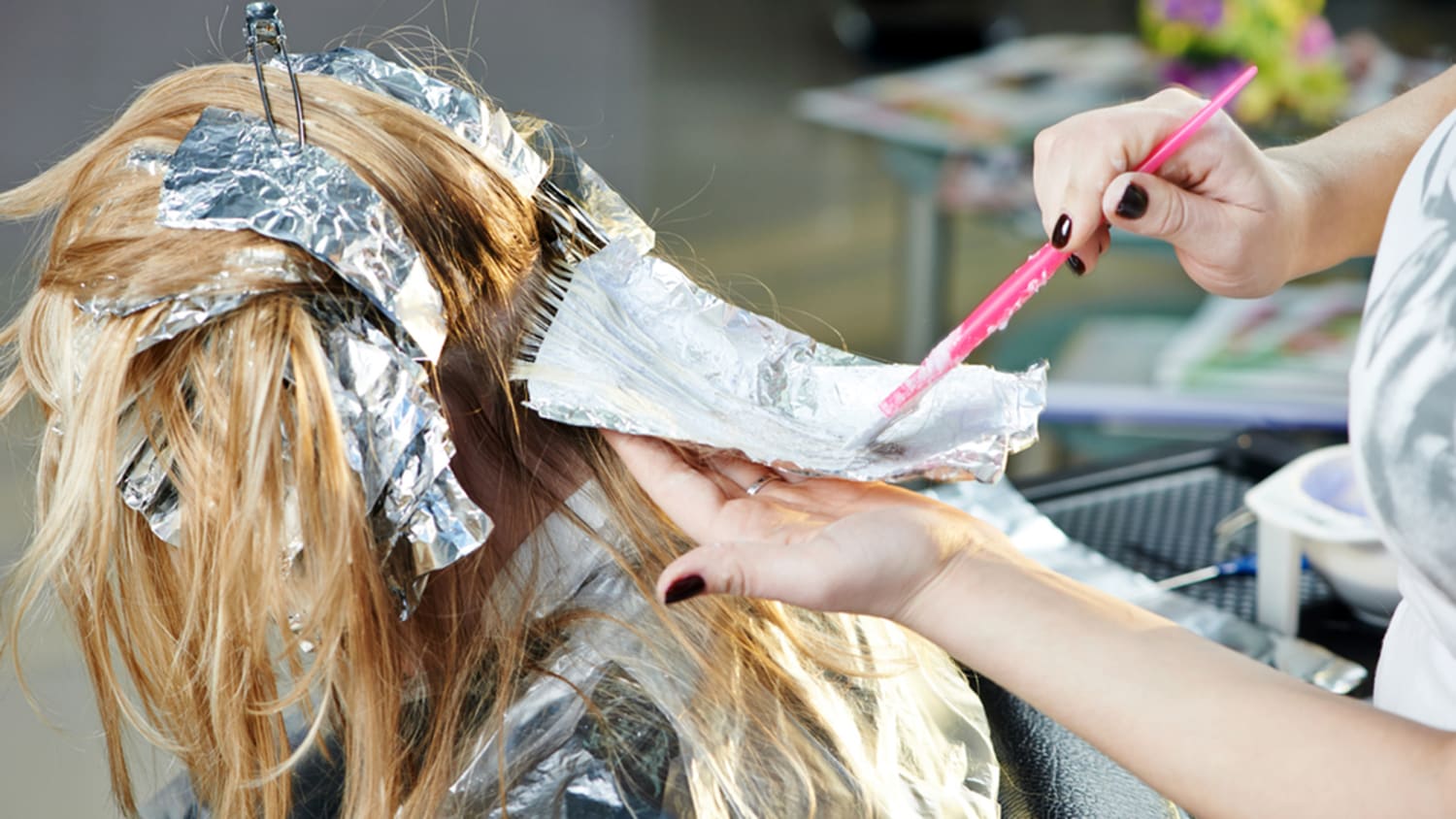
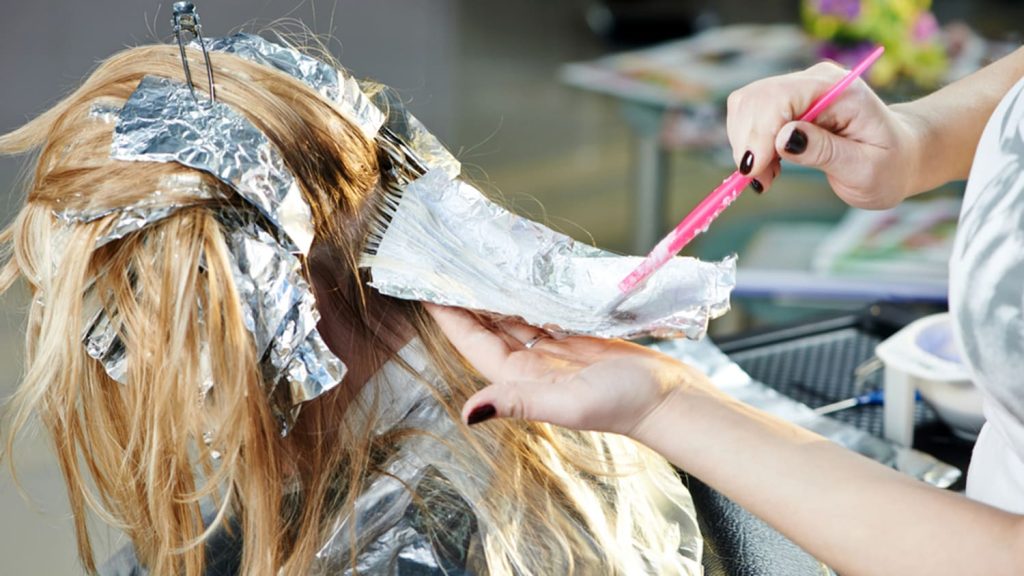
- Technique: The term “balayage” comes from the French word meaning “to sweep.” In this freehand technique, the colorist strategically paints lightener onto the surface of the hair, typically focusing on the mid-lengths to ends and framing the face. The application is not uniform; it is heavier on some sections and lighter on others, with a soft, feathered transition at the starting point.
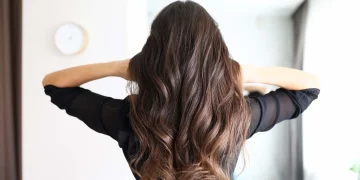
- The Result: The goal is to mimic how the sun naturally lightens hair. The result is a highly customized, soft, and dimensional look with no obvious lines of demarcation. The highlights are seamlessly blended with your base color, creating a natural, low-contrast, and effortless grow-out. It’s about creating a pattern of light, not a block of color.
Ombre: The Graduated Contrast
- Technique: Ombre, meaning “shadow” in French, is characterized by a more distinct gradient of color. It typically involves a darker root that gradually transitions to a significantly lighter end. While modern ombres are blended, the transition is more pronounced and horizontal than in balayage. The application is often more saturated and sectioned to ensure an even lightening from the mid-shaft down.
- The Result: Ombre creates a bold, two-toned effect. It’s a look that is intentionally more dramatic and high-contrast than balayage. Think of the iconic “dark roots to light ends” style. The focus is on the color gradient itself, making a statement.
The Long-Term Commitment: Maintenance and Grow-Out
Your lifestyle and how often you want to visit the salon should heavily influence your choice.
- Balayage: The Low-Maintenance Champion
- Grow-Out: This is balayage’s biggest selling point. Because the transition from your natural color to the lightened pieces is soft and there is no harsh line, the grow-out is incredibly graceful. You can easily go 4-6 months between salon visits without it looking unkempt. The soft regrowth simply blends into the overall dimensional effect.
- Maintenance: Requires minimal touch-ups. You may only need a “refresh” once or twice a year, where the colorist adds a few new face-framing pieces or lightens the very ends. There is no need for frequent root touch-ups.
- Ombre: The Moderate-Maintenance Statement
- Grow-Out: While modern techniques have softened the ombre look, the more defined contrast means that as your hair grows, the line between your natural root and the lightened section can become more noticeable over time. It doesn’t require the strict 6-8 week root touch-up of an all-over color, but it will eventually need a blend.
- Maintenance: You’ll likely need to visit the salon every 3-4 months to have the transition zone re-blended to prevent a harsh, horizontal line from forming. The ends may also need toning more frequently to combat brassiness.
Hair Health Considerations: Which is Gentler?
Both techniques involve lightening, but the impact on hair integrity can differ.
- Balayage: Generally considered the healthier option. Because the lightener is not applied to the roots (which are the most fragile and porous part of the hair) and is painted on in a varied pattern, it avoids overall uniform processing. This means large sections of your hair, especially the regrowth and underlying layers, are left untouched and in their virgin, healthiest state. The result is less overall damage and better hair strength.
- Ombre: Can be more demanding on the hair, particularly the ends. To achieve the solid, light ends, the hair from the mid-lengths down is often saturated with lightener. This can be especially damaging if you are starting with a very dark base color or if your ends are already compromised from previous coloring. A skilled colorist will assess the condition of your ends and may recommend a phased approach to avoid severe damage.
Styling Tips to Maximize Your Color Investment
How you style your hair can make or break the effect of your color service.
For Balayage:
- Embrace Texture: The beauty of balayage is in its dimension, which is best showcased in waves and texture. Use a curling wand to create loose, beachy waves, or braid your hair overnight for a natural, textured look.
- Shine-Enhancing Products: The multi-tonal effect of balayage comes alive with shine. Use a glossing serum or a lightweight oil to smooth the hair and make the different tones pop.
- Avoid Flat Ironing Straight: While it will still look good, pin-straight hair can sometimes flatten the dimensional effect. If you straighten, use a volumizing spray at the roots to maintain movement.
For Ombre:
- Smooth and Sleek: A sleek, straight blowout can beautifully emphasize the clean color gradient of an ombre, making the transition the star of the show.
- Color-Depositing Masks: Since the ends are the lightest, they are most prone to fading and brassiness. Use a purple or blue shampoo weekly, or a color-depositing mask in a cool tone (like silver or beige) to keep the ends bright and ash-toned.
- Voluminous Curls: For a dramatic effect, create voluminous curls. The contrast between the dark roots and light ends will be highlighted in each curl ringlet.
Conclusion: A Question of Effortless vs. Dramatic
The choice between balayage and ombre ultimately boils down to your personal aesthetic and lifestyle.
- Choose Balayage if you want a natural, sun-kissed look that requires minimal maintenance, grows out gracefully, and is generally healthier for your hair. It’s the definition of “effortless chic.”
- Choose Ombre if you desire a bolder, more dramatic statement with a clear color gradient. You are willing to commit to a bit more maintenance to keep the transition seamless and are starting with hair that is healthy enough to handle the more saturated lightening on the ends.
By consulting with a skilled colorist who can assess your hair’s condition and understand your vision, you can ensure that your chosen technique—whether the softly painted art of balayage or the striking gradient of ombre—will leave you with a stunning, personalized result.