






















For individuals with sensitive eyes, applying makeup can be both a challenge and a risk. Irritation, redness, watering, and allergic reactions are common concerns, making it essential to choose the right products and techniques. The goal is to enjoy creative and expressive makeup looks without compromising eye health. This guide explores hypoallergenic product options, safe application methods, proper removal techniques, and strategies to avoid irritation, ensuring a comfortable and beautiful makeup experience.
Understanding Sensitive Eyes
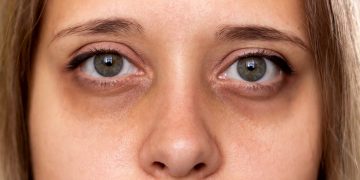
Sensitive eyes can be caused by several factors, including naturally delicate skin, allergies, contact lenses, or certain medical conditions like dry eye syndrome or blepharitis. Makeup for sensitive eyes must be formulated to minimize reactions while still allowing for creativity and expression. Common signs of irritation include:
- Redness or puffiness
- Excessive tearing or watering
- Itching or burning sensation
- Swelling around the eyelid area
Awareness of these symptoms and taking preventative steps can make a significant difference in both comfort and appearance.
Hypoallergenic Product Options: Choosing Safe Makeup
Selecting the right products is crucial for preventing irritation. Hypoallergenic options are formulated to reduce the likelihood of allergic reactions and are generally free from harsh chemicals, fragrances, or irritants.
- Foundations and Concealers
- Choose non-comedogenic, fragrance-free, and dermatologist-tested formulas.
- Lightweight and hydrating foundations minimize stress on the delicate eye area.
- Mineral-based foundations can be a gentle alternative for sensitive skin.
- Eyeshadows
- Opt for mineral or cream-based eyeshadows that are free from talc, parabens, and artificial dyes.
- Avoid heavily glittered products, as large particles can flake into the eyes.
- Soft, natural pigments are less likely to cause irritation.
- Eyeliner and Brow Products
- Use hypoallergenic, ophthalmologist-tested eyeliners and pencils.
- Gel or liquid liners with minimal preservatives are often safer than traditional pencil liners.
- Avoid eyeliner on the inner waterline if prone to irritation.
- Mascara
- Choose mascara labeled safe for sensitive eyes or contact lens wearers.
- Avoid waterproof formulas that require aggressive removal, which can stress the lashes and eyes.
- Use disposable wands if sharing mascara is unavoidable.
- Lip Products
- While not applied directly to the eyes, fragrances or pigments from lipsticks can transfer and irritate the eyes. Opt for fragrance-free, hypoallergenic formulas.
Safe Application Methods: Minimizing Risk
Proper application techniques are as important as product selection for sensitive eyes. Small adjustments can reduce the chance of irritation while maintaining a polished look.
- Clean Hands and Tools
- Always wash hands before applying eye makeup.
- Use clean brushes, sponges, or applicators to prevent bacteria transfer.
- Minimal Product Contact with Waterline
- Avoid applying eyeliner or pencil directly to the inner rim of the eyes.
- Focus on the lash line or upper eyelid, reducing the risk of product entering the eye.
- Gentle Motions
- Avoid rubbing or pulling the eyelid skin.
- Pat or softly sweep products across the lids for smooth coverage.
- Layering Carefully
- Apply thin layers of product rather than heavy coats.
- Gradual buildup reduces particle fallout and minimizes potential irritation.
- Primer Selection
- Hypoallergenic eye primers can create a smooth canvas for eyeshadow and improve longevity.
- Avoid primers with fragrances or harsh chemicals that may trigger sensitivity.
- Testing New Products
- Perform a patch test on the inner arm or behind the ear before applying new products near the eyes.
- Observe for 24–48 hours to check for any reaction before full application.

Removal Tips: Protecting Sensitive Eyes
Removing makeup safely is just as critical as applying it properly. Harsh removal methods can aggravate sensitive eyes, leading to redness or infection.
- Use Gentle Makeup Removers
- Choose fragrance-free, hypoallergenic removers or micellar water designed for sensitive eyes.
- Avoid oil-based removers if prone to clogged pores or irritation.
- Soft Tools for Removal
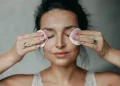
- Use cotton pads or soft reusable wipes.
- Avoid rough cloths or scrubbing, which can damage delicate eyelid skin.
- Pat, Don’t Rub
- Press the remover gently on the eye area for a few seconds to dissolve makeup.
- Slowly wipe away product without harsh movements.
- Double Cleanse if Necessary
- For stubborn or waterproof makeup, a second gentle cleansing step ensures all residue is removed without aggressive rubbing.
- Hydration After Removal
- Apply a soothing, hypoallergenic eye cream or serum to maintain skin barrier health.
- Ingredients like hyaluronic acid or aloe vera help calm the skin.
Avoiding Irritation: Lifestyle and Makeup Strategies
Prevention goes beyond product selection and application technique. Adopting safe habits can protect sensitive eyes over time.
- Regular Tool Cleaning
- Wash brushes and sponges weekly to prevent bacteria buildup.
- Avoid sharing makeup to minimize cross-contamination.
- Avoid Expired Products
- Discard eye makeup past its expiration date to prevent infections.
- Mascara typically expires after 3–6 months, while pencils and powders can last longer if stored properly.
- Be Mindful of Ingredients
- Avoid products with alcohol, strong fragrances, or heavy preservatives near the eyes.
- Opt for ophthalmologist-tested, non-irritating formulas.
- Allergy Awareness
- Note any ingredients that trigger reactions and avoid products containing them.
- Consider consulting a dermatologist or allergist if sensitive reactions are frequent.
- Protect Eyes During Application
- Tilt the head slightly back to prevent fallout from eyeshadow.
- Apply powder products before liquids to minimize particles landing on wet or sensitive skin.
Additional Tips for Comfortable, Beautiful Looks
- Neutral Colors: Soft shades and muted tones reduce irritation risk and are versatile for daily wear.
- Minimal Layers: Avoid heavy, layered eye makeup that can stress the eyes.
- Hydration Focus: Moisturized eyes and lids reduce flaking or dryness that can trap particles.
- Regular Breaks: If wearing makeup long hours, give eyes time to rest periodically.
Final Thoughts
Makeup for sensitive eyes is about balancing creativity with safety. Choosing hypoallergenic products, applying them with care, removing them gently, and preventing irritation are all crucial for maintaining both eye health and beauty. By adopting these strategies, anyone with sensitive eyes can enjoy vibrant and expressive makeup looks without compromising comfort or safety. Patience, testing, and mindful product choices allow sensitive eyes to remain protected while still achieving polished, radiant results.