















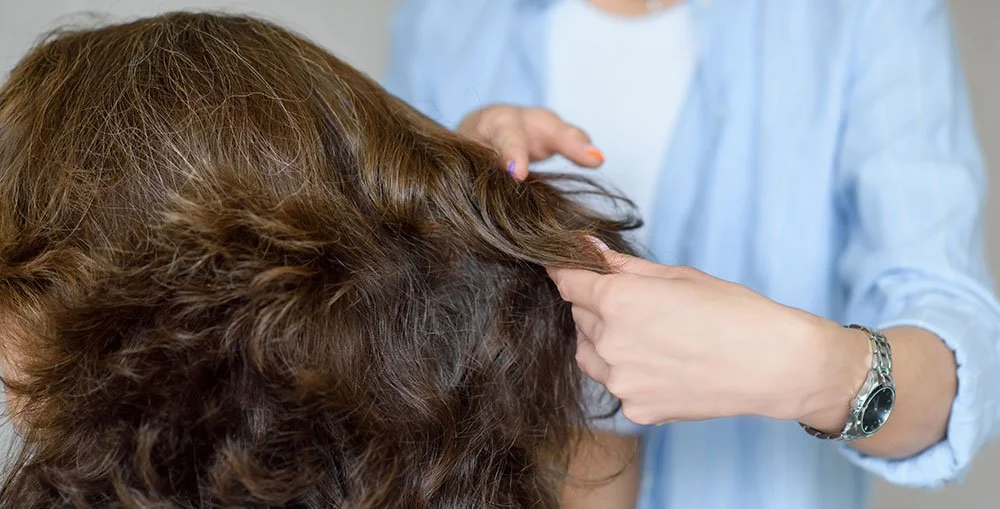
We admire hair for its shine, its color, and its movement, but the true hallmark of its underlying health is a property we rarely discuss: elasticity. Elasticity is your hair’s ability to be stretched and then return to its original length without breaking. This isn’t just a party trick; it’s a direct indicator of the structural integrity of the hair shaft. When elasticity is compromised, hair becomes brittle, prone to snap, and impossible to grow to its full potential. The key to managing elasticity lies in understanding a fundamental, delicate balance—the interplay between protein and moisture. These two elements work in a symbiotic dance to create hair that is both strong and supple. This guide will demystify this critical balance, identify the signs of weak hair, recommend treatments that genuinely restore elasticity, and show you how to integrate these principles into a sustainable, strengthening routine.
The Core Partnership: The Protein vs. Moisture Balance
Think of a single hair strand as a rubber band. A brand-new, high-quality rubber band is both strong (from its manufactured structure) and flexible (able to stretch and snap back). Over time, if it’s left in the sun, it becomes dry and brittle, losing its flexibility—this is a moisture issue. If it’s overstretched and the internal structure snaps, it loses its strength—this is a protein issue. Hair operates on the same principles.
- Protein: The Structural Reinforcement
- Role: Protein, primarily in the form of keratin, provides the hair’s hard structure, strength, and rigidity. Think of it as the steel beams in a skyscraper.
- Effect of Deficiency: When hair is lacking protein, it becomes weak, overly soft, mushy, and stretchy. It loses its ability to hold a curl and will snap easily under tension because the internal support structure is compromised. This is known as hygral fatigue—damage from the hair shaft swelling with water and contracting repeatedly without sufficient protein to hold it together.
- Moisture: The Flexible Hydrator
- Role: Moisture (water and humectants) provides flexibility, softness, and pliability. It allows the hair to stretch without immediately breaking.
- Effect of Deficiency: When hair is lacking moisture, it becomes dry, brittle, rough, and inflexible. It loses its elasticity and will snap with even a small amount of tension because it cannot stretch at all.
The Goal: The ideal head of hair has a perfect balance—enough protein to provide strength and prevent over-stretching, and enough moisture to provide flexibility and prevent brittleness.
Diagnosing the Problem: Clear Signs of Weak and Unbalanced Hair
Your hair will tell you what it needs; you just have to learn to listen.
Signs You Need PROTEIN (The Structure is Weak):
- The Stretch Test: Take a single wet hair strand and gently pull it from both ends. If it stretches significantly and does not return to its original length, or breaks without much of a fight, it needs protein.
- Hair feels overly soft and limp, even after washing.
- Hair lacks texture and won’t hold a style.
- Increased breakage, especially when hair is wet and being manipulated.
Signs You Need MOISTURE (The Flexibility is Gone):
- The Stretch Test: The hair strand stretches very little and snaps quickly and abruptly.
- Hair feels dry, rough, and straw-like.
- Constant tangling and excessive frizz.
- Lack of shine and a generally dull appearance.
- Breakage occurs during simple brushing or styling.

Prescriptive Treatments: How to Actively Restore Elasticity
Once you’ve diagnosed the issue, you can apply targeted treatments.
For Moisture-Deficient Hair:
- Deep Conditioning Masks: Use moisturizing masks with ingredients like Shea Butter, Coconut Oil, Argan Oil, and Glycerin. These are emollients and humectants that penetrate or coat the hair shaft to restore flexibility.
- The Greenhouse Effect (Pre-Pooing): Before shampooing, apply a warm oil treatment (like coconut or avocado oil) to dry hair, cover with a plastic cap, and leave it on for 30 minutes. The heat helps the oil penetrate, pre-lubricating the hair to prevent moisture stripping during the wash.
- Steam Treatments: Using a hair steamer during a deep conditioning treatment opens the cuticle and drives moisture deep into the cortex, providing an intense hydration boost.
For Protein-Deficient Hair:
- Protein Reconstructors: Use treatments containing hydrolyzed proteins—such as hydrolyzed keratin, wheat protein, or silk protein. These proteins are small enough to penetrate the hair shaft and patch up holes in the cortex, acting as a temporary scaffold to restore strength.
- Aphogee Two-Step Protein Treatment: This is a heavy-duty, salon-grade treatment for severely damaged hair. It forms a hard, protein-based cast around the hair shaft during treatment, providing an intense structural reinforcement. It must be followed by a rich moisturizing conditioner.
- Rice Water Rinses: Fermented rice water is rich in the protein inositol, which can help strengthen hair and reduce surface friction, improving elasticity over time.
For Maintaining Balance:
- Balanced Deep Conditioners: Many commercial deep conditioners contain a blend of both moisturizing agents and light proteins (like hydrolyzed silk), making them perfect for weekly maintenance.
Routine Integration: Building a Sustainable, Elasticity-Focused Regimen
Consistency is more important than any single, intensive treatment.
The Weekly Check-In:
- Let your hair’s behavior guide you. Before your weekly wash day, perform the stretch test. Does it feel weak and stretchy? Incorporate a protein treatment. Does it feel dry and brittle? Do a moisturizing mask.
The Sample Balanced Routine:
- Shampoo: Use a gentle, sulfate-free formula to avoid stripping natural oils.
- Conditioner: Use a daily conditioner that matches your immediate need (light protein or pure moisture).
- Weekly Treatment: This is your variable slot. Rotate between:
- A moisturizing deep conditioner (most weeks).
- A light protein treatment (every 3-4 weeks, or as needed based on the stretch test).
- A heavy-duty protein treatment (only 4-6 times a year, or for severe chemical damage).
- Leave-In Products: Always use a leave-in conditioner for daily moisture. Follow with a light serum or cream that contains a mix of moisturizing and strengthening ingredients.
The Golden Rule:
Always follow a protein treatment with a moisturizing conditioner. Protein makes hair strong but can make it stiff if not balanced with moisture. This final step ensures you lock in the strength while restoring the necessary flexibility.
Conclusion: From Brittle to Resilient
Mastering hair elasticity is the ultimate secret to achieving hair that doesn’t just look healthy, but is inherently strong and resilient. It moves the focus from superficial fixes to foundational repair. By learning to diagnose your hair’s needs through simple tests, understanding the distinct roles of protein and moisture, and strategically integrating targeted treatments into a consistent routine, you can systematically reverse damage and build unbreakable hair. This scientific approach transforms your haircare from a guessing game into a precise strategy, ensuring that every strand possesses the perfect balance of strength and flexibility to withstand daily life and grow to its longest, healthiest potential.