








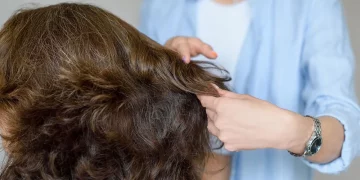
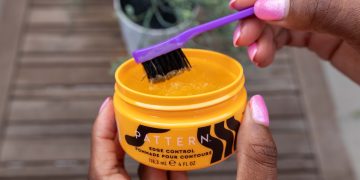



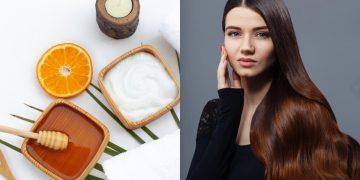









Healthy, shiny hair often begins in the kitchen. While commercial hair products can deliver excellent results, DIY hair masks made with natural ingredients offer a customizable, nourishing, and cost-effective alternative. Ingredients like natural oils, honey, and avocado not only restore moisture but also strengthen strands, reduce breakage, and improve overall hair manageability. This comprehensive guide explores the best ingredients, application methods, frequency, and precautions for creating effective DIY hair masks tailored to your hair type and needs.
1. Key Ingredients for DIY Hair Masks
Selecting the right ingredients is essential to target moisture, strength, or both.
1.1 Natural Oils
Oils penetrate the hair shaft, reduce frizz, and provide essential fatty acids.
- Coconut Oil: Rich in lauric acid, penetrates deep into the hair shaft, ideal for protein-deficient hair.
- Argan Oil: High in vitamin E and antioxidants, perfect for moisturizing and protecting hair from environmental stress.
- Jojoba Oil: Closely resembles scalp sebum, balances moisture without weighing hair down.
- Olive Oil: Strengthens and adds shine, great for coarse or dry hair.
- Castor Oil: Promotes scalp health and may support hair growth.
Pro Tip: Use lighter oils like argan or jojoba for fine hair and heavier oils like coconut or olive for thick, curly, or coarse hair.
1.2 Honey
Honey is a natural humectant, drawing moisture into the hair.
- Adds softness and shine
- Strengthens hair cuticles
- Can be mixed with oils or avocado for enhanced hydration
1.3 Avocado
Avocado is rich in vitamins A, D, and E, along with fatty acids.
- Deeply moisturizes dry hair
- Repairs damaged strands
- Works well for brittle or chemically treated hair
1.4 Yogurt and Eggs
- Yogurt: Contains proteins and lactic acid to smooth and strengthen hair.
- Eggs: High in protein, ideal for reinforcing weak or broken strands.
Pro Tip: Avoid using egg yolks on fine hair too often, as it may weigh hair down.
1.5 Other Additives
- Aloe Vera: Soothes scalp and hydrates strands
- Banana: Adds moisture and elasticity
- Essential Oils: Lavender, rosemary, or peppermint for scalp stimulation and aroma
2. How to Mix and Apply DIY Hair Masks
Creating the right consistency and applying it properly maximizes benefits.
2.1 Mixing Tips
- Mash soft ingredients like avocado or banana until smooth.
- Combine oils and humectants thoroughly.
- For protein-rich masks, blend eggs or yogurt with oils carefully to avoid separation.
- Warm the mixture slightly (not hot) to enhance absorption.
2.2 Application Techniques
- Section hair into manageable parts.
- Apply mask from mid-lengths to ends, focusing on dry or damaged areas.
- Gently massage any scalp treatments to stimulate blood flow.
- Cover hair with a shower cap or warm towel to increase penetration.
- Leave on for 20–45 minutes, depending on ingredients.
Pro Tip: Rinse thoroughly with lukewarm water to avoid residue, especially with oil-heavy masks.
3. Frequency: How Often Should You Use DIY Hair Masks?
- Dry or damaged hair: 1–2 times per week
- Normal hair: Once a week
- Fine or oily hair: Every 2 weeks, using lighter formulations
Note: Overuse of protein-heavy masks can make hair stiff or brittle, while too much oil may weigh hair down.
4. Precautions and Best Practices
DIY hair masks are safe, but a few precautions ensure optimal results.
4.1 Allergy Testing
- Test ingredients on a small patch of skin before full application.
- Avoid masks with allergens such as nuts if you have sensitivities.
4.2 Avoid Overuse of Protein
- Excessive protein can make hair dry and rigid.
- Balance with hydrating ingredients like oils or honey.
4.3 Temperature Awareness
- Do not apply hot oils directly to the scalp; it may cause burns.
- Warm to body temperature for safety.
4.4 Hair Type Considerations
- Fine hair: Use lightweight oils and minimal protein
- Thick/curly hair: Heavier oils, avocado, and honey are ideal
- Chemically treated hair: Focus on moisturizing masks with balanced protein
5. Combining Masks With Other Hair Care Practices
For best results, integrate masks into a complete hair care routine.
- Wash hair with sulfate-free shampoo before masking
- Follow with a conditioner if needed
- Use heat protection before styling
- Maintain protective hairstyles to reduce breakage
Pro Tip: Overnight masks work well for thick or coarse hair but avoid heavy protein overnight on fine hair.
6. Popular DIY Hair Mask Recipes
6.1 Moisturizing Mask
- 1 ripe avocado
- 1 tablespoon honey
- 1 teaspoon argan oil
6.2 Strengthening Mask
- 1 egg
- 1 tablespoon coconut oil
- 1 tablespoon yogurt
6.3 Scalp Nourishing Mask
- 1 tablespoon castor oil
- 1 teaspoon jojoba oil
- 3 drops rosemary essential oil
6.4 Quick Hydration Mask
- 1 tablespoon aloe vera gel
- 1 teaspoon olive oil
- 1 teaspoon honey
Application: Mix thoroughly, apply to damp hair, leave 30 minutes, rinse thoroughly.
Conclusion: Can DIY Hair Masks Transform Hair Health?
Absolutely. With the right ingredients, application techniques, and frequency, DIY hair masks can significantly improve moisture, strength, and overall hair vitality. By understanding your hair type and choosing the right combination of oils, humectants, and protein sources, you can create a hair care routine that is both natural and effective. Remember, patience and consistency are key—results improve over time with regular care.